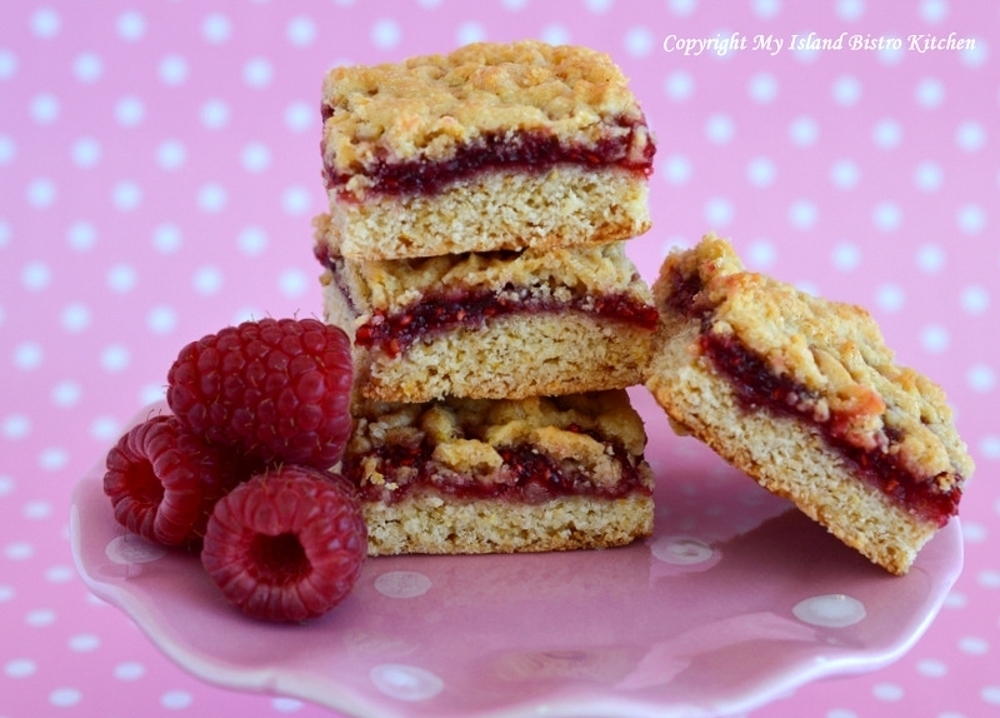
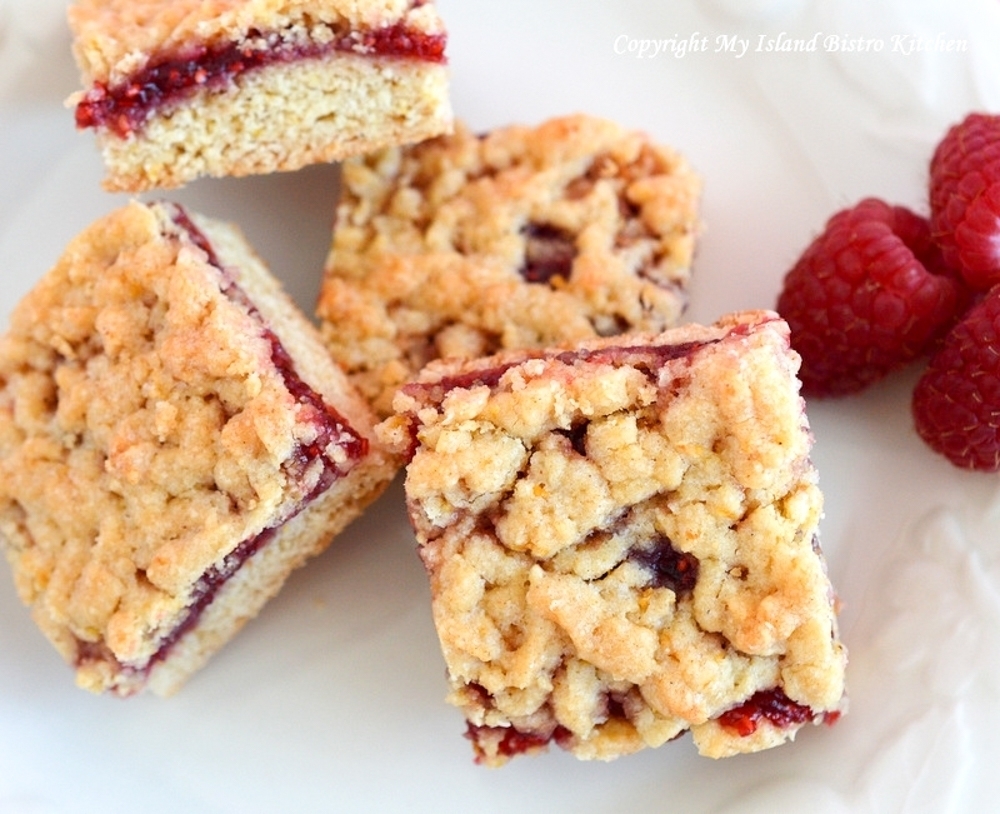
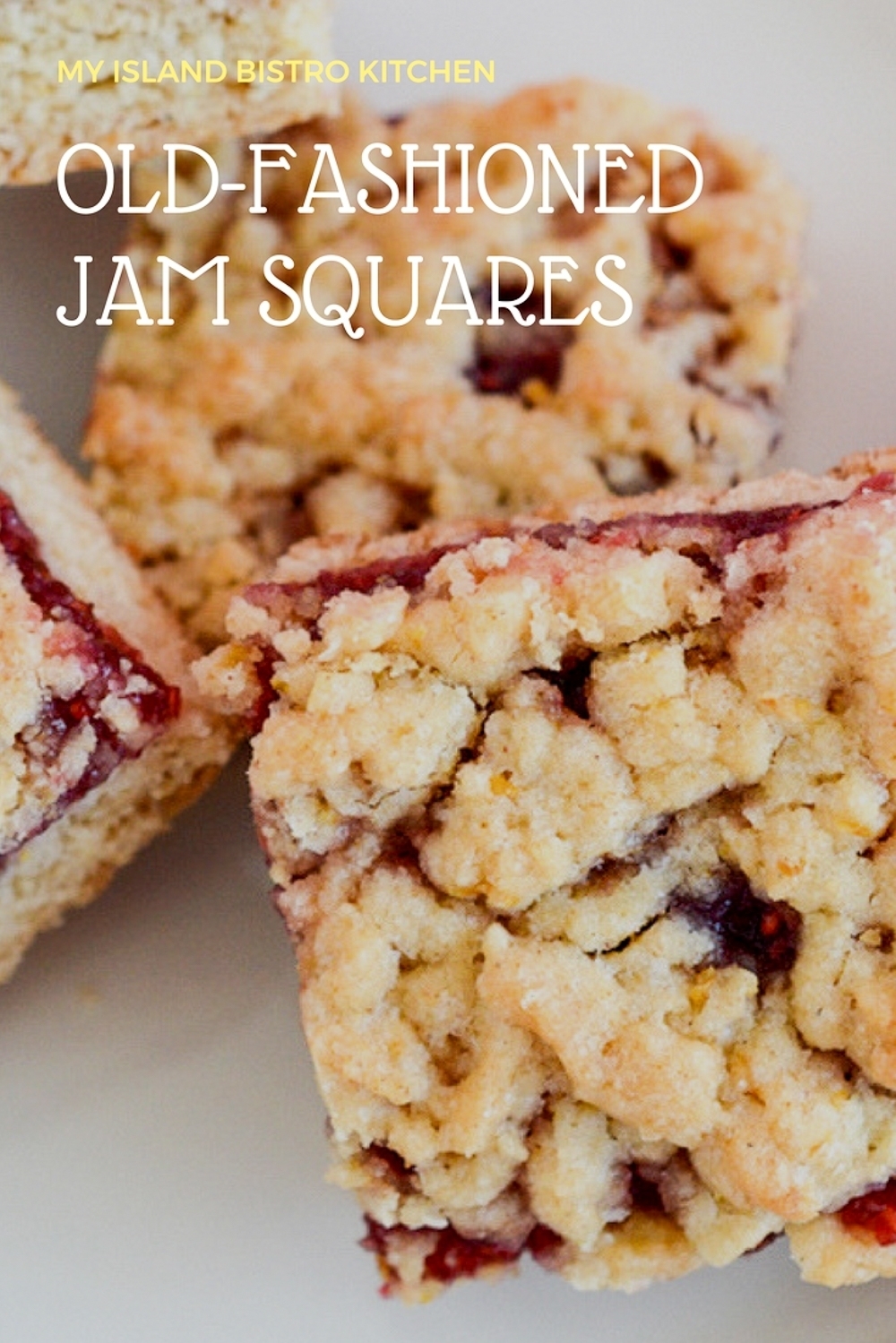
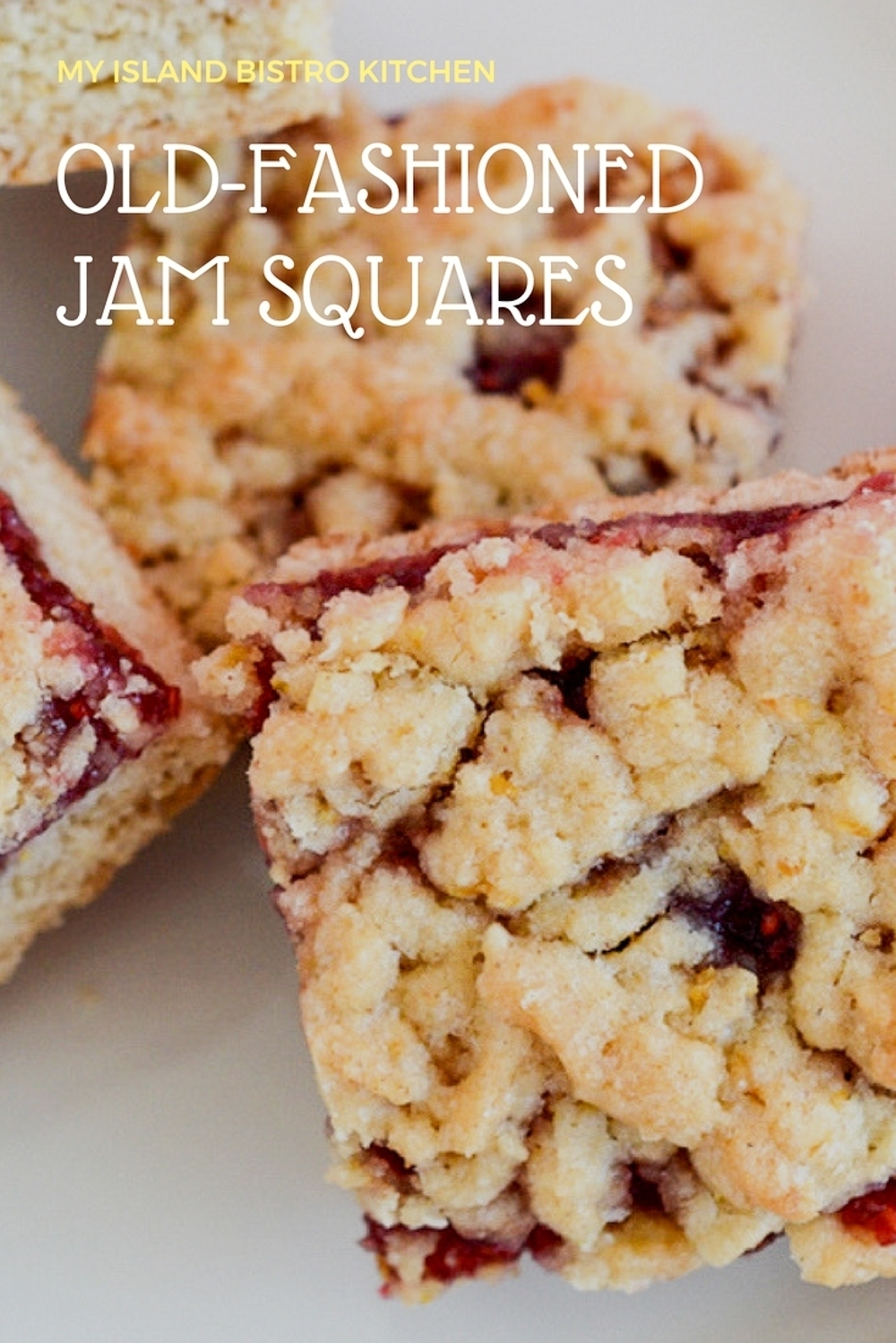
Jam Squares are an old-fashioned favourite that I grew up with. They are easy to make and only take common ingredients. While any kind of jam may be used, they are most showy when red jam, such as raspberry, is chosen. They are a treat at any time and look especially good on sweet trays for special events.
Jam Squares
[Printable Recipe follows at end of posting]
Old-Fashioned Jam Squares
Ingredients:
1/3 cup butter
1 egg
1 tsp vanilla
½ tsp almond flavoring
½ cup white sugar
1 cup + 2 tbsp all-purpose flour
1 tsp baking powder
¼ tsp salt
¼ tsp cinnamon
⅛ tsp cardamom
Finely grated rind of 1 lemon
½ cup raspberry jam
Method:
Preheat oven to 350°.
Assemble ingredients.
Prepare 8”x8” pan by lining with parchment paper.
With electric mixer, beat butter well in medium-sized bowl. Beat in egg, vanilla, and almond flavouring.
Sift sugar, flour, baking powder, salt, cinnamon, and cardamom together. Stir in grated lemon rind. Add to butter-egg mixture and blend thoroughly.
Shape dough into a small oblong shape. Cut off about one-third of the dough and place in freezer for 15 minutes.
Meanwhile, press remaining dough into prepared pan. Place pan in freezer for 15 minutes.
Remove both the reserved dough and the pan from the freezer. Evenly spread the ½ cup raspberry preserves over dough in pan.
Using a grater, grate the reserved dough evenly over the jam.
Bake for 35 minutes or until topping on square is lightly golden in color.
Let square cool completely in pan before removing and cutting into 16 squares.
Jam Squares take only common ingredients. While any kind of jam may be used, they are most showy when red jam is chosen.
Course
Snack
Cuisine
Canadian
Keyword
jam, jam square, squares
My Island Bistro KitchenBarbara99
Ingredients
1/3cupbutter
1egg
1tspvanilla
½tspalmond flavoring
½cupwhite sugar
1cup+ 2 tbsp all-purpose flour
1tspbaking powder
¼tspsalt
¼tspcinnamon
⅛tspcardamom
Finely grated rind of 1 lemon
½cupraspberry jam
Instructions
Preheat oven to 350°.
Assemble ingredients.
Prepare 8”x8” pan by lining with parchment paper.
With electric mixer, beat butter well in medium-sized bowl. Beat in egg, vanilla, and almond flavouring.
Sift sugar, flour, baking powder, salt, cinnamon, and cardamom together. Stir in grated lemon rind. Add to butter-egg mixture and blend thoroughly.
Shape dough into a small oblong shape. Cut off about one-third of the dough and place in freezer for 15 minutes.
Meanwhile, press remaining dough into prepared pan. Place pan in freezer for 15 minutes.
Remove both the reserved dough and the pan from the freezer. Evenly spread the ½ cup raspberry preserves over dough in pan.
Using a grater, grate the reserved dough evenly over the jam.
Bake for 35 minutes or until topping on square is lightly golden in color.
Let square cool completely in pan before removing and cutting into 16 squares.
Recipe Notes
Copyright My Island Bistro Kitchen
If you have made this recipe and enjoyed it and/or wish to share it with your friends and family, please do so on social media but be sure to share the direct link to this posting from my website.
Connect with My Island Bistro Kitchen on Social Media
This posting contains my recipe for a delicious Gluten free Light Fruitcake.
This cake is so tasty that it’s hard to tell it is actually gluten free! The flours I use in this recipe are the one-to-one gluten free flour along with almond flour and coconut flour that add lovely flavour and texture to the cake batter. Continue reading Gluten Free Light Fruitcake Recipe→
Beef stock and beef broth are terms often used interchangeably. However, there is actually a difference between the two. True beef stock is made principally with bones and water and little to no seasoning. It typically simmers for hours on the stove. Beef stock is nutrient dense, protein rich, and a good source of minerals and gelatin. Traditional beef broth, on the other hand, is usually made mainly with meat (though some bones may be included) and it often has additional flavorings (from vegetables, herbs, and spices) added to it. Beef broth typically simmers for less time than a true beef stock and is, therefore, a lighter product. Continue reading Homemade Beef Stock Recipe and Tips (or is it Beef Broth?)→
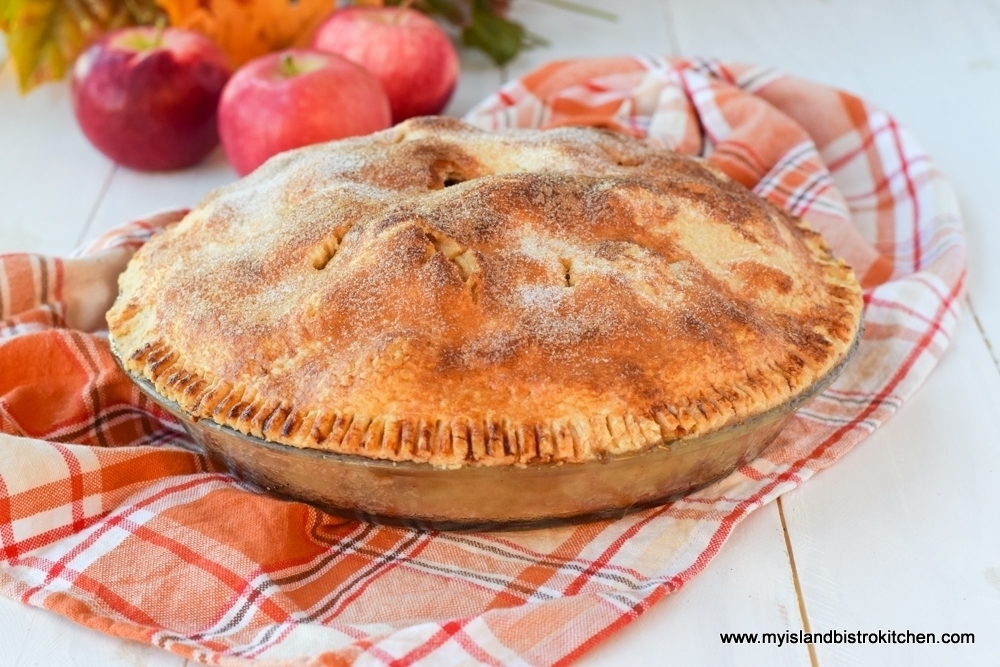
There is something warm, inviting, and nostalgic about walking into a kitchen to the tantalizing scent of an apple pie baking. In my opinion, one of the best desserts is homemade apple pie, especially when topped with a nice round scoop of high-quality vanilla ice cream! Fall is a great time to make apple pies (and some extras for the freezer) because the apples are so fresh and there is a great selection. The house smells so divine while the apple pie bakes! Continue reading Rustic Apple Pie→
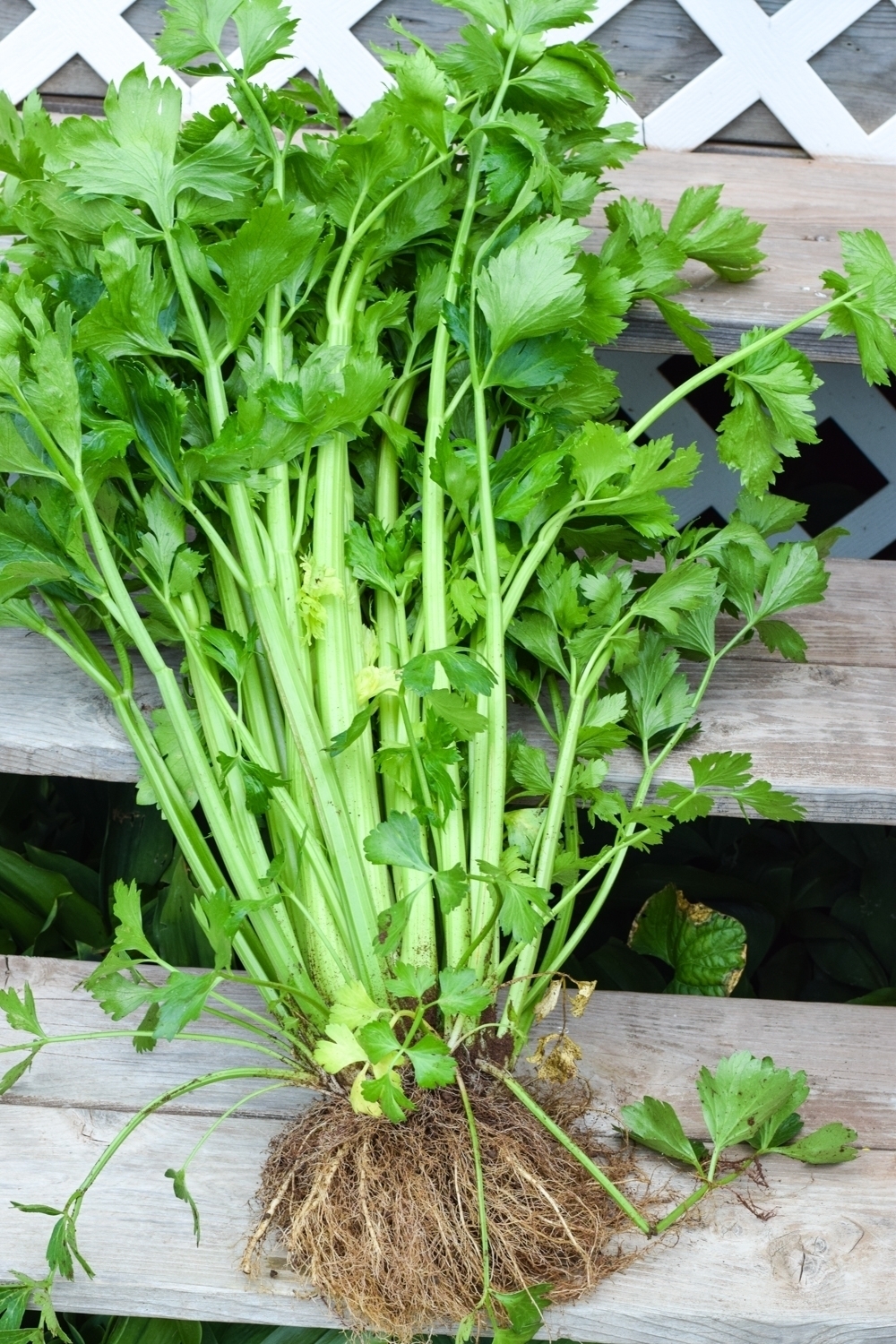
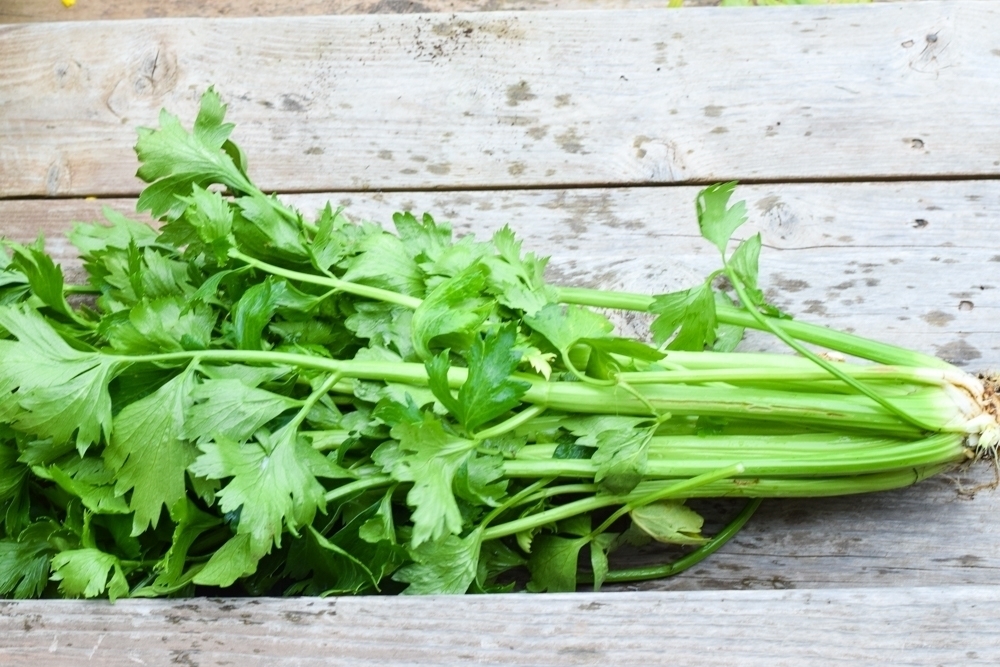
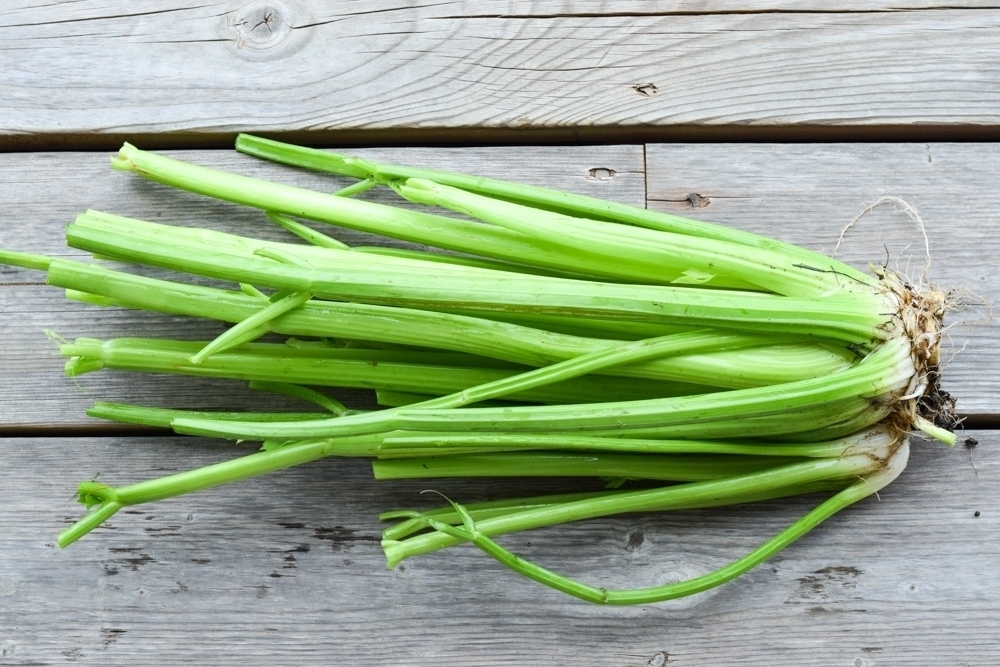
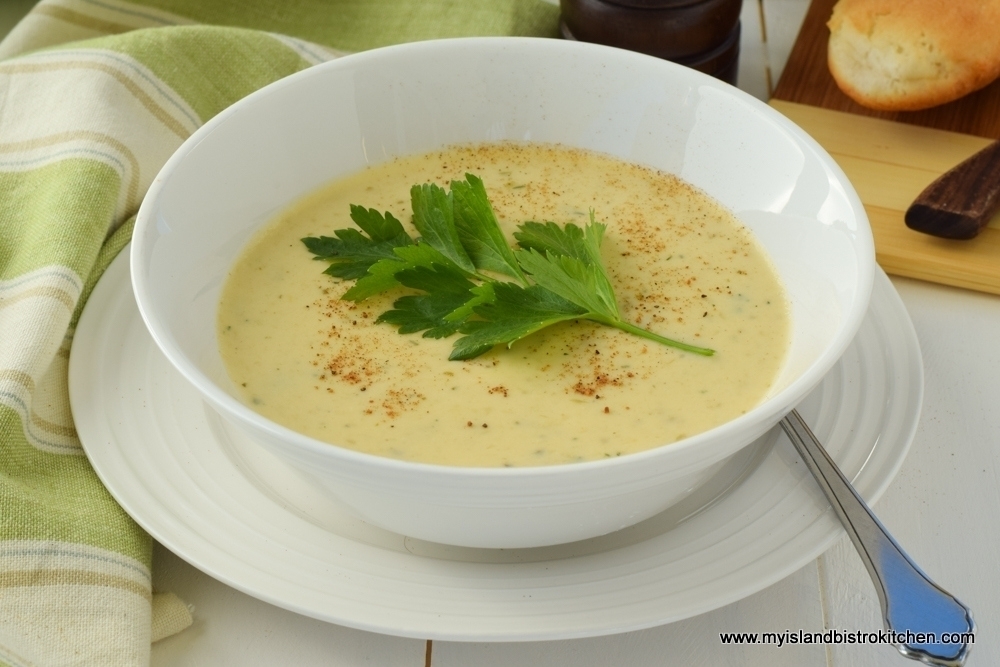
Every year we try to grow two or three new vegetables in our garden. Here, on PEI, we have a very short growing season and so, whatever we grow, must be suitable to that climate. One day, in late June, I was at John’s Greenhouses in Summerside and they had trays of very healthy looking celery starter plants. On a lark, I bought a tray of six plants and transplanted them. Never, in my wildest imagination, could I have contemplated how well they would grow! With leaves on stalks intact, they grew to be 30″ tall. The celery had a nice crisp bite to it but, seriously, how much celery could we eat raw?
CeleryCeleryCelery
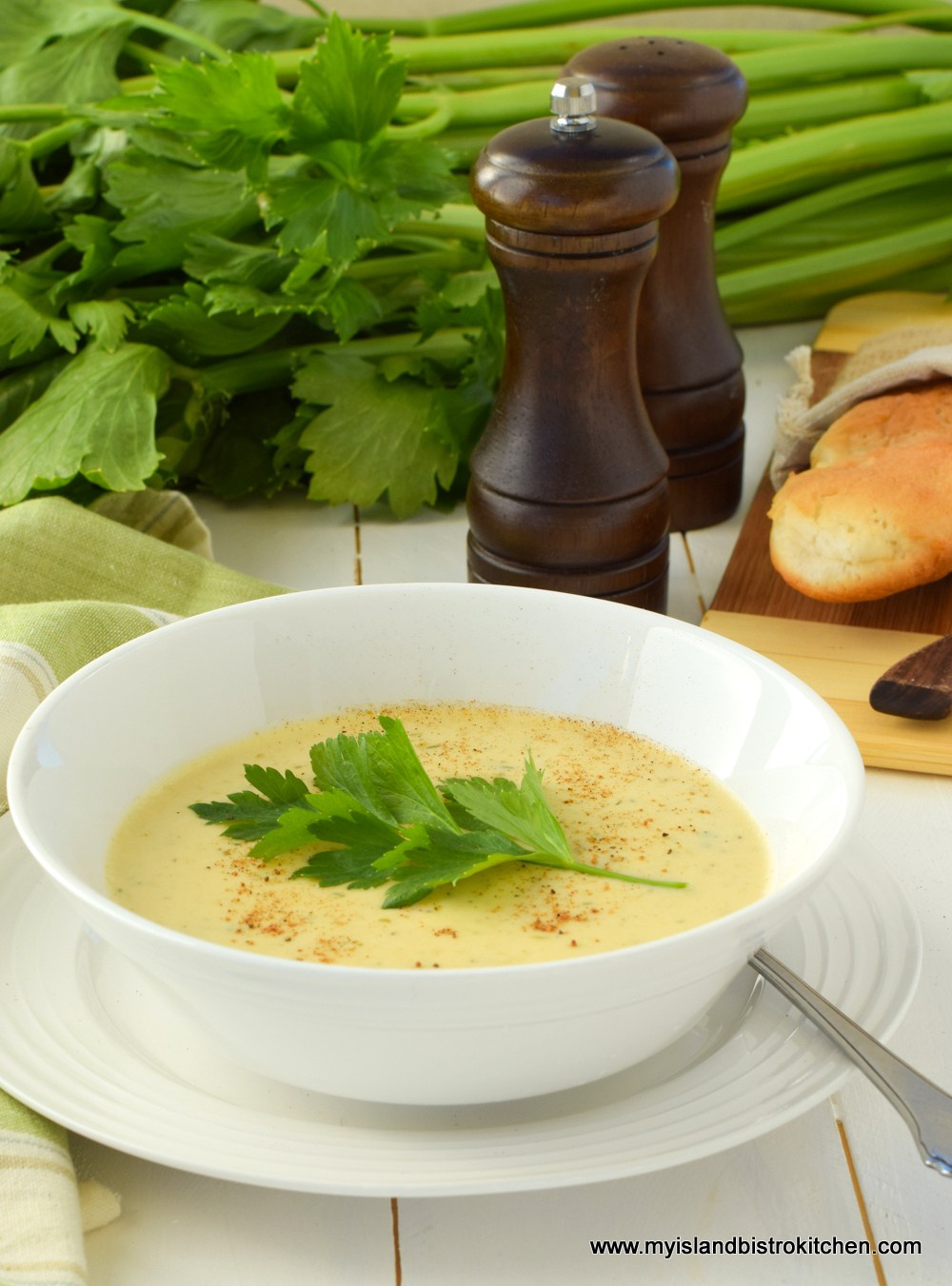
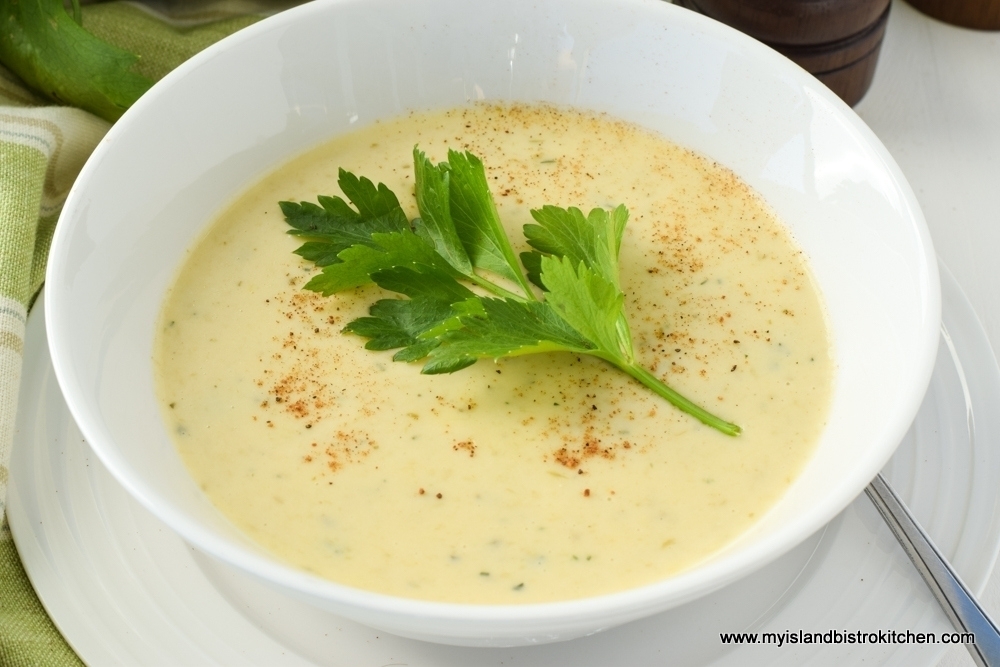
I began thinking about what I could do with the celery and how I could process it into something else. Thus was born my recipe for Cream of Celery Soup which has now elevated itself to one of my favorite cream-based soups.
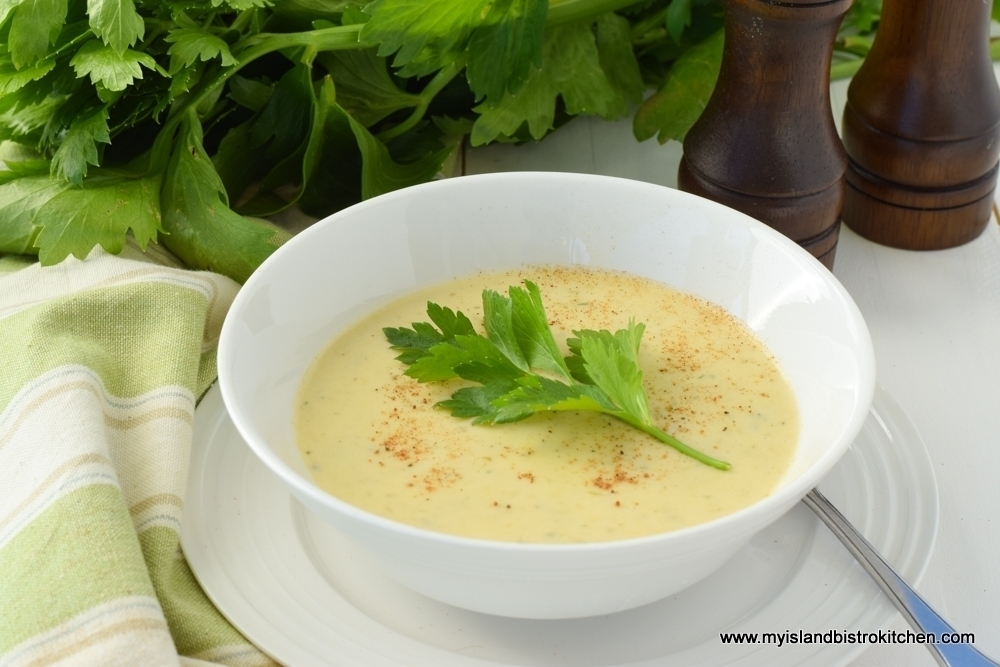
Cream of Celery Soup
I have made and tested this recipe several times (well, you know, we did have a lot of celery in the garden!), adjusting the ingredient amounts and perfecting the method. This process results in me publishing a recipe for a tasty soup I am delighted with. It also enables me to share my lessons learned and tips for successfully making this soup.
Ingredients
Use the freshest celery you can find for this recipe. Chop it finely because celery takes a long time to soften during cooking – the smaller the pieces, the faster it will cook. I use both onions and leeks in this recipe as they each contribute their own unique flavor to the soup. They may come from the same family but their unique flavour qualities add levels of complexity and depth to the celery soup. Always use freshly minced garlic in this recipe – it will have more flavour than a bottled version. Either chicken or vegetable stock may be used as a base in this soup. I typically use chicken stock.
To get that silky smooth texture for which great cream soups are known, use a combination of whole milk and cream (18% MF). Fat-reduced and skim milks do not do well in this soup. This soup can be made entirely with whole milk but using cream for a portion of the dairy content in the soup will yield a richer and smoother soup. Also, this soup will freeze well if whole milk and cream are used. In fact, I make this soup as part of my batch-cooking menu and freeze it in individual portions. It’s great for work lunches.
I add shredded cheddar cheese to this soup. Celery and cheese have long been great partners so why not pair them in a soup. I also add a couple of tablespoons of grated Parmesan cheese to the soup as well.
I love my herb garden and make good use of it. It’s important to choose herbs for this soup that will pair well with the other ingredients. I have chosen dill, parsley, and either rosemary or thyme. Only add these to the late stage reheating of the soup, after it has been puréed, and the milk and cream added. Softer stemmed herbs such as dill and parsley tend to wilt and become discolored if they are overcooked. While the more woody rosemary or thyme can withstand a bit more heat, I tend to add them all at the same time, near the end of the cooking process. The amount of seasoning is always a personal preference. My strategy in herb usage is that they should enhance, not overpower, the dish. I recommend using the amounts I have indicated in the recipe the first time you make the soup – the herb quantities indicated are considered modest amounts. Then, the next time you make the soup, adjust the quantities of the herbs according to your personal preference.
Method
Celery takes a long time to soften during cooking. Melt the butter in the saucepan and give the celery the benefit of a head start of about 5 minutes cooking before adding the onions, leeks, potato, and garlic. Cook the vegetables until they are softened – about 15 minutes. Then, add the thickener (regular or gluten-free flour) followed by the liquid stock (chicken or vegetable) and continue to cook the mixture for 30-35 minutes. The goal is to ensure the vegetables are thoroughly cooked and softened and that time has been allotted for the flavors to blend.
The mixture needs to be puréed until smooth, either in a blender or food processor or, alternatively, via an immersion blender. I typically use the blender for this and I let the soup cool for about 30-40 minutes or so before putting the hot mixture into the jar of the blender. I have learned the importance of blending part of the mixture first and then adding the remainder of the mixture while continuing to purée it as, otherwise, it is very difficult to get a smooth soup. Because celery has a “stringy” component to it and because, sometimes, no matter how much blending, there can always be little bits of the vegetables that have not puréed completely smooth, I recommend straining the puréed mixture through a medium mesh wire sieve into a clean stockpot to get rid of any unpuréed residue. This will result in a smoother textured soup.
Once the puréed mixture is transferred to a clean stock pot and the milk/cream blended in and heated, the cheeses and fresh herbs can be added.
Never boil a cream soup; instead, gently heat it just until the cheeses have melted.
Serving
This soup should be served hot. It can be garnished with croutons, slivered almonds, croutons, fresh herbs, or a sprig of celery leaves. Serve it in small quantities as a starter to a meal or in larger bowls as a tasty lunch or light supper. The soup is great served with homemade biscuits, rolls, or bread.
Making this cream-based soup is a great way to make use of fresh celery.
[Printable recipe follows at end of posting]
Cream of Celery Soup
Homemade Cream of Celery Soup
Ingredients:
¼ cup + 1 tbsp butter
8 oz celery, chopped fine (apx 2 cups)
2½ oz leek (white and green parts only), sliced thin (apx. 1 cup)
2 oz onion, finely chopped (apx. ½ cup)
4 oz potato, peeled and diced
3 cloves of garlic, minced
1/3 cup flour (to make it gluten-free, use 1/3 cup of 1-to-1 gluten-free flour)
2 cups warm chicken stock
2/3 cup whole milk
2/3 cup 18% cream
Salt and pepper, to taste
Celery leaf, croutons, or slivered almonds for garnish (optional)
Sprinkle of nutmeg for garnish (optional)
Method:
Melt butter in saucepan over medium heat. Add the celery and cook for 5 minutes, stirring frequently. Reduce heat to just below medium and add the leek, onion, potato, and garlic. Cook until vegetables are soft, about 15 minutes, stirring often.
Sprinkle flour onto vegetables and stir for approximately 1 minute. Add chicken stock. Cover. Bring to a boil. Add the bay leaf. Cover and reduce heat to simmer and cook for 30-35 minutes, stirring frequently to prevent scorching. Cool for 30-40 minutes. Remove bay leaf. Transfer mixture to blender or food processor, starting with a good half of the mixture, puréeing, and then adding in the remainder and continuing to purée until smooth. Strain puréed mixture through medium mesh wire sieve, into clean stock pot, to remove any bits of ingredients that have not completely puréed.
Add milk, cream, salt, and pepper to the mixture. Heat over medium heat. Do not boil. Add the grated cheddar and parmesan cheeses along with the fresh herbs. Stir until cheese melts. Ladle into soup bowls and garnish with a sprig of celery leaf, croutons, or slivered almonds and a sprinkle of nutmeg.
Yield: 5 cups, approximately 4-5 servings (1 to 1¼ cup/serving)
Delicious homemade Cream of Celery Soup with layers of flavor. Perfect as a starter to a meal or for a light lunch or supper.
Ingredients
¼ cup + 1 tbsp butter
8 oz celery, chopped fine (apx 2 cups)
2½ oz leek (white and green parts only), sliced thin (apx. 1 cup)
2 oz onion, finely chopped (apx. ½ cup)
4 oz potato, peeled and diced
3 cloves of garlic, minced
1/3 cup flour (to make it gluten-free, use 1/3 cup of 1-to-1 gluten-free flour)
2 cups warm chicken stock
2/3 cup whole milk
2/3 cup 18% cream
Salt and pepper, to taste
1 cup grated cheddar cheese
2 tbsp finely grated Parmesan cheese
¾ tsp fresh dill, minced
1 tsp fresh parsley, finely chopped
¼ tsp thyme or rosemary, finely chopped
Celery leaf, croutons, or slivered almonds for garnish (optional)
Sprinkle of nutmeg for garnish (optional)
Instructions
Melt butter in saucepan over medium heat. Add the celery and cook for 5 minutes, stirring frequently. Reduce heat to just below medium and add the leek, onion, potato, and garlic. Cook until vegetables are soft, about 15 minutes, stirring often.
Sprinkle flour onto vegetables and stir for approximately 1 minute. Add chicken stock. Cover. Bring to a boil. Add the bay leaf. Cover and reduce heat to simmer and cook for 30-35 minutes, stirring frequently to prevent scorching. Cool for 30-40 minutes. Remove bay leaf. Transfer mixture to blender or food processor, starting with a good half of the mixture, puréeing, and then adding in the remainder and continuing to purée until smooth. Strain puréed mixture through medium mesh wire sieve, into clean stock pot, to remove any bits of ingredients that have not completely puréed.
Add milk, cream, salt, and pepper to the mixture. Heat over medium heat. Do not boil. Add the grated cheddar and parmesan cheeses along with the fresh herbs. Stir until cheese melts. Ladle into soup bowls and garnish with a sprig of celery leaf, croutons, or slivered almonds and a sprinkle of nutmeg.
If you have made this recipe and enjoyed it and/or wish to share it with your friends and family, please do so on social media but be sure to share the direct link to this posting from my website.
Connect with My Island Bistro Kitchen on Social Media
I love my herb garden and being able to snip fresh herbs whenever I need them. I miss them in the winter. One way that I preserve some of my summer herbs for use throughout the rest of the year is to freeze them in olive oil in ice cube trays making what I call “Herb Cubes“. Continue reading Herb Cubes – A Way to Preserve Herbs for Winter Use→
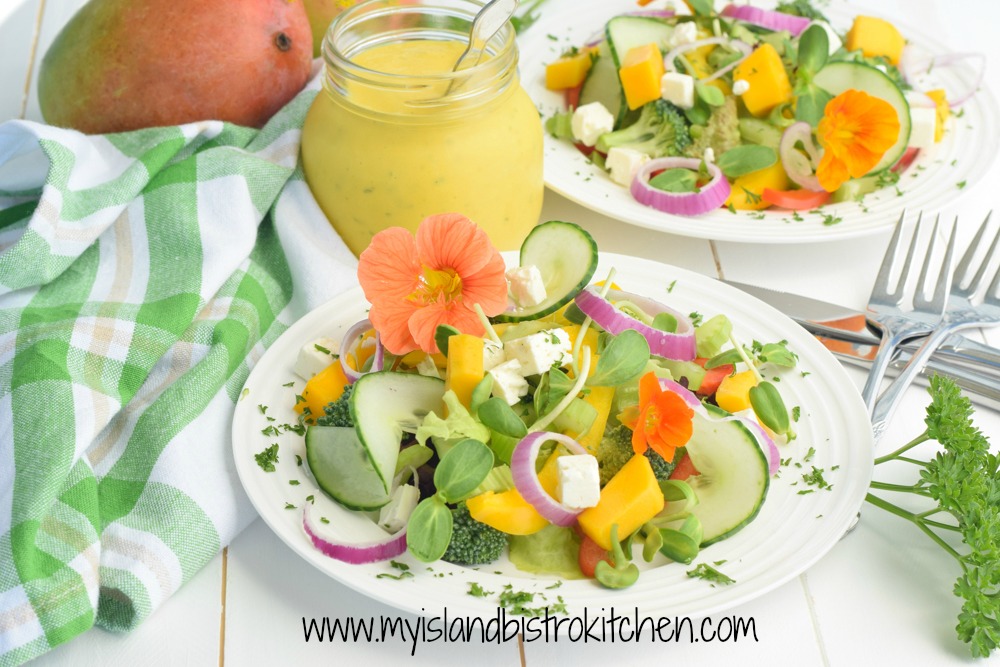
Salads are a big part of our diet, especially in the summer and early fall when we eat from our garden and, this year, my go-to recipe has been this delicious Mango Salad Dressing which, I must admit, I eat like candy! It is lusciously smooth, bright colored, and has a lovely flavor that complements many different kinds of salads. Continue reading Mango Salad Dressing Recipe→
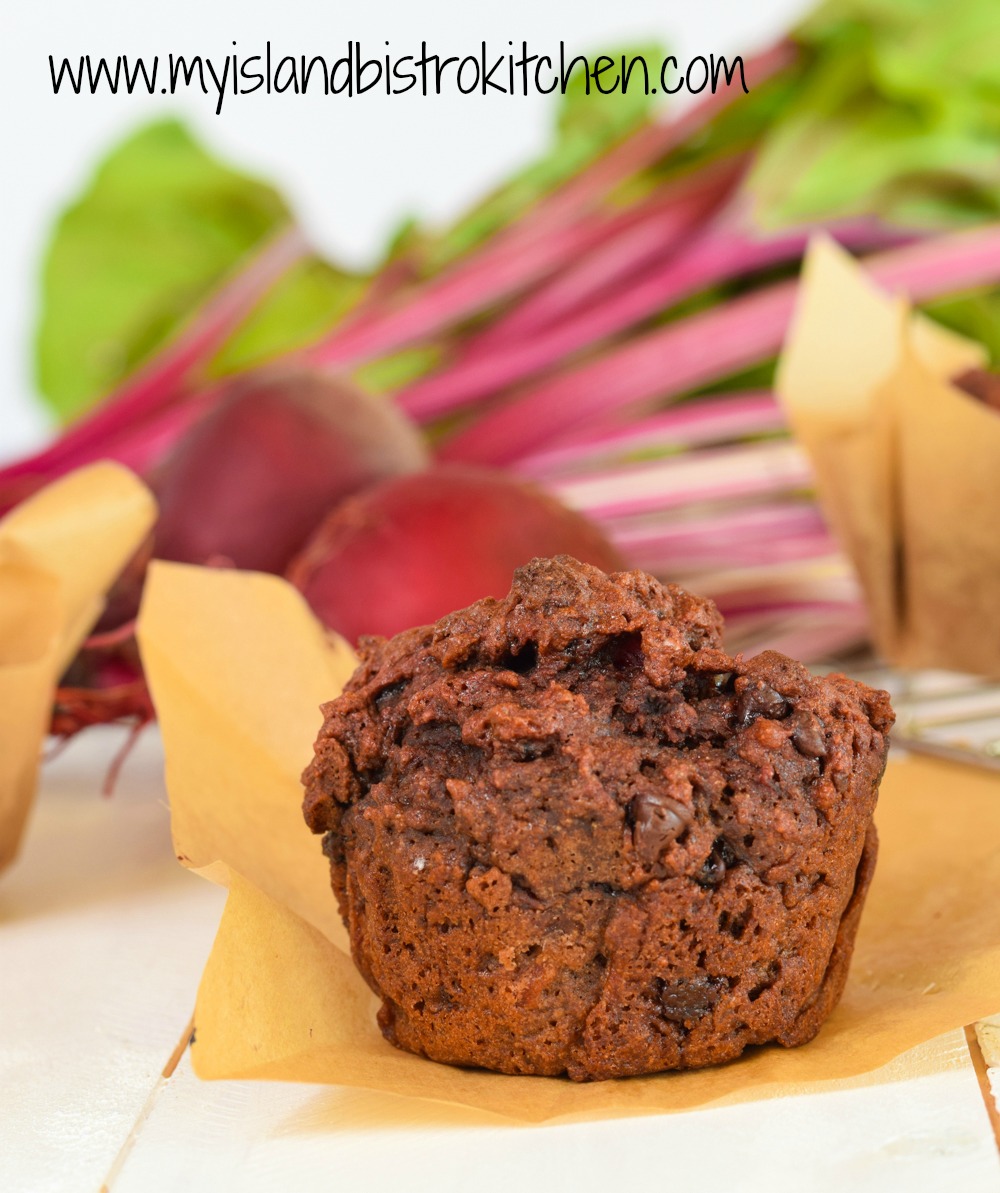
We have all heard of carrot muffins and don’t think twice about including the carrot vegetable into baked goods. What is less commonly heard of is the use of beets for the same purpose. Today, I am sharing my newly-created and tested recipe for Deli-style Gluten-free Beet Muffins which are moist and packed full of wonderful flavor. This is definitely in the category of “don’t knock it till you’ve tried it“! Continue reading Deli-style Gluten-Free Beet Muffins→
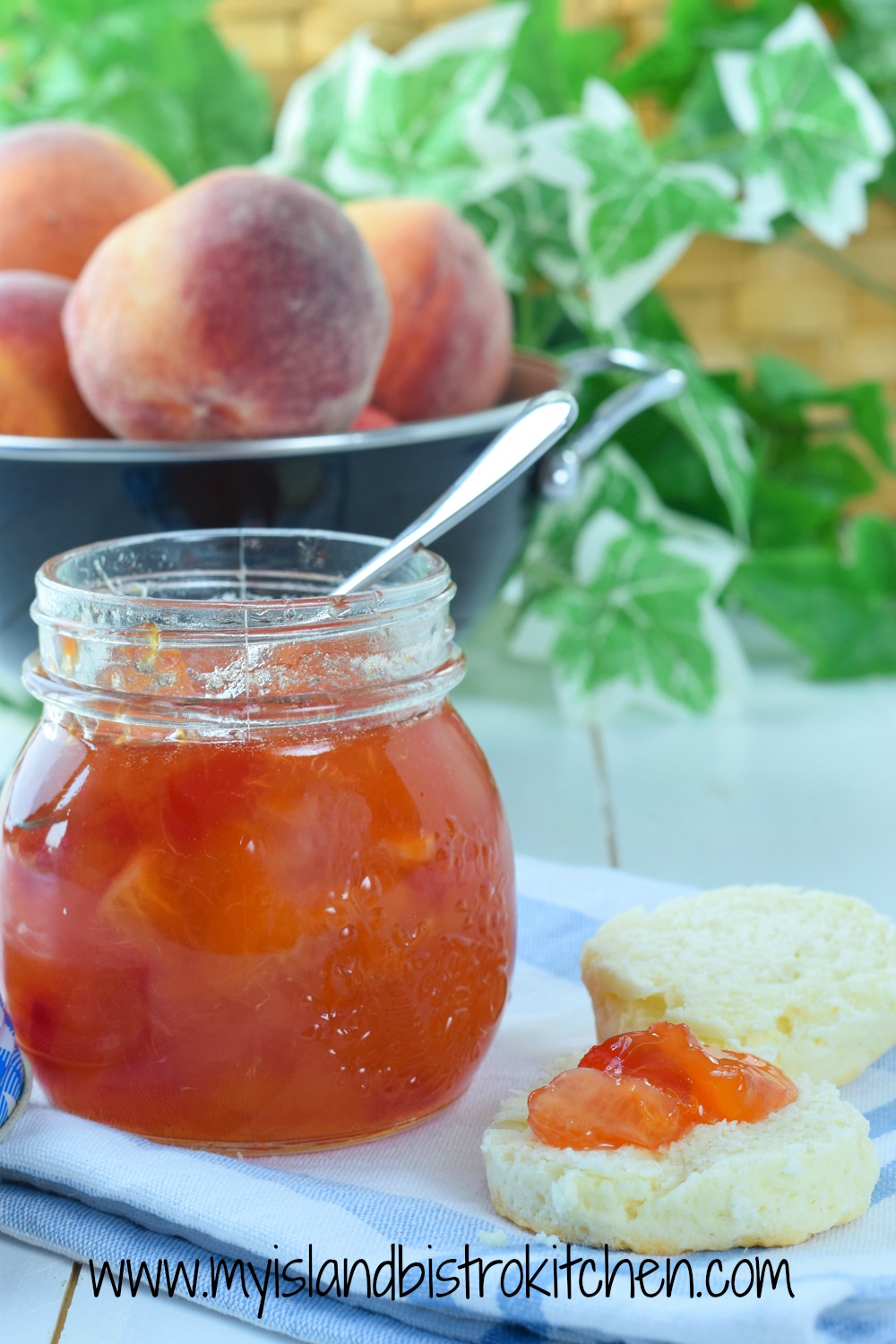
For as long as I can remember, Peach Marmalade has been part of our family’s pantry of preserves. Today, I am sharing my recipe for this delicious marmalade which is lovely on toast, biscuits, and scones. Continue reading Perfect Peach Marmalade Recipe→
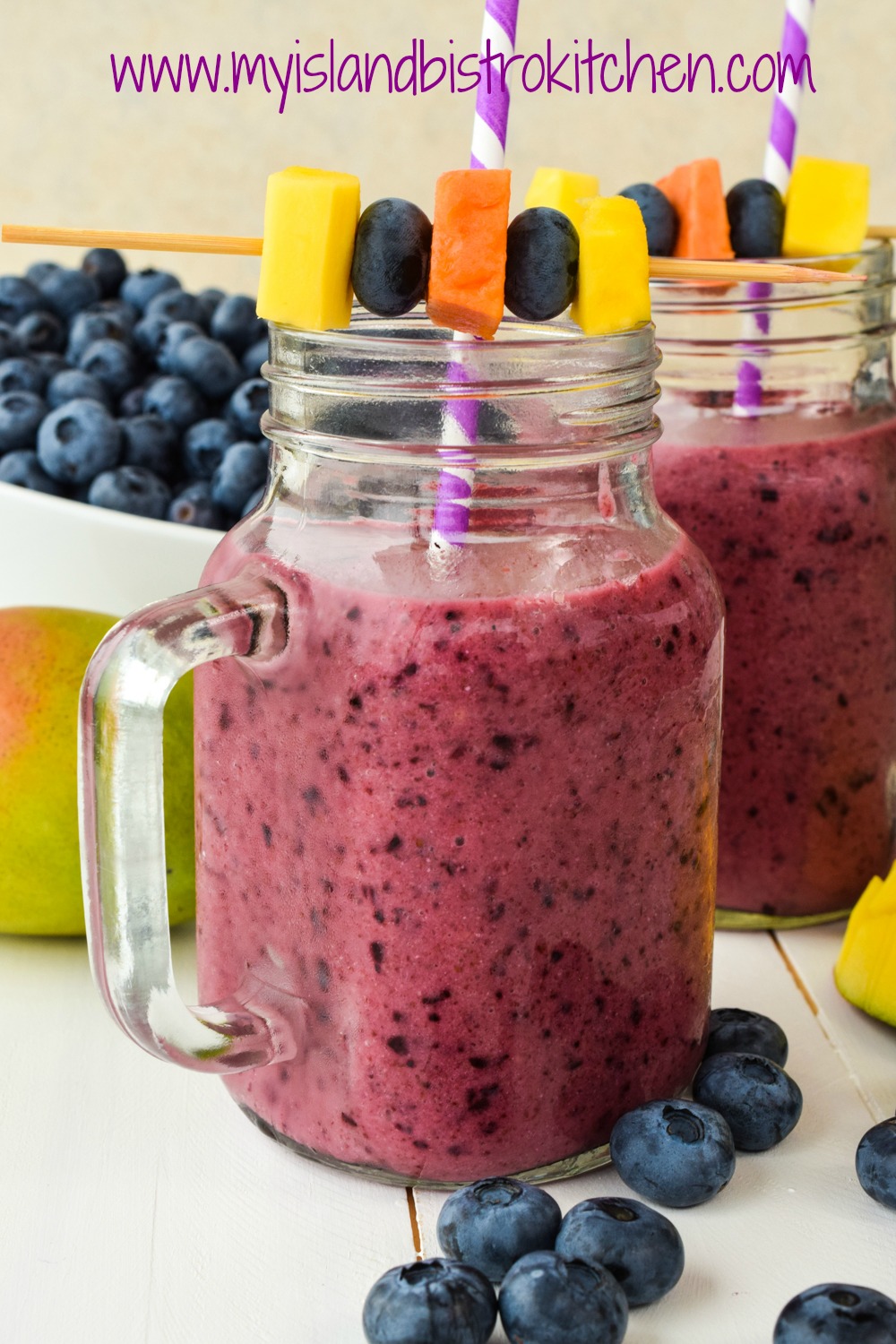
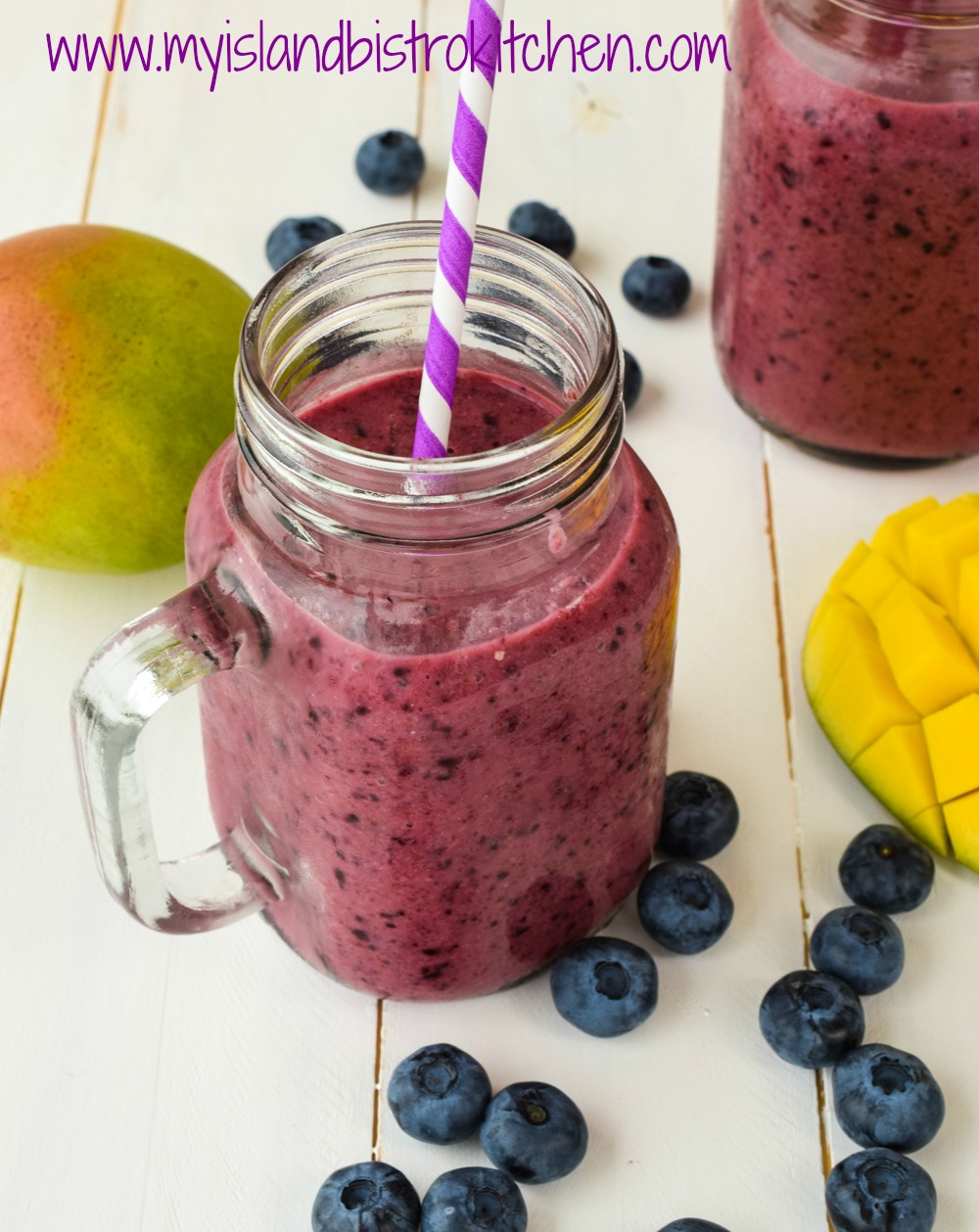
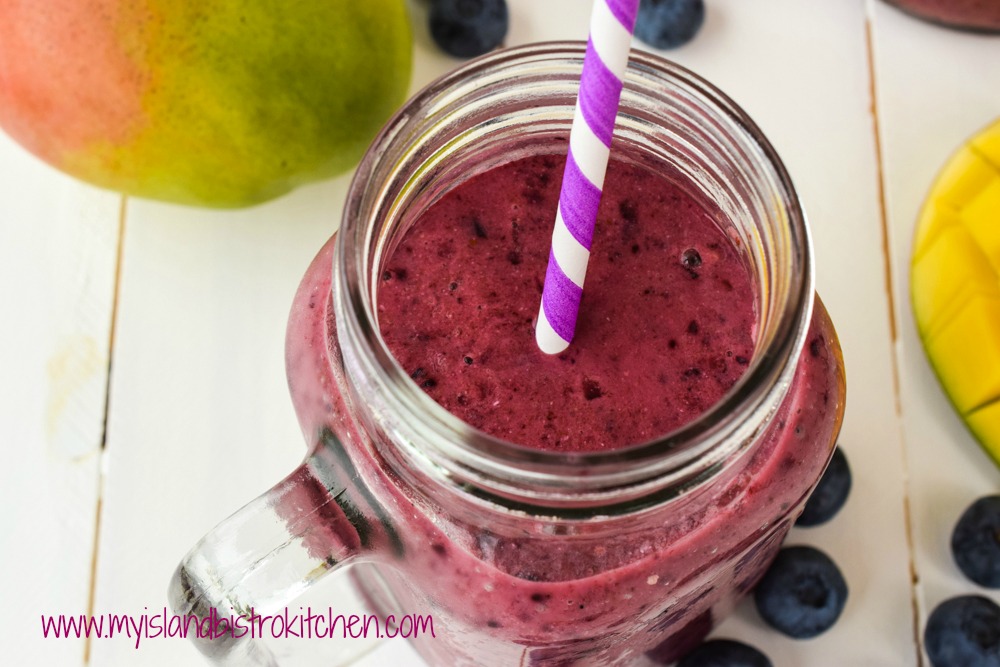
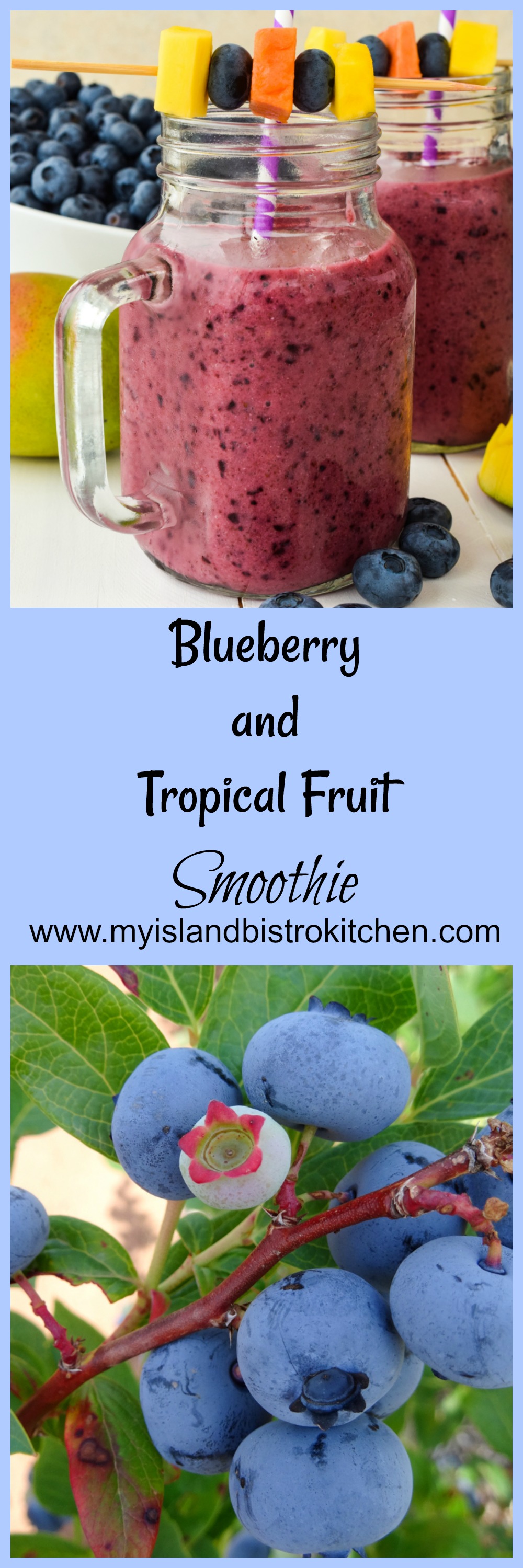
Smoothies are such a great and tasty way to eat fruit and yogurt, making them healthy choices. And, they are very filling. They are great for breakfast, summer barbeques, as a transportable breakfast-on-the-go, or just anytime as a nutritional drink.
Blueberry and Tropical Fruit Smoothie
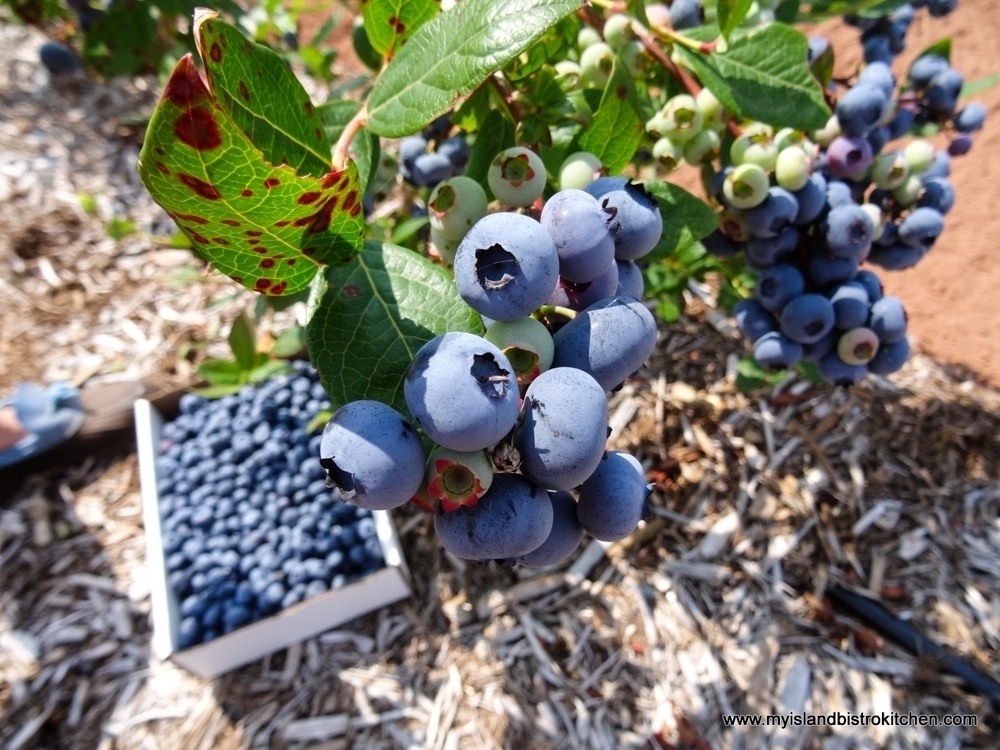
I am not far from Tryon Blueberries U-Pick, a high bush blueberry farm in central PEI and, when they are in season, I have a steady diet of these blueberries.
High Bush Blueberries
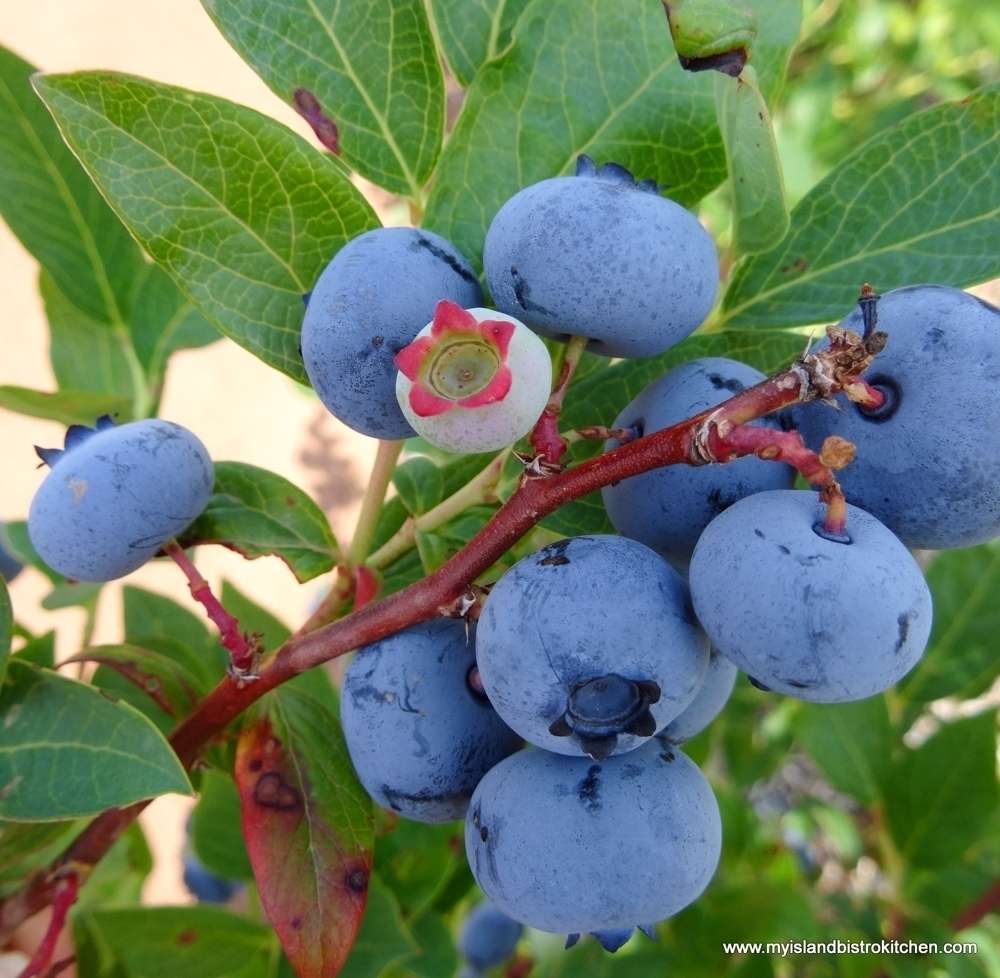
I freeze a quantity of them for use in smoothies throughout the year.
High Bush Blueberries
Basically, any fruit you like can be combined into a smoothie. For this recipe, I have chosen to feature the local blueberries but I also add in some other fruits that pair particularly well with blueberries. These include mango, papaya, and banana. The great thing about smoothies is that they can be made with fresh or frozen fruits. I often bag up fruits when they are in season locally and freeze them in just the right sized portions for smoothies. This makes it quick and easy to prepare the smoothies which is great because, as we all know, if something is overly laborious, well….it often just does not happen.
Blueberry and Tropical Fruit Smoothie
Smoothies are so easy to make. A blender or smoothie maker is needed for this recipe. Simply combine all the ingredients into the blender and process the mixture until desired smoothness is reached.
For sweetener, I use 2 tablespoons of pure maple syrup. This natural liquid sweetener blends better than sugar. Reduce the amount of maple syrup if you like a less sweet drink. I also add in about 1 1/2 tablespoons of ground chia seeds. Whole chia seeds may be used but the ground seeds make for a smoother drink and are a better alternative for those who can’t easily digest seeds. Chia is loaded with good health benefits like fibre, omega 3 fats, protein, vitamins, and minerals.
Blueberry and Tropical Fruit Smoothie
The yogurt I have used in this smoothie is a Mediterranean-style lavender yogurt. Lavender pairs very well with blueberries. Don’t be put off by this flavor thinking it will be like perfume. This yogurt is very gently flavored with lavender and it is not at all strong in either the lavender flavor or scent. It does, however, add a subtle layer of flavor to the smoothie. Plain Greek-style yogurt can, of course, be substituted but, if the lavender yogurt is available in your area, I recommend giving it a try.
Blueberry and Tropical Fruit Smoothie
Any kind of fruit juice can be used in this smoothie. I have made it with plain orange juice which is very good but it is super tasty if made with a mango-citrus blend of juice or a tropical fruit juice. If possible, I try to add juice that has the flavor of at least one or more of the fruits I am blending into the smoothie. I don’t add any ice cubes to this smoothie because I find they can dilute the flavor. Make sure the fruit juice is good and cold and the smoothie will be just the right temperature for drinking without adding any ice.
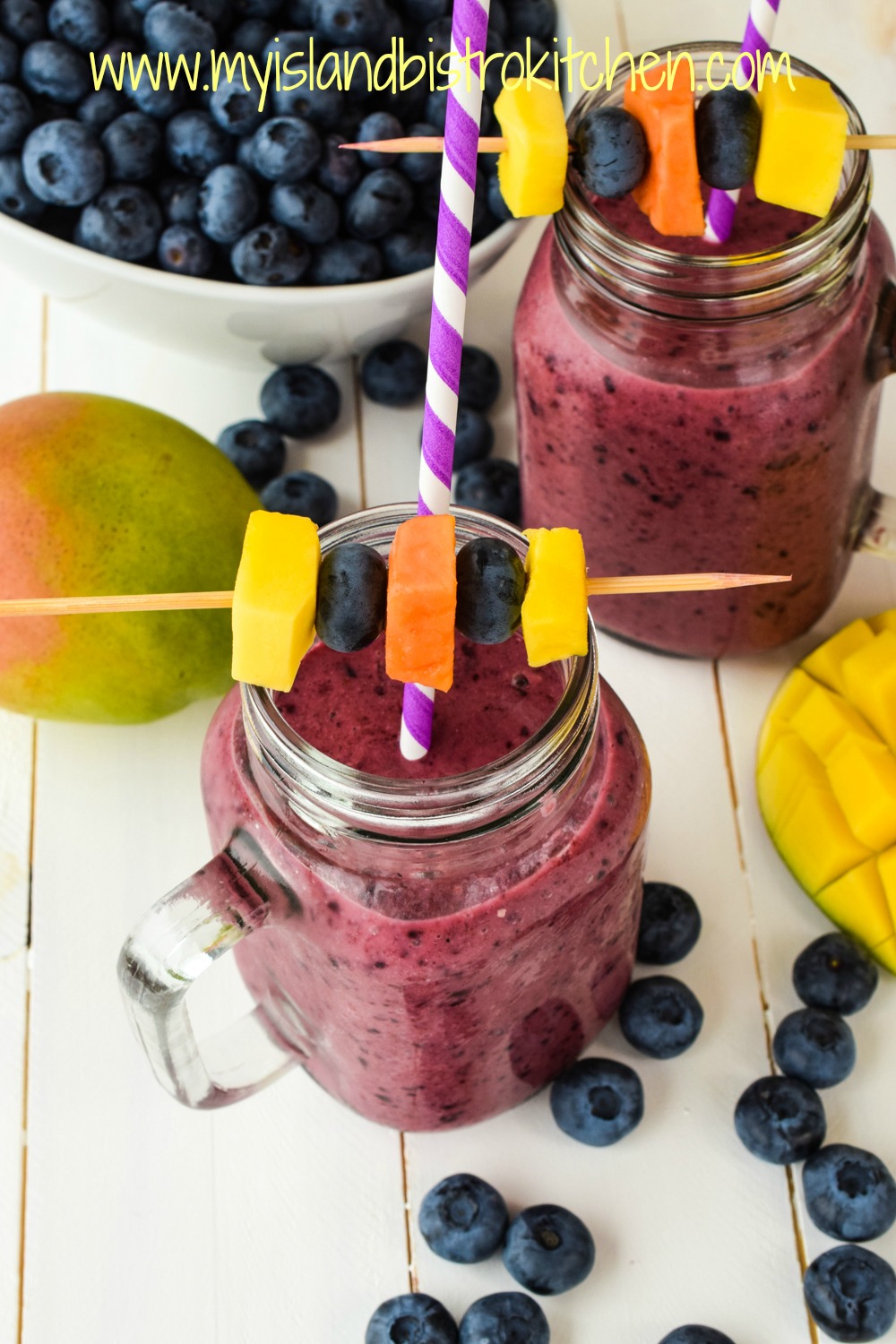
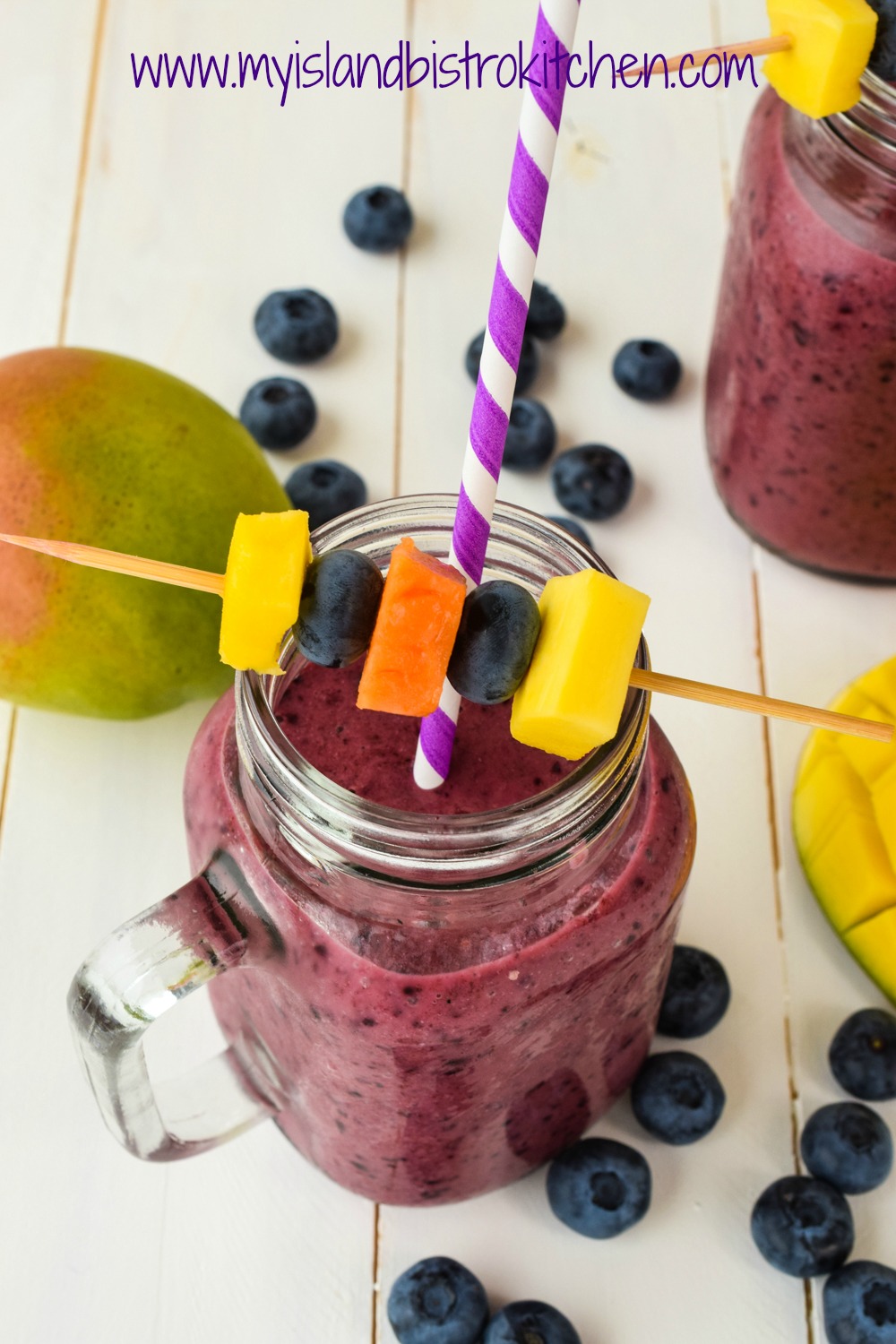
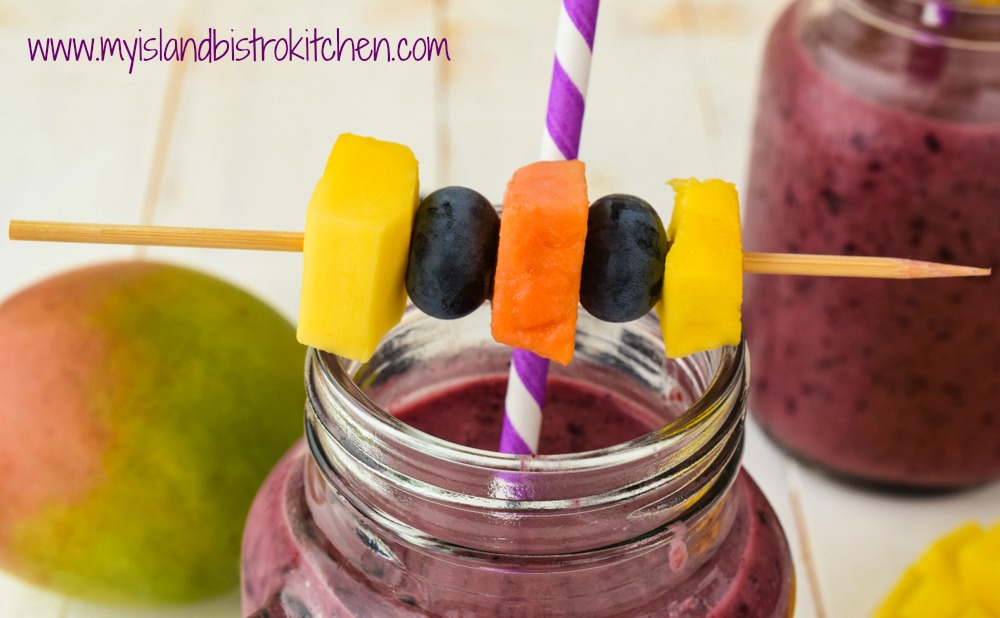
Garnishes are optional but they do dress up the smoothie. If using garnishes, choose fruits that are in the smoothie as I have done here with the blueberries, mango, and papaya.
Blueberry and Tropical Fruit Smoothie
This smoothie recipe will yield approximately 4 cups which is about two good servings or, for smaller portions, four 1-cup servings are possible. This really is a meal in a glass – it provides servings of fruit, yogurt, and liquid content. This smoothie is best served as soon as it is made because it has banana in it and it can produce quite a strong flavor if left to sit and it can take over and become the predominant flavor in the drink.
[Printable recipe follows at end of posting]
Blueberry and Tropical Fruit Smoothie
Ingredients:
1 2/3 cups fruit juice (e.g., mango-citrus, orange juice, etc.)
1½ cups high bush blueberries (fresh or frozen)
½ cup mango, coarsely chopped (fresh or frozen)
½ cup papaya, coarsely chopped (fresh or frozen)
½ large banana, sliced
½ cup Mediterranean-style lavender yogurt (or plain Greek-style yogurt)
2 tbsp maple syrup
1½ tbsp ground chia seeds
Method:
Combine all ingredients, in order given, in blender and process until well blended and smooth. Pour into glasses. Garnish with skewer of fresh blueberries, mango, and papaya. Serve immediately.
Kickstart your day with this super tasty blueberry and tropical fruit smoothie made with lavender yogurt and mango-citrus fruit juice
Ingredients
1 2/3 cups fruit juice (e.g., mango-citrus, orange juice, etc.)
1½ cups high bush blueberries (fresh or frozen)
½ cup mango, coarsely chopped (fresh or frozen)
½ cup papaya, coarsely chopped (fresh or frozen)
½ large banana, sliced
½ cup Mediterranean-style lavender yogurt (or plain Greek-style yogurt)
2 tbsp maple syrup
1½ tbsp ground chia seeds
Instructions
Combine all ingredients, in order given, in blender and process until well blended and smooth. Pour into glasses. Garnish with skewer of fresh blueberries, mango, and papaya. Serve immediately.
For another refreshing blueberry drink, try thisrecipefor Blueberry Lemonade
If you have made this recipe and enjoyed it and/or wish to share it with your friends and family, please do so on social media but be sure to share the direct link to this posting from my website.
Connect with My Island Bistro Kitchen on Social Media
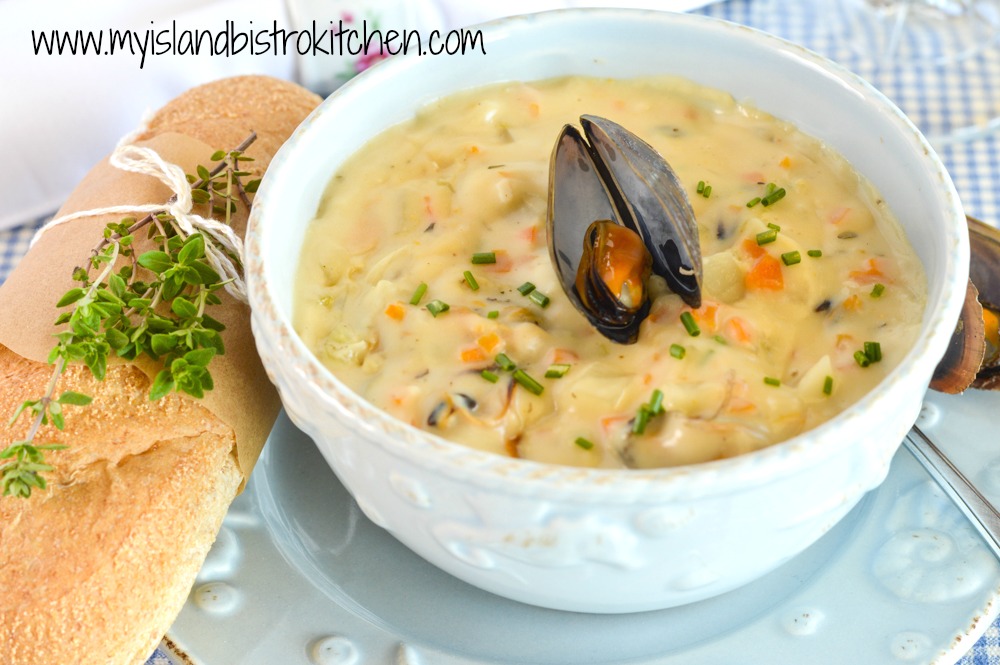
Mussels are a favorite shellfish of mine and, while I love them steamed in various different broths, today I am presenting them in the form of Mussel Chowder and I’m sharing my own personal recipe. Continue reading My Island Bistro Kitchen’s PEI Mussel Chowder→
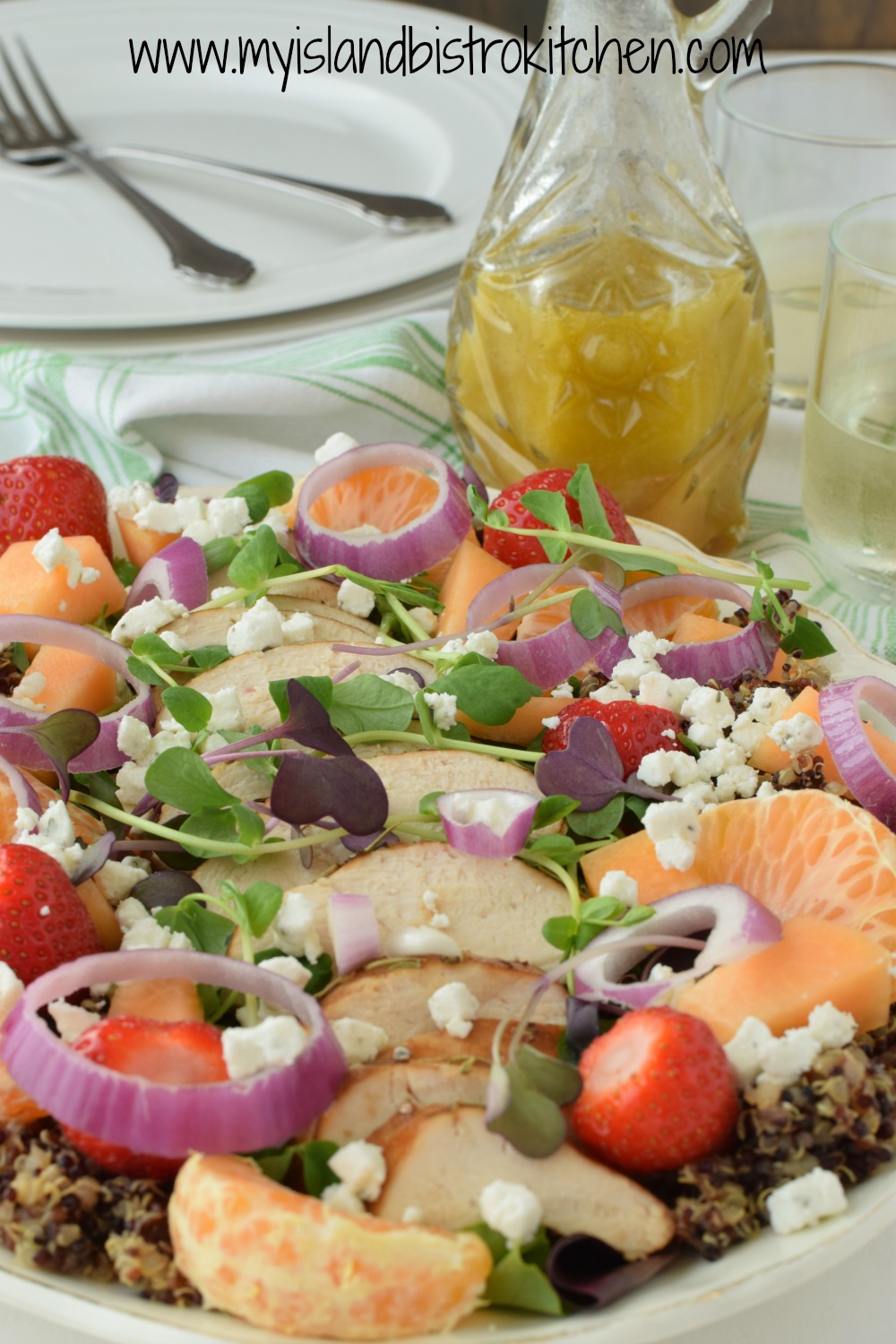
Chicken and Quinoa Salad with Star Anise and Orange Vinaigrette
We grow a garden and live out of it in the summer. Lots of different varieties of lettuce are grown and so salads are an almost daily part of our menu. On hot summer days, I love to make what I call a main meal salad like this Chicken and Quinoa Salad with Star Anise and Orange Vinaigrette. Continue reading Chicken and Quinoa Salad with Star Anise and Orange Vinaigrette→
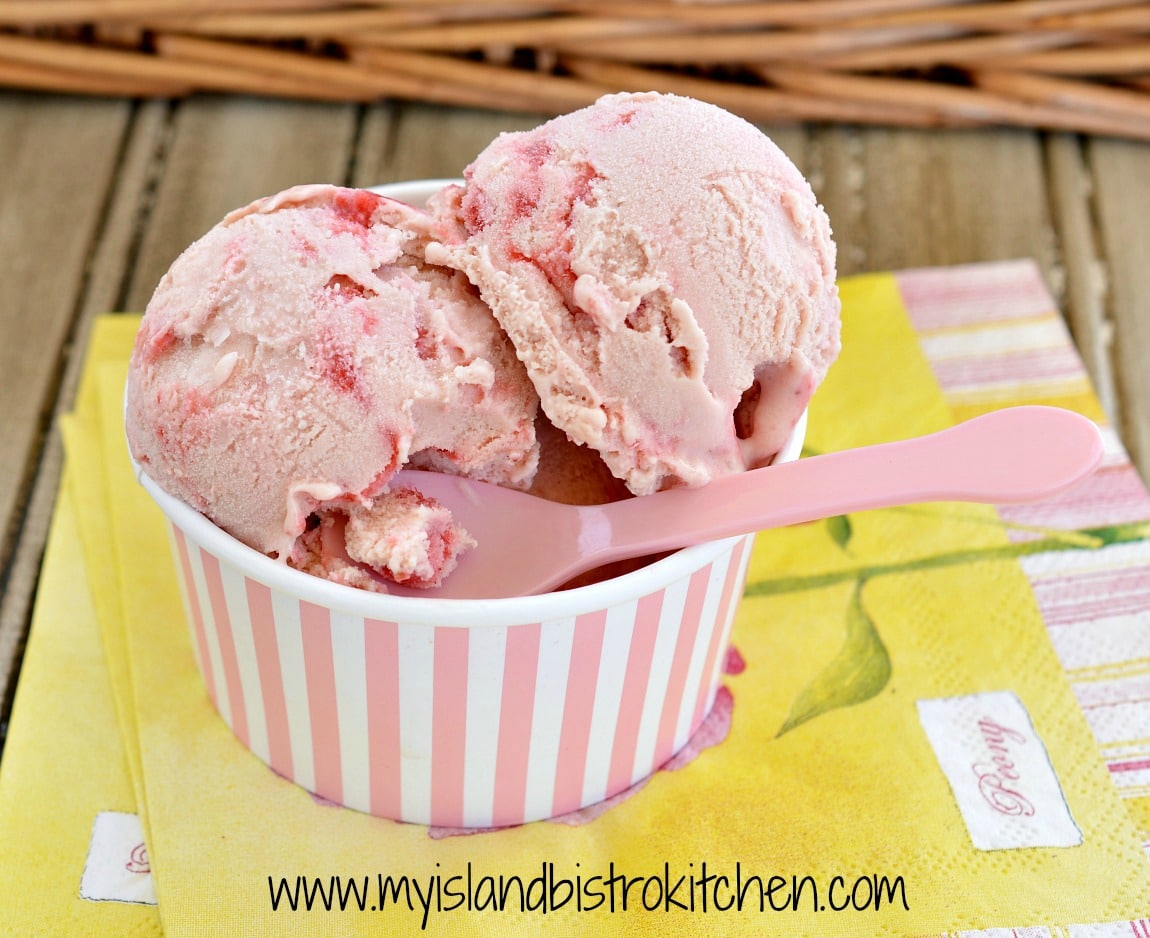
Summer just would not be summer without ice cream and what better way to enjoy it than to combine two of the season’s best flavors – strawberry and rhubarb – into homemade Strawberry Rhubarb Ripple Ice Cream! Continue reading Old-fashioned Strawberry Rhubarb Ripple Ice Cream→
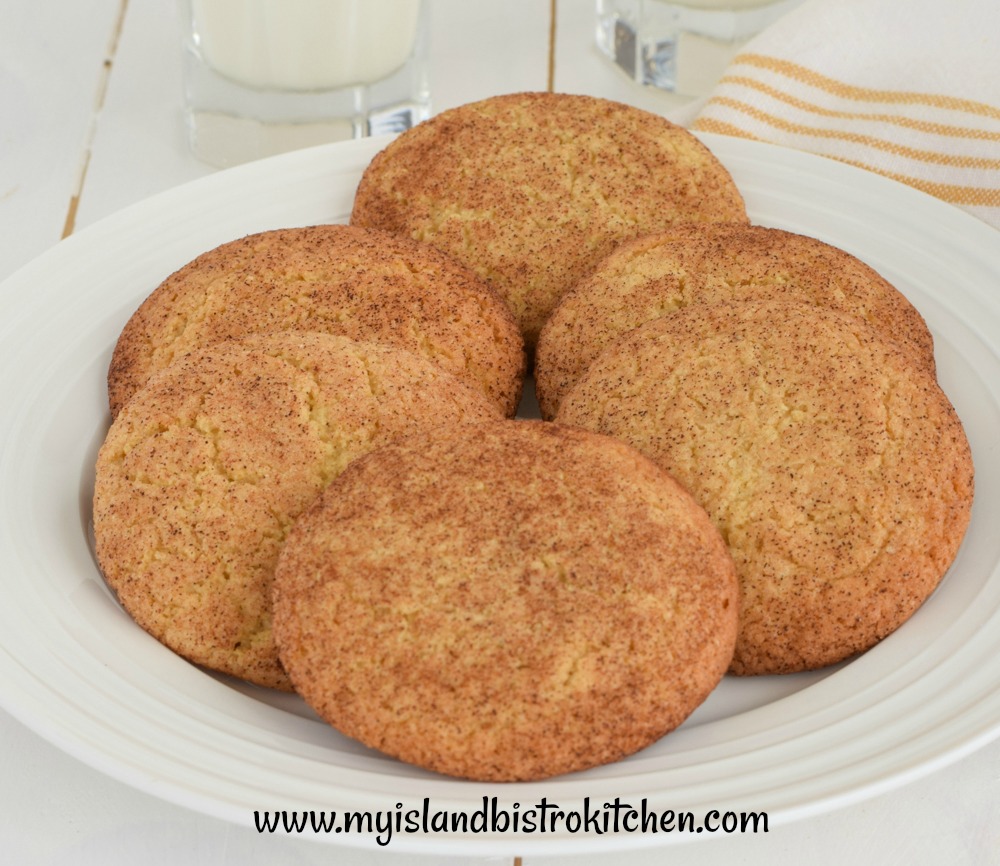
If you like cookies that are super tasty but not overly sweet then you will like these Gluten Free Snickerdoodle Cookies. They sport a lovely soft crumb texture and have superb flavor with the cardamon and nutmeg in the cookies and then the cinnamon-sugar mixture in which they are rolled. Continue reading Gluten Free Snickerdoodle Cookie Recipe→
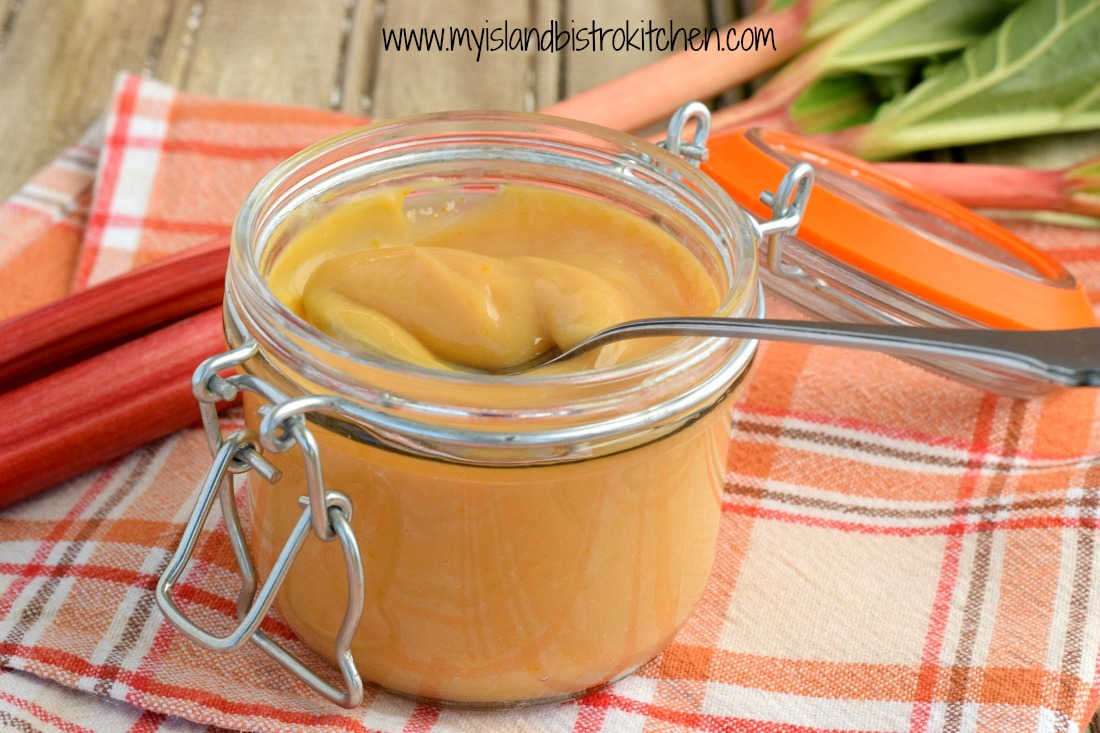
I love rhubarb and use it in a multitude of ways. Being a lover of lemon curd, I figured I would also like rhubarb curd so I set about developing and testing a recipe for it. This delightful creamy curd can be used in the same ways as lemon curd – sandwiching cakes together, spreading on scones, filling cookies, eclairs, macarons, and tarts, stirring into (or topping on) Greek yogurt for quick parfaits, and, well, its uses are only limited by your imagination! Continue reading Rhubarb Curd Recipe→
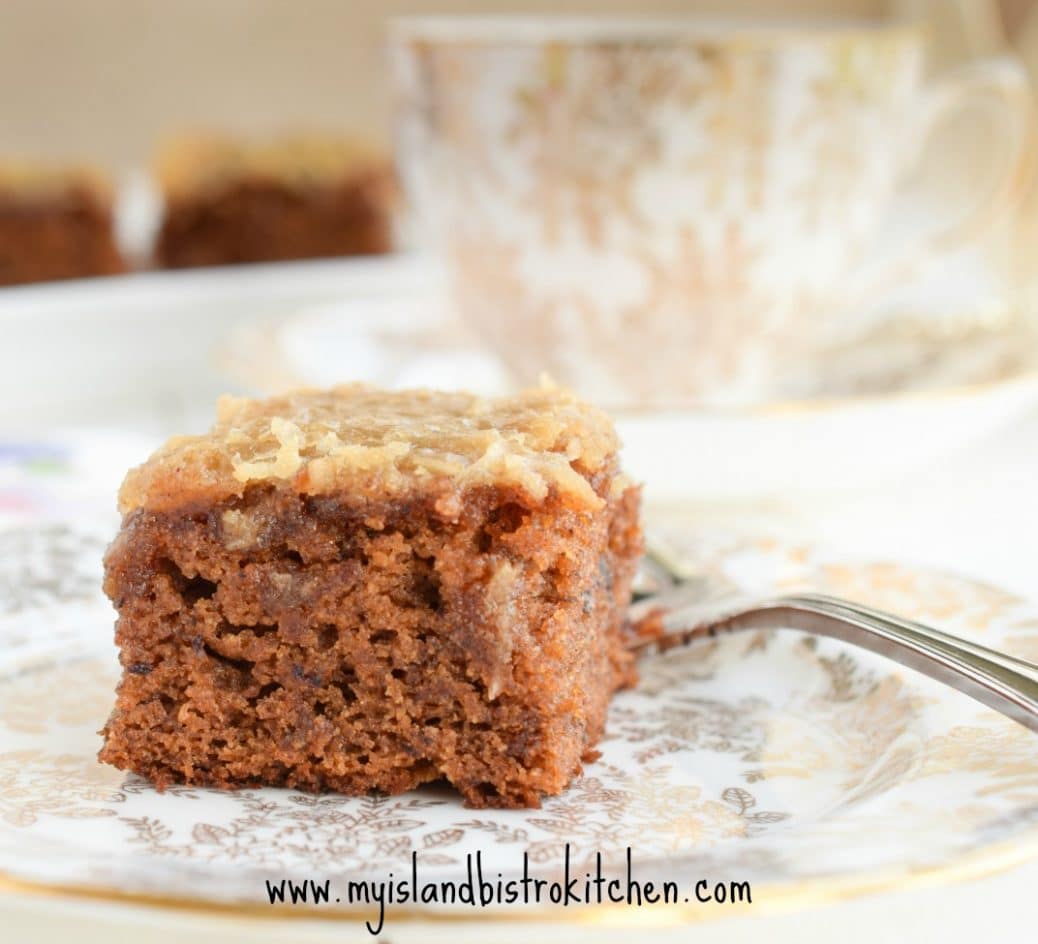
In an earlier posting, I shared my recipe for the regular gluten version of Queen Elizabeth Cake to coincide with Queen Elizabeth II’s actual birthday on April 21st. Today, I have a special treat for my food blog followers who must follow a gluten-free diet! I have adapted my regular version of this cake to make it gluten-free. It has passed my testing standards so I am pleased to share the recipe for this wonderfully moist and tasty Gluten-free Queen Elizabeth Cake that is made with very simple, basic ingredients. In fact, I’d even go so far as to suggest that it would be quite difficult to be able to tell that this version is gluten-free and, in my view, it certainly rivals its gluten version cousin in taste, texture, and overall quality. Continue reading Gluten-Free Queen Elizabeth Cake→
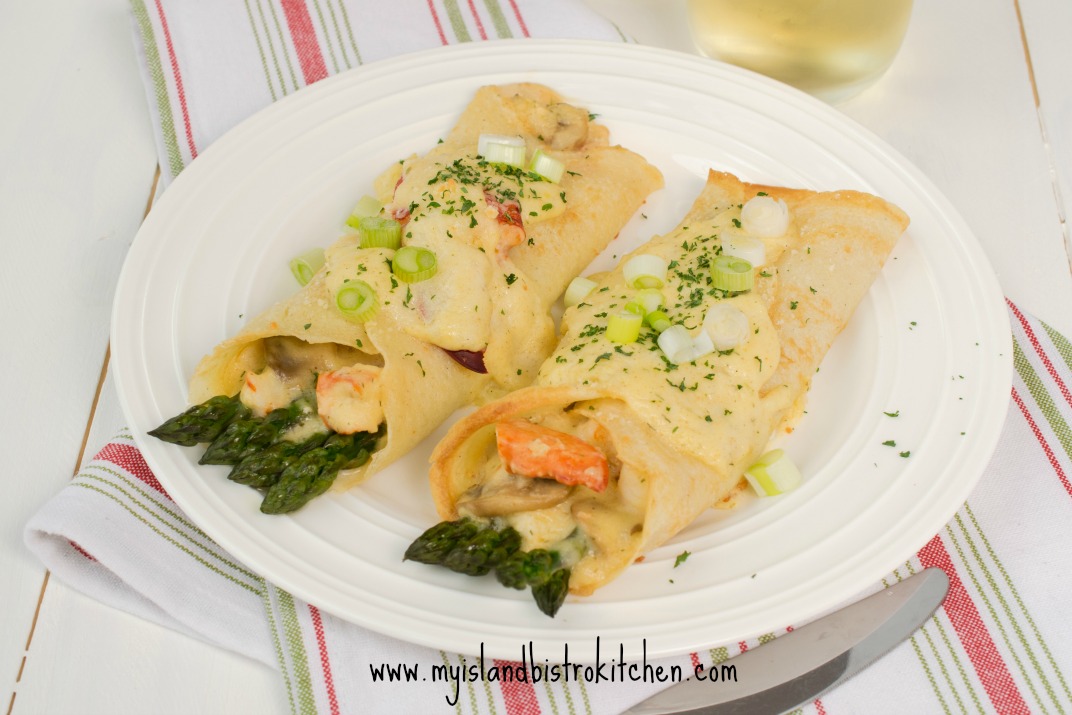
Springtime in Prince Edward Island on Canada’s east coast means it’s lobster season so it’s a great time to make these delectable lobster and asparagus crepes that combine two of the season’s special treats! Continue reading Lobster and Asparagus Crepes→
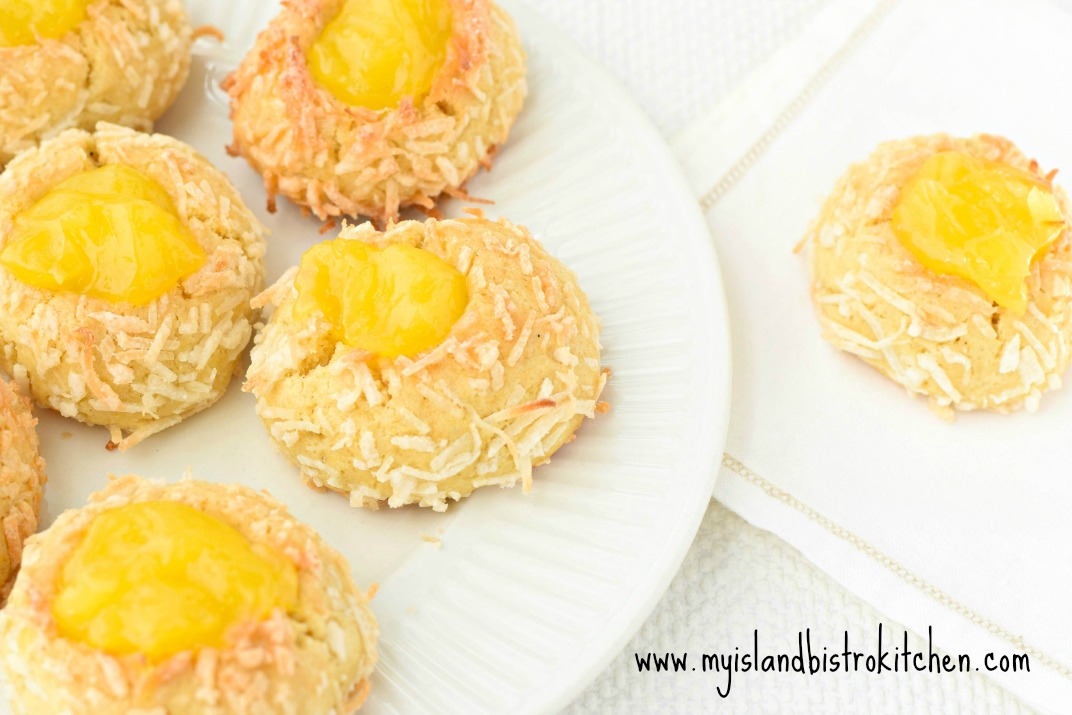
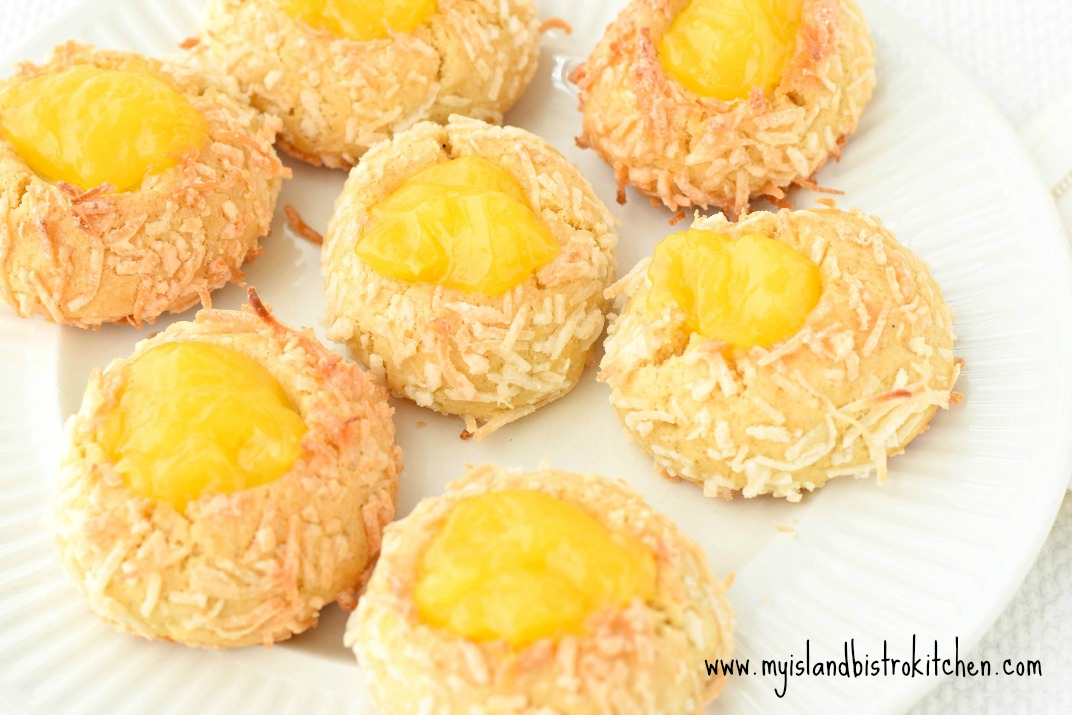
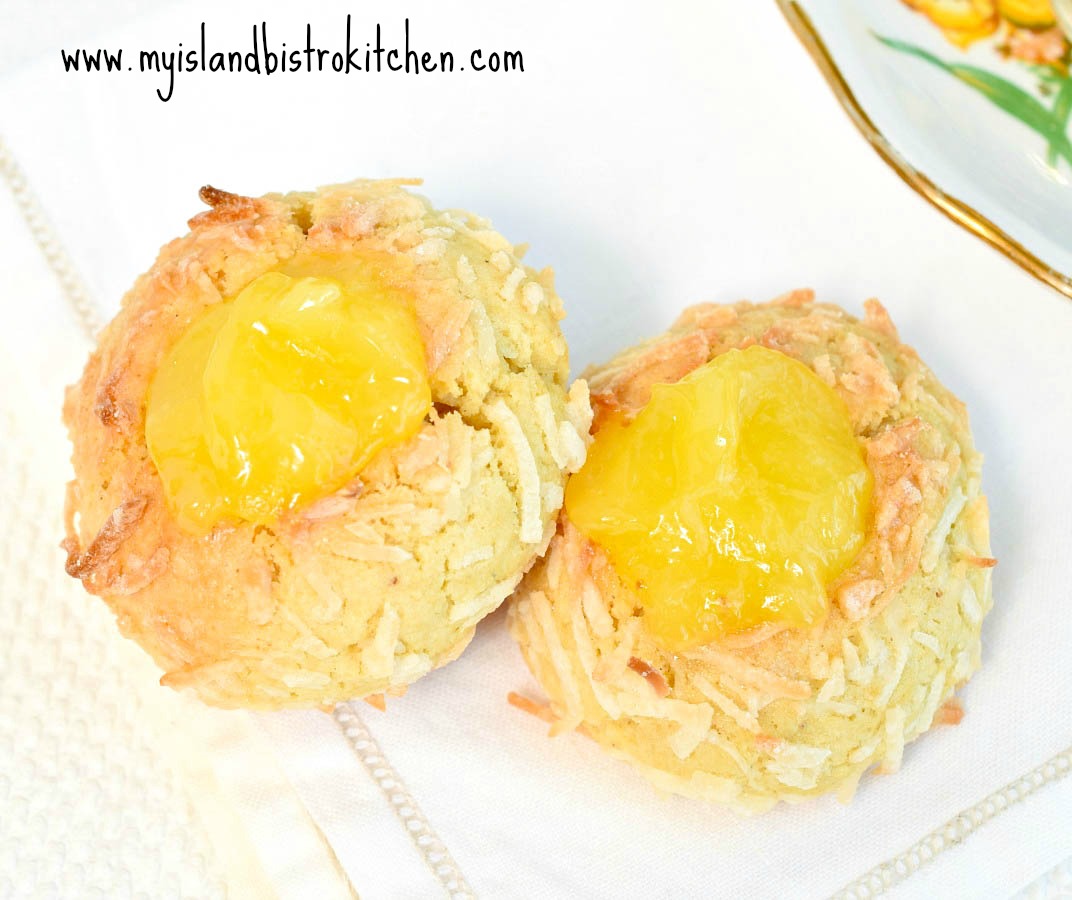
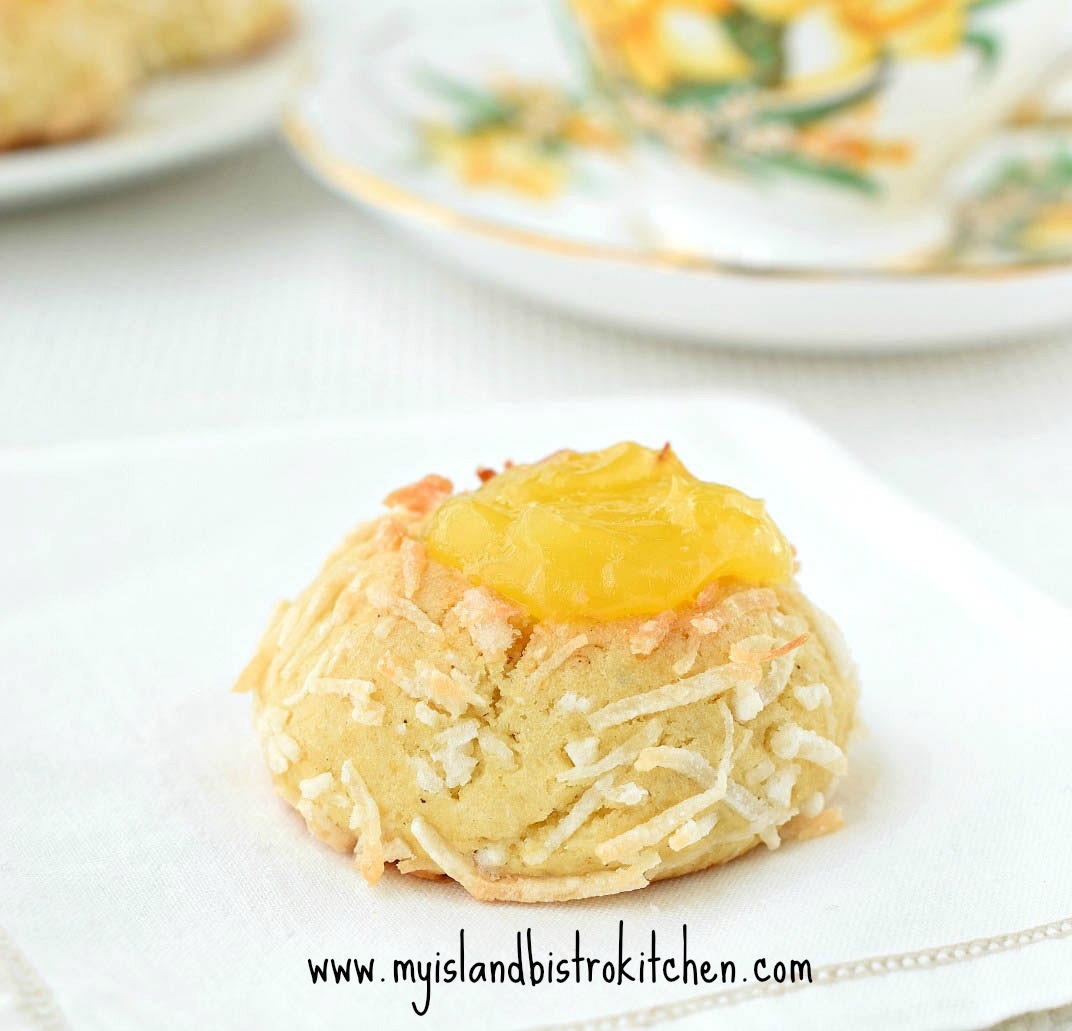
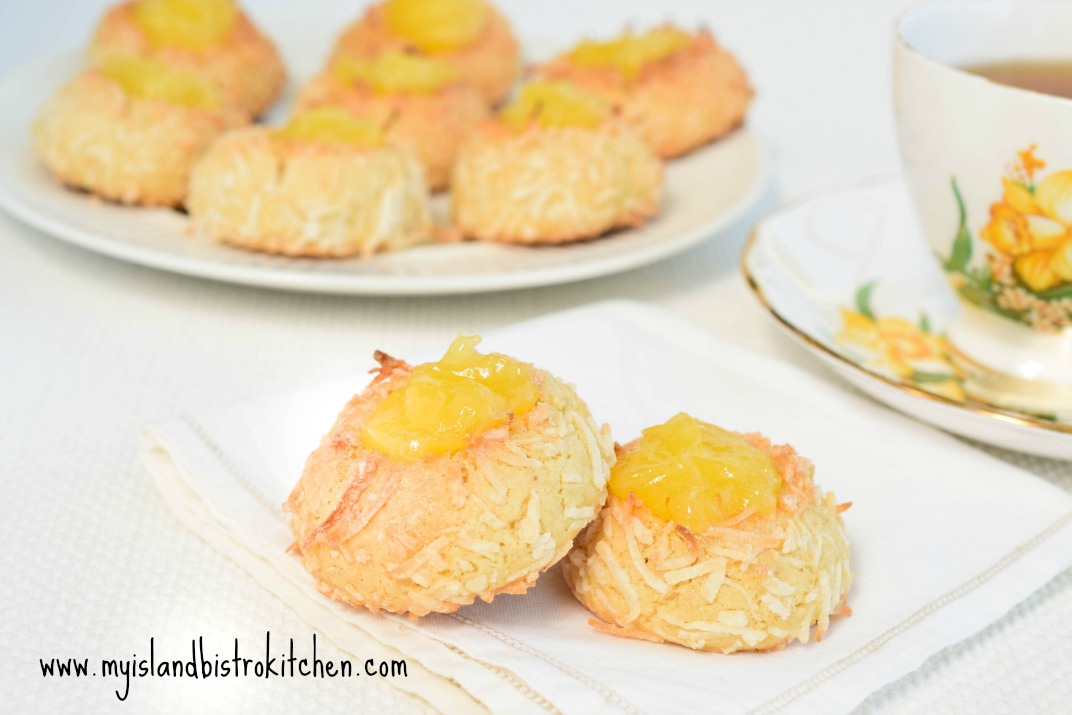
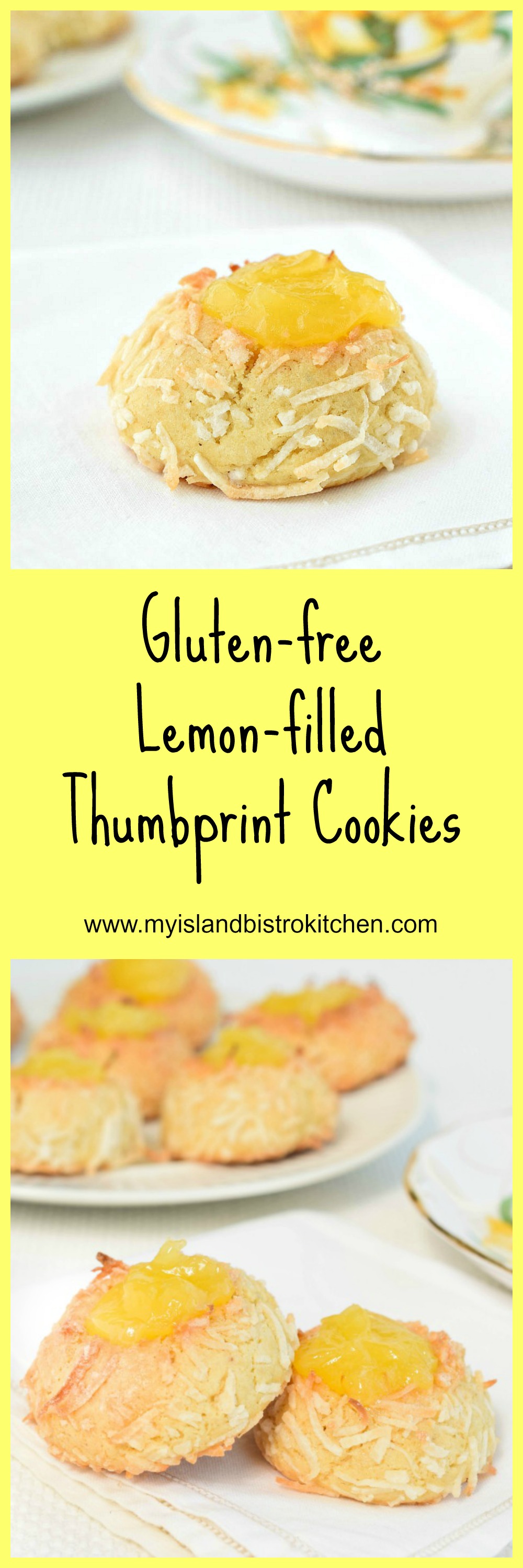
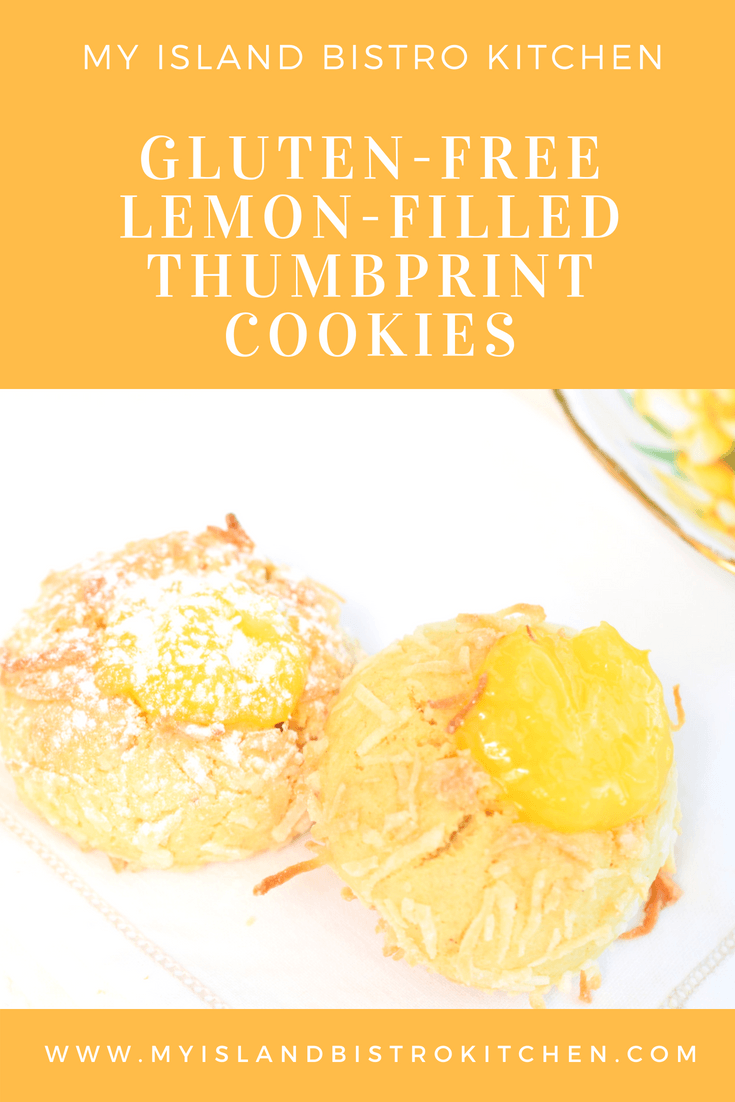
There are different versions of thumbprint cookies. Some are rolled in crushed nuts, others in granulated sugar, and still others in coconut. Some are filled with jam and others with lemon curd. I use lemon curd as the filling and roll my thumbprint cookies in coconut to complement the coconut flour used in these gluten-free cookies. The coconut toasts lovely as the cookies bake.
I find that using only a gluten-free all-purpose flour in baking results in a somewhat underwhelming flavor for my taste. That’s why I often add some almond and/or coconut flour to my baked products. Either or both contribute flavor and I think produce better textured products.
As I tested this newly-developed recipe, I found that a hint of cardamon gives a subtle and pleasing flavor to the cookies. Somewhere between a one-quarter teaspoon and a half teaspoon is about the right amount so….either a heaping 1/4 teaspoon or a scant 1/2 teaspoon of cardamon will work. The cardamon pairs well with the lemon curd used as a filling/topping on the thumbprints.
Gluten-free Lemon-filled Thumbprint Cookies
Because some gluten-free flours, like coconut flour for example, absorb a lot of liquid, I use one whole extra-large egg as well as the yolk from one large egg to ensure there is enough moisture in the cookie dough. I generally have three different sizes of eggs in my refrigerator (extra large, large, and medium), especially when I am doing gluten-free baking. This is because sometimes two extra-large eggs would be too much but more than one is needed. That’s when I use either large or medium-sized eggs to supplement the egg content in gluten-free baking or, sometimes as in the case with these cookies, I just use a certain size of egg yolk because that is all that is needed. Save the white from the large egg in this recipe as it will be needed to make the egg wash in which to dip each ball before rolling in coconut. This egg wash adheres the coconut to the cookies.
Gluten-free Lemon-filled Thumbprint Cookies
The cookie dough benefits from being chilled for about 30 minutes in the refrigerator before being formed into balls that are about 1″ in diameter. This allows the dough to firm up and makes the shaping of the cookie balls easier. For these cookies, I use 3/4 oz of dough. I recommend the use of a digital kitchen scale to weigh out portions of the dough to ensure uniformity of size in cookies. You can, of course, “eyeball” the amount of dough for each ball but, if you want perfectly uniform cookies, I recommend weighing the dough, at least for the first 2-3 cookie balls to get a sense of how much dough is needed for each cookie.
Gluten-free Lemon-filled Thumbprint Cookies
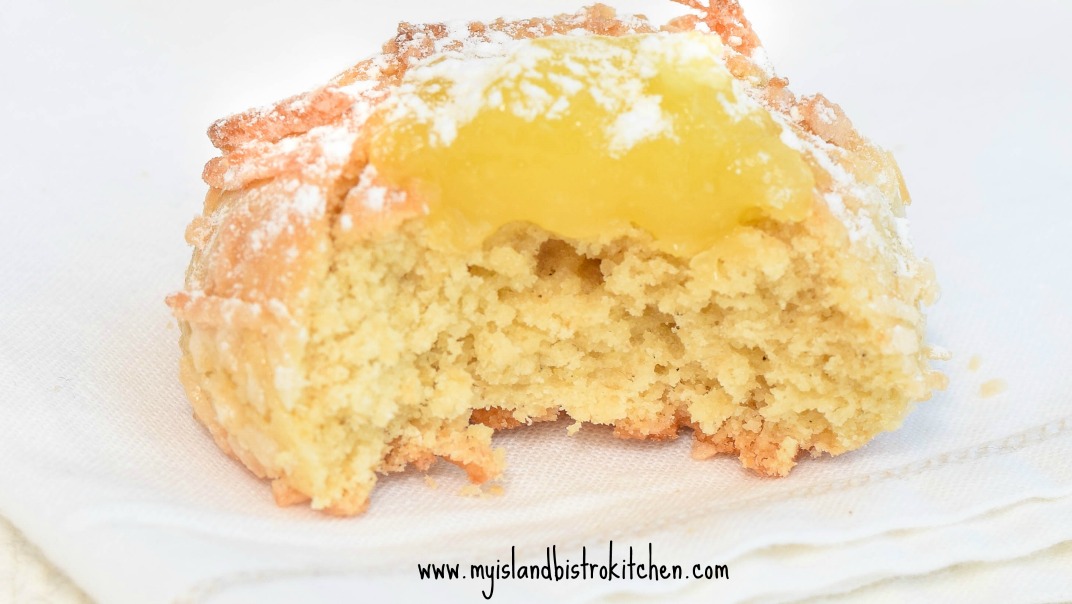
These cookies have a soft tender crumb and are not too sweet. The lemon curd adds tremendous flavor and texture to the cookies. Click here for my recipe for the lemon curd. To make the indent in each cookie for the curd, use either the tip of your thumb, the round end of a wooden spoon, or the round bowl of a ¼ tsp measuring spoon. Gently press an indent into the center of each cookie, pressing about half-way down through the cookie. Bake the cookies and, as soon as they come out of the oven, immediately fill each cookie with about 1 teaspoonful of lemon curd. If lemon curd is not to your taste, simply use your favorite jam as the filling.
Gluten-free Lemon-filled Thumbprint Cookies
Ingredients:
½ cup butter
½ cup granulated sugar
1 extra large egg
1 large egg yolk (save the egg white for the egg wash)
1 tsp vanilla
¼ tsp almond flavoring
1 cup all-purpose gluten-free flour
½ cup almond flour
¼ cup coconut flour
1¾ tsp xanthan gum
1/8 tsp baking soda
¼ tsp baking powder
¼ tsp salt
Scant ½ tsp cardamom
3 oz flaked coconut
1 large egg white beaten with 1 tbsp water
Apx. ½ cup lemon curd
Method:
Line baking sheet with parchment paper.
Using the paddle attachment in the bowl of stand mixer, cream the butter. Gradually add the sugar. Beat well. Add the egg and extra egg yolk. Beat. Mix in the vanilla and almond flavoring.
In separate bowl, combine the flours, xanthan gum, baking soda, baking powder, salt, and cardamom. Whisk together very well. Blend into the butter-sugar-egg mixture. Mix well. Cover bowl with plastic wrap and chill dough for 30 minutes in refrigerator.
Preheat oven to 350°F. Place coconut in one small bowl and the beaten egg white and water mixture into a second bowl. Pinch off pieces of the dough and roll into balls, approximately 1” in diameter (if you weigh the dough, each piece should weigh ¾ oz.) Dip each cookie ball in the egg white wash then roll in the coconut. Place cookies on prepared baking sheet, arranging them about 2” apart. Using thumb tip, end of wooden spoon, or the round bowl of a ¼ tsp measuring spoon, gently press an indent into the center of each cookie. Bake for 20-22 minutes. Immediately fill each cookie with about 1 teaspoonful of lemon curd as soon as the cookies come out of the oven. If indents are not clearly defined in each cookie, gently reform them using one of the afore-mentioned methods. Transfer cookies to wire rack to cool completely. Store in airtight container. If desired, add a light dusting of confectioner’s sugar to the cookies just at the time of serving.
Yield: Apx. 22 cookies
Note: Jam of choice may be substituted for the lemon curd, if desired.
A delightful gluten-free cookie with a soft tender crumb and a decadent topping of lemon curd.
Ingredients
½ cup butter
½ cup granulated sugar
1 extra large egg
1 large egg yolk (save the egg white for the egg wash)
1 tsp vanilla
¼ tsp almond flavoring
1 cup all-purpose gluten-free flour
½ cup almond flour
¼ cup coconut flour
1¾ tsp xanthan gum
1/8 tsp baking soda
¼ tsp baking powder
¼ tsp salt
Scant ½ tsp cardamom
3 oz flaked coconut
1 large egg white beaten with 1 tbsp water
Apx. ½ cup lemon curd
Instructions
Line baking sheet with parchment paper.
Using the paddle attachment in the bowl of stand mixer, cream the butter. Gradually add the sugar. Beat well. Add the egg and extra egg yolk. Beat. Mix in the vanilla and almond flavoring.
In separate bowl, combine the flours, xanthan gum, baking soda, baking powder, salt, and cardamom. Whisk together very well. Blend into the butter-sugar-egg mixture. Mix well. Cover bowl with plastic wrap and chill dough for 30 minutes in refrigerator.
Preheat oven to 350°F. Place coconut in one small bowl and the beaten egg white and water mixture into a second bowl. Pinch off pieces of the dough and roll into balls, approximately 1” in diameter (if you weigh the dough, each piece should weigh ¾ oz.) Dip each cookie ball in the egg white wash then roll in the coconut. Place cookies on prepared baking sheet, arranging them about 2” apart. Using thumb tip, end of wooden spoon, or the round bowl of a ¼ tsp measuring spoon, gently press an indent into the center of each cookie. Bake for 20-22 minutes. Immediately fill each cookie with about 1 teaspoonful of lemon curd as soon as the cookies come out of the oven. If indents are not clearly defined in each cookie, gently reform them using one of the afore-mentioned methods. Transfer cookies to wire rack to cool completely. Store in airtight container.
Notes
Note: Jam of choice may be substituted for the lemon curd, if desired.
Recipe for Lemon Curd here: http://myislandbistrokitchen.com/2017/04/14/luscious-lemon-curd/
Ever wonder about the history of old vintage recipes? I so wish that accurate records existed about the origins of some of the old nostalgic recipes like the one for Queen Elizabeth Cake, for example. Continue reading Queen Elizabeth Cake Recipe→
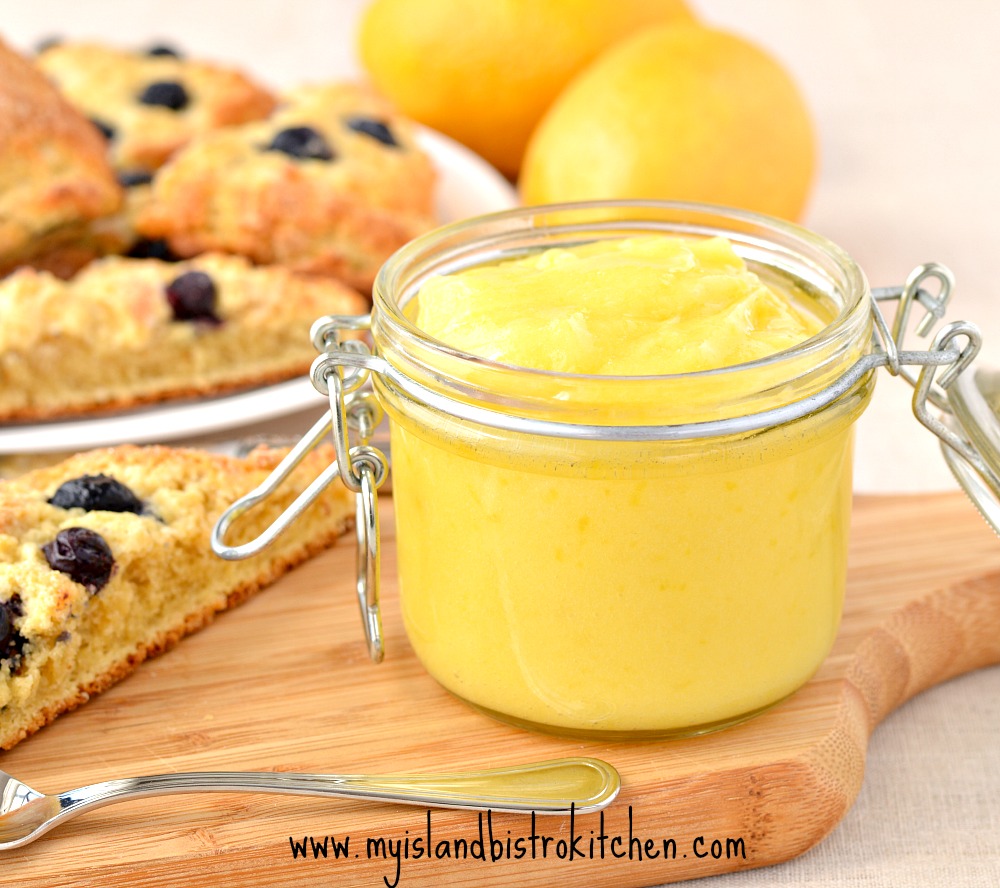
I adore lemon curd – luscious lemon curd – that wonderful balance of lemon’s acidity and tartness with the sweetness of sugar. I love it so much that it’s a staple in my refrigerator. Continue reading Luscious Lemon Curd→
(Mostly) PEI and Maritime Food – Good Food for a Good Life!