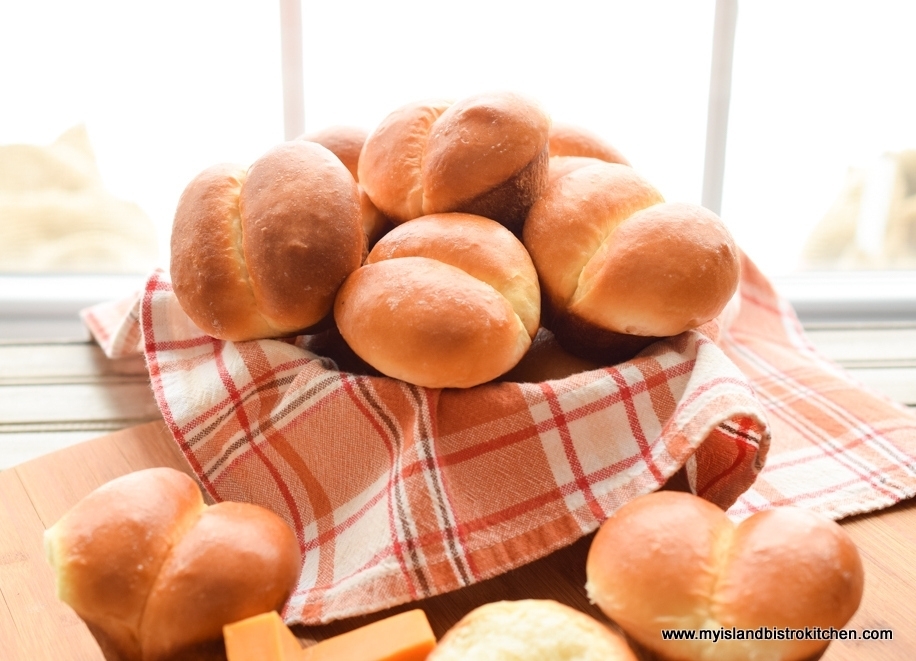
It’s hard to beat the tantalizing scent of homemade bread or dinner rolls baking in the oven. It’s even harder to pass up the wonderful flavor of freshly made warm bread or rolls slathered with a generous spread of pure butter. Do I have your attention yet? Continue reading Mouthwatering Homemade Dinner Rolls→
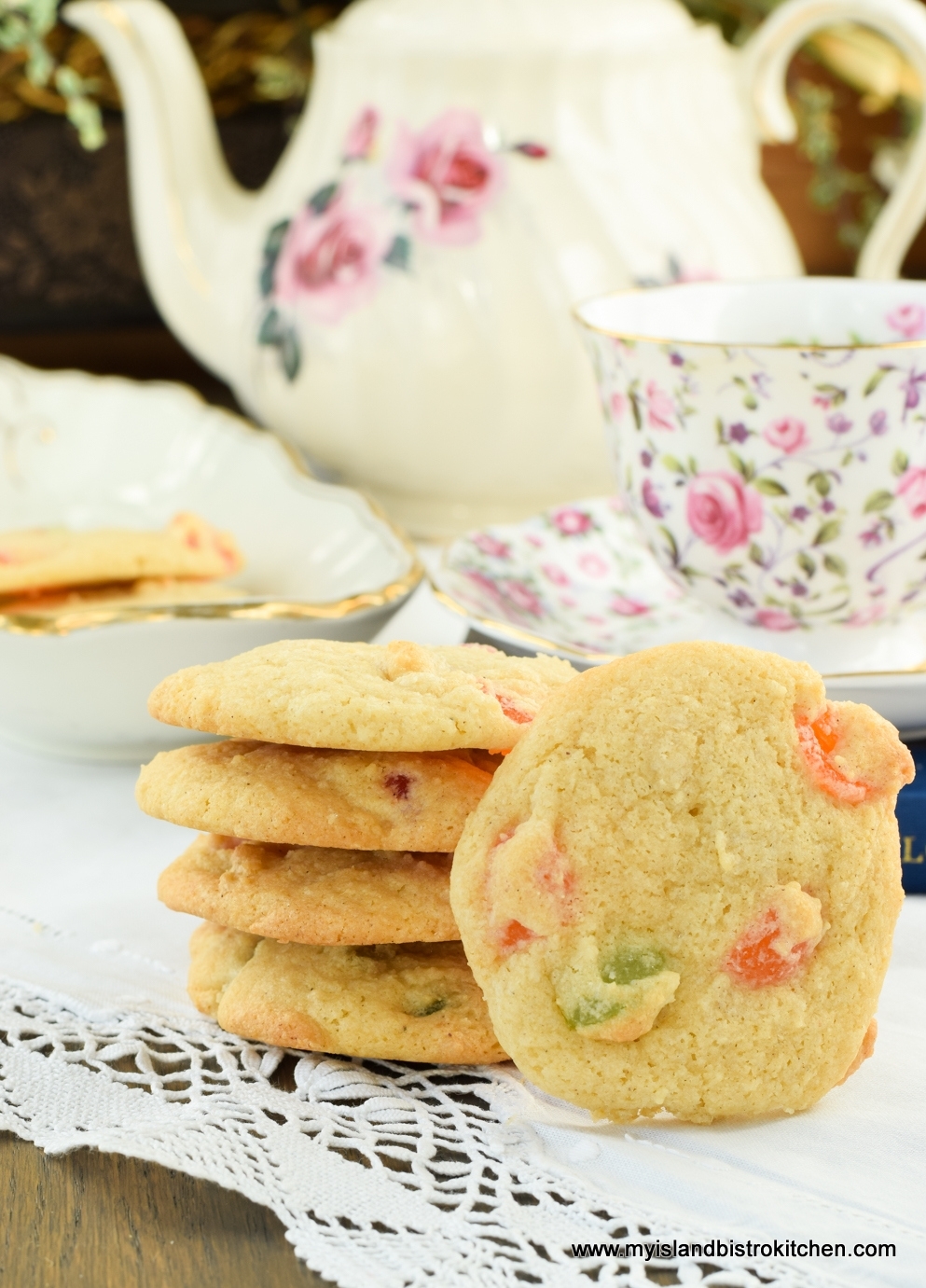
These gluten-free Gumdrop Cookies are very easy to make and are super tasty. They are soft and chewy, studded with colorful fruit-flavored gumdrops. Continue reading Gluten-free Gumdrop Cookies→
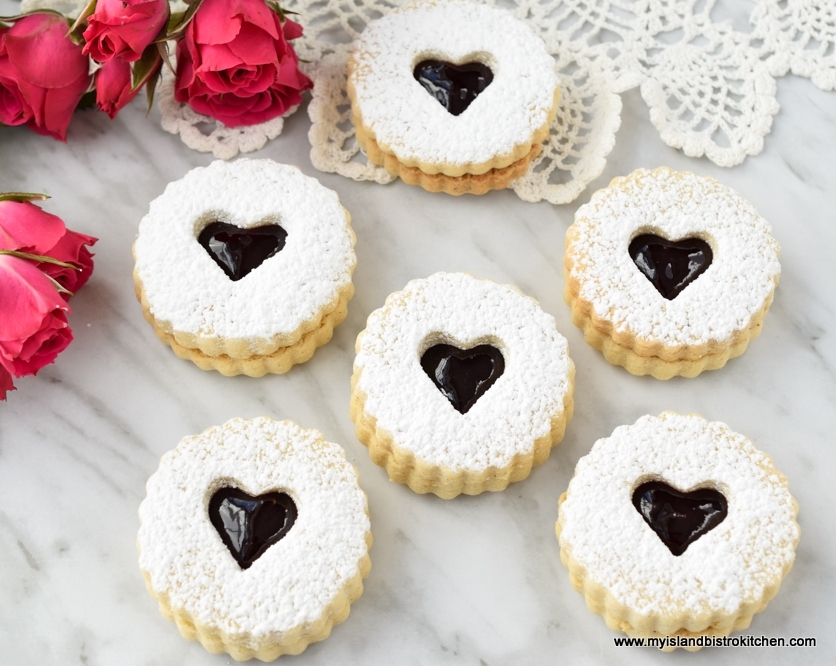
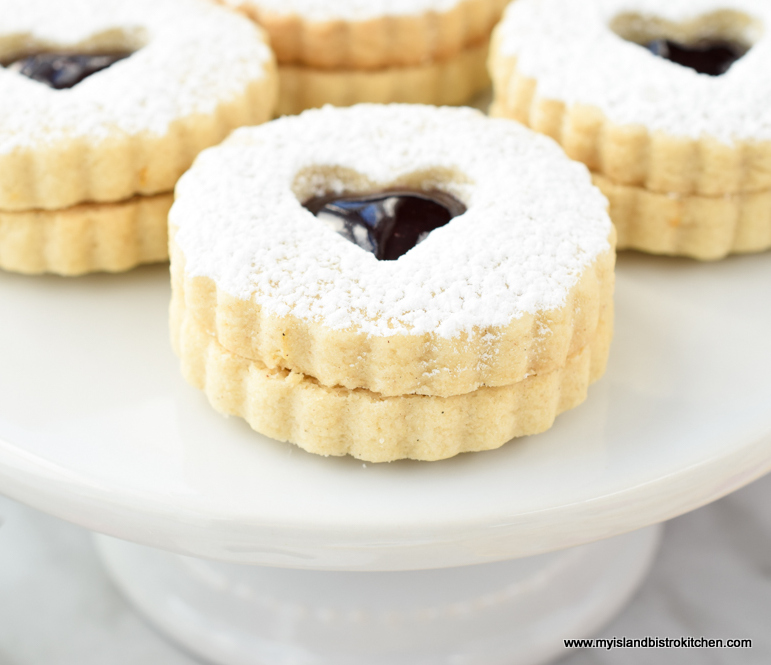
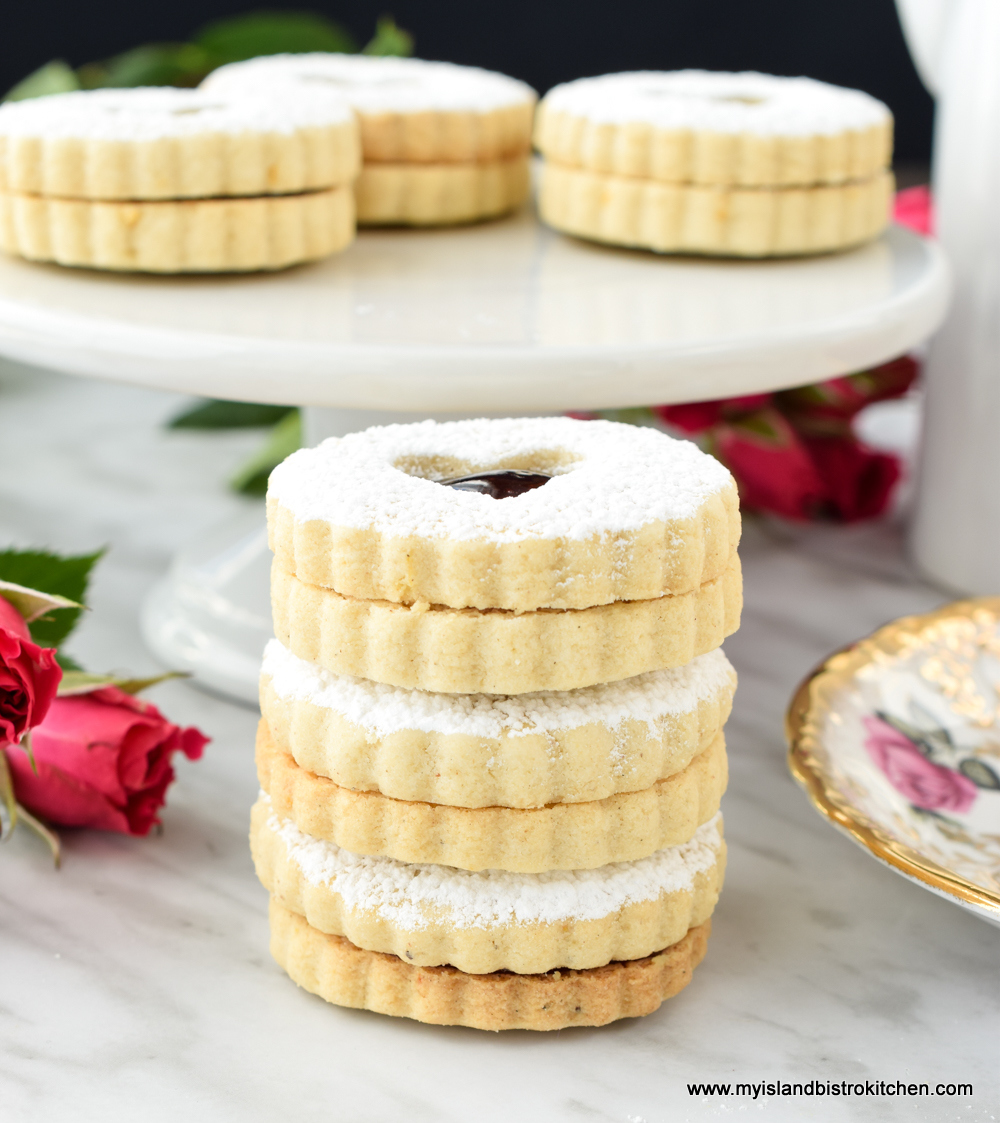
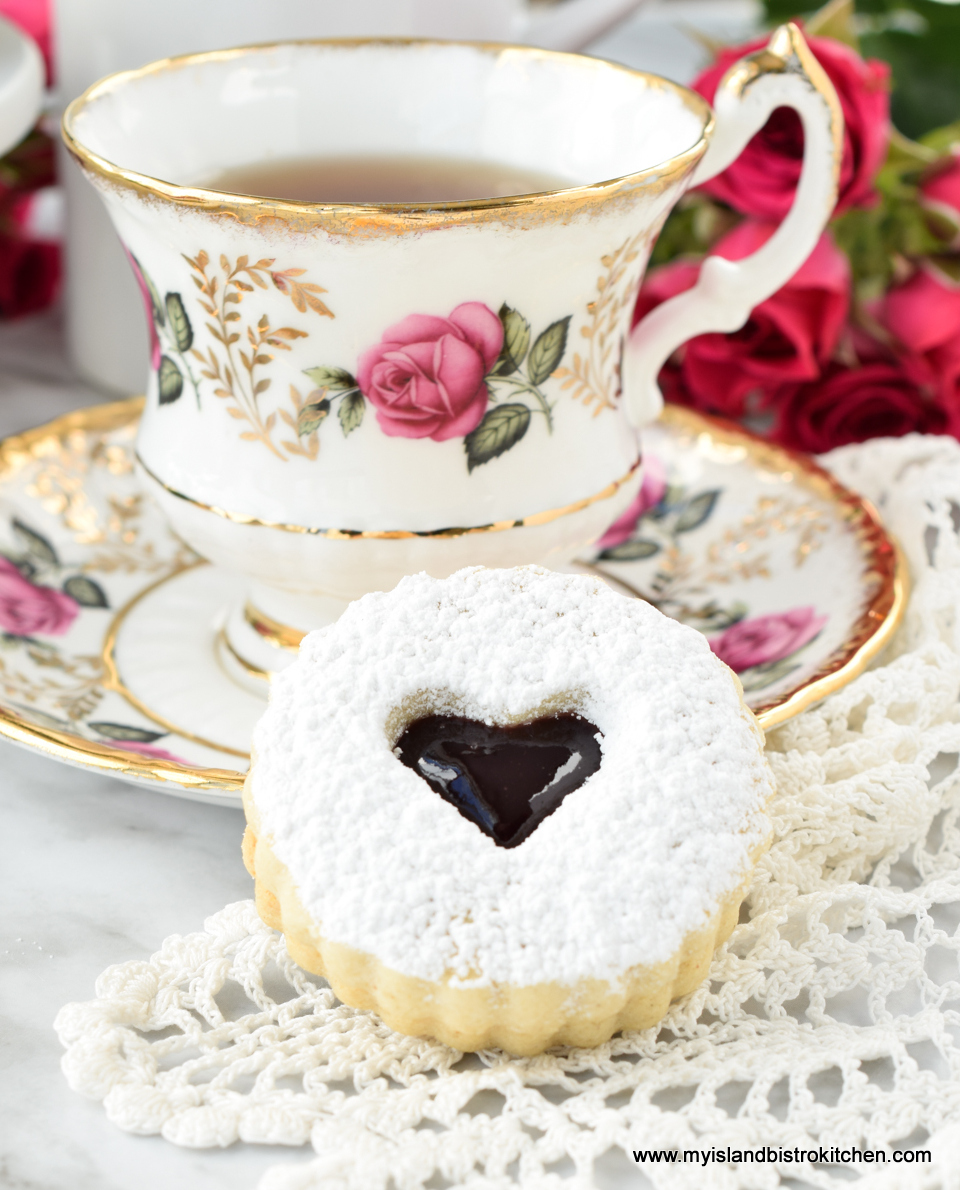
Today, I am featuring Classic Raspberry Linzer Cookies. These cookies, so-named for the Austrian Linzer Torte they replicate, are simply two shortbread-type cookies sandwiched together with jam. The cookies are commonly filled with raspberry jam which produces a very showy cookie. These cookies are traditionally found on sweet trays at Christmas but they are wonderful any time of the year. So, there is no need to wait for Christmas to enjoy them! You can legitimately actually have two cookies without feeling guilty when you eat one of these sandwich cookies – bonus!
Raspberry Linzer Cookies
The Linzer Torte, said to be the oldest cake recipe in the world and dating back to the late 1600s, is believed to have originated in the City of Linz in Austria. Made with a rich buttery crust of primarily butter, flour, and ground nuts, the torte was traditionally filled with black currant preserves and topped with a lattice crust that allowed the preserves to shine through.
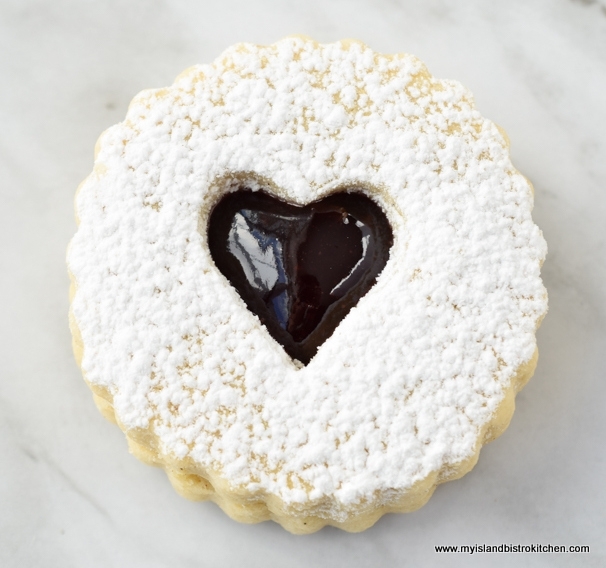
Linzer cookies are a take on the Linzer Torte put into a cookie format. Two cookies are sandwiched together with jam and the top cookie is generously dusted with powdered sugar making it very showy. To keep the jam filling visible, a simple cut-out is made in the top cookie.
Raspberry Linzer Cookies
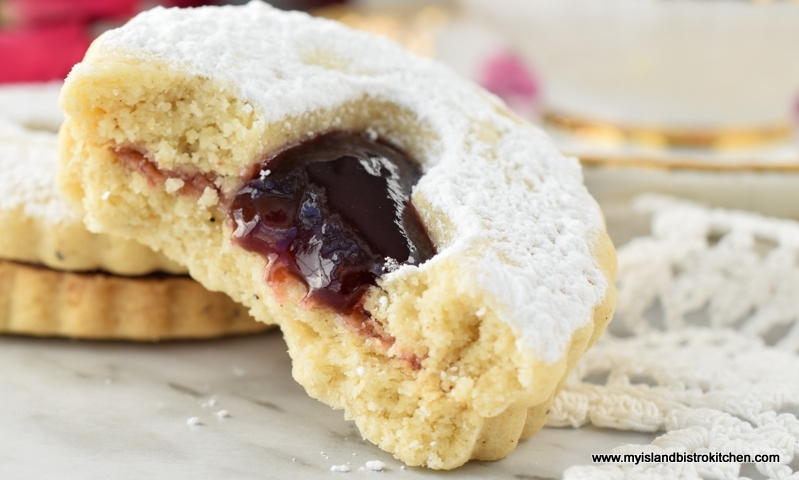
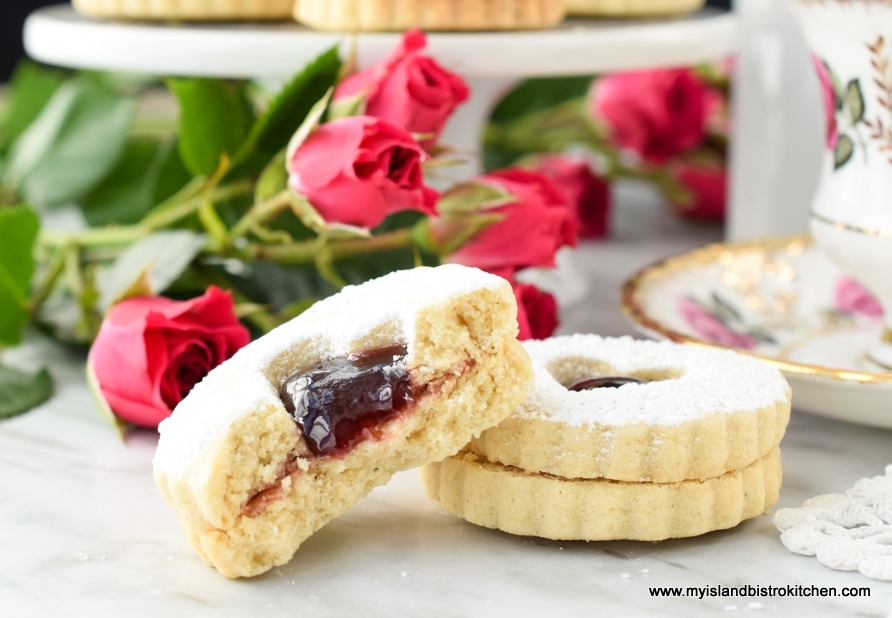
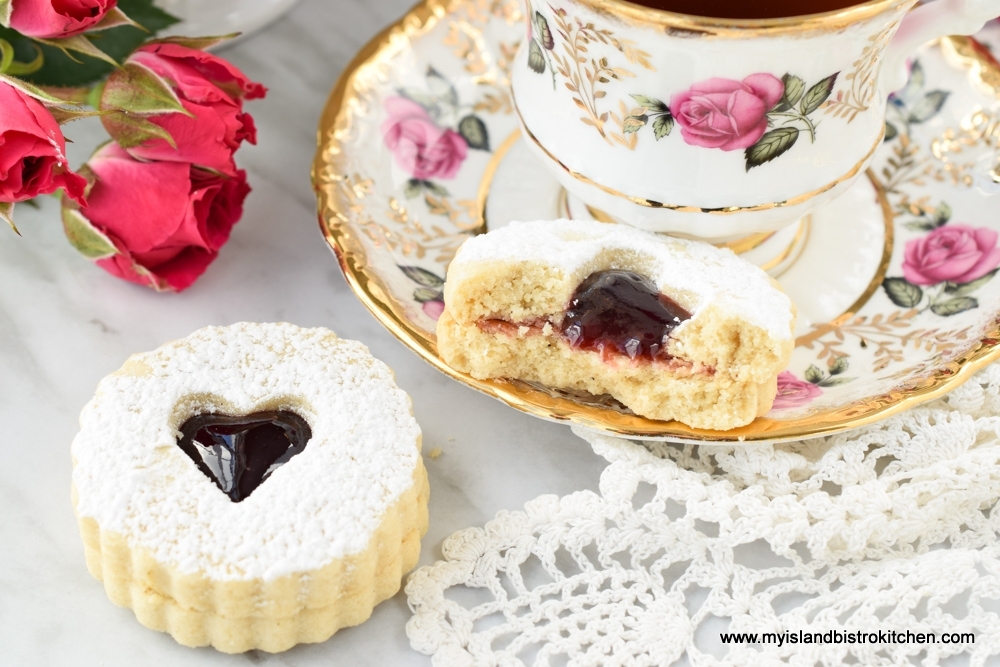
The ingredients for the cookies are fairly basic and the texture closely resembles shortbread. That is to say, the cookies have a short, crisp, yet tender texture.
Texture of Linzer Cookies
While Linzer Cookies are obviously different than a torte, several of the ingredients are the same – butter, flour, and ground almonds. I add small amounts of cinnamon, cardamom, and cloves but in such small amounts that the flavours are very subtle. Some grated orange rind, vanilla, and almond flavoring are the only other injections of flavour into the rich buttery dough.
Classic Raspberry Linzer Cookies
To make these cookies gluten free, replace the 2¼ cups all-purpose flour with an equal amount of gluten-free 1-to-1 baking flour.
Raspberry Linzer Cookies
Tips for Making Linzer Cookies
Make sure all ingredients are at room temperature.
Do not overmix or overhandle the dough. Just mix it enough so it will cling together.
Divide the dough in half and form each half into a disc. Wrap the discs, separately, in plastic wrap and chill the dough for 35-45 minutes or until dough is firm enough to roll out. This will make the dough less sticky and easier to handle. The dough can be made up to a day ahead but it will need to be removed from the refrigerator for several minutes before rolling it out as it will be far too hard to allow the dough to be rolled out without it cracking or breaking apart.
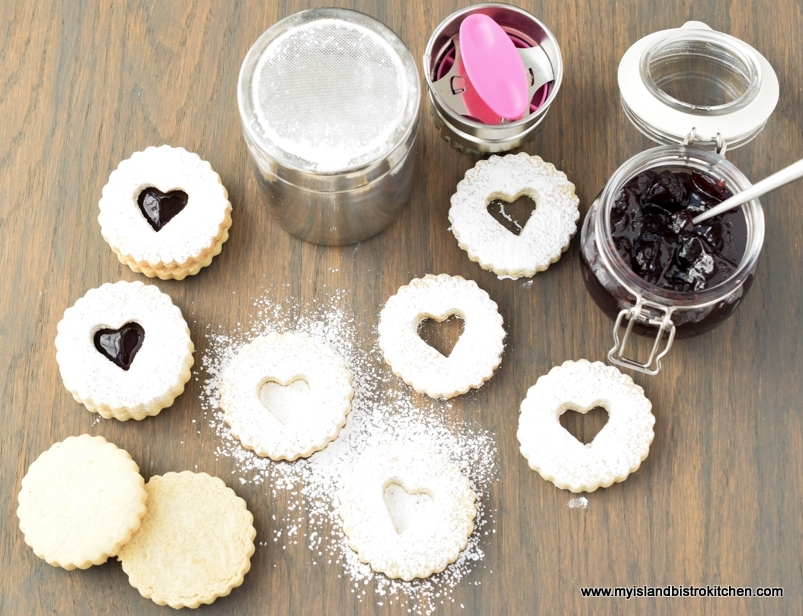
Special Linzer cookie cutters (seen at top of photo below) exist for cutting out these two-part cookies. These cutters have a plunger attachment that allows different interchangeable cut-out inserts to be used to cut out small shapes, like hearts, circles, and diamonds, in the centers of cookies. This cut-out, of course, allows the pretty jam or preserves to show through. If you don’t have a Linzer cutter, simply cut out the shape of the cookie with any 2” cookie cutter and then use a small 1” cookie cutter to cut out the center hole in half the cookie batch. Many sets of nesting cookie cutters have various sizes of cutters suitable for this purpose.
Raspberry Linzer Cookies
Work with one dough disc at a time. Roll the dough to about 1/8” thick. Two cookies will be sandwiched together so about 1/8” thickness is thick enough for each cookie half. Make sure you cut out an even number of whole cookies and cookies with the cut-outs so you will have matched pairs.
The cookies, once cut out and placed 1” apart on parchment-lined baking sheets need to go back into the refrigerator for about 20 minutes. This is an important step because the fat in the chilled cookies will take longer to melt once the cookies are placed in the oven than would room-temperature cookies. The chilling will mean the cookies will spread less as they bake and we want these cookies to hold their shape perfectly, especially the cut-out centers in the top cookies.
Do not overbake the cookies. Bake them for 11-13 minutes, just until the cookies are set and have a light golden color.
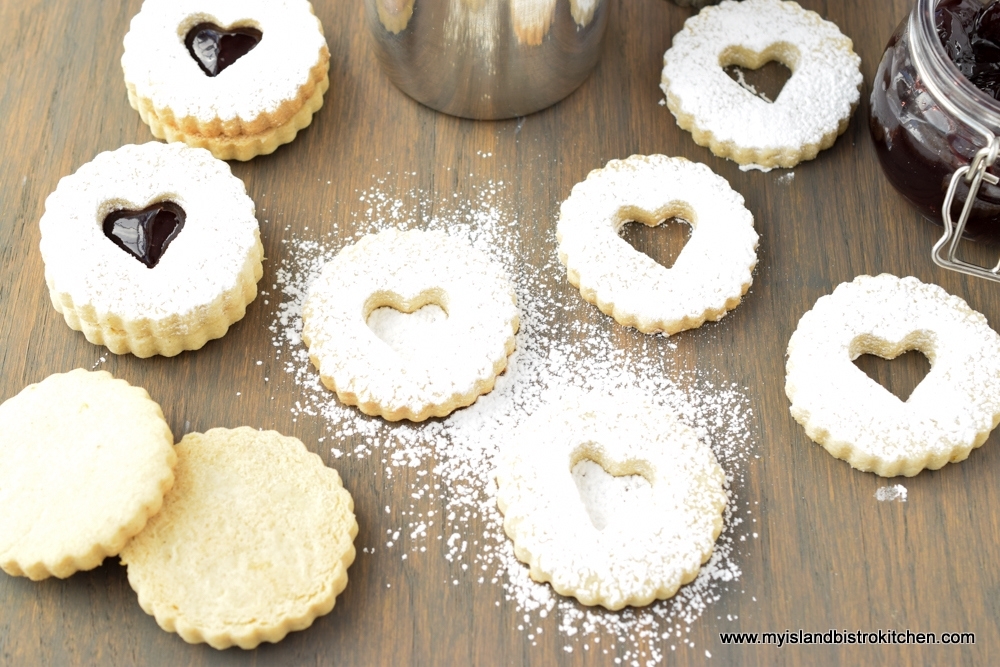
Dust the cut-out cookie tops with powdered sugar BEFORE placing them over the filled cookie bottoms (a small fine wire mesh sieve works well for this or a small metal mesh-topped can can also be used (seen in photo above)). If you wait to sugar-coat the cookies until after they have been assembled, the sugar will cover the jam filling and cause it to become cloudy and lose its clear, shimmery appearance.
Sugar-dusted Cookie Tops for Linzer Cookies
Any red jam or black currant jam can be used in these cookies. My preference is to use raspberry as the flavour blends well with the ground almonds and the orange flavoring in the cookies. I do recommend, whatever type of jam is used, that it be seedless. Do not spread the jam right to the outside edge of the bottom cookies as the jam will ooze out. Keep the jam in the center of the cookie bottoms. When the top cookie is placed on the jam-filled bottom, it will spread the jam further out in the cookie. No jam should be visible on the outside edges of Linzer cookies. If a bit more jam is desired in the cookies, use a tiny coffee spoon to carefully drop a bit more jam into the center of the assembled sandwich cookies.
Classic Raspberry Linzer Cookies
It is not recommended to freeze the assembled cookies for a couple of reasons. First, the jam is likely to soak into the cookies, especially as they thaw. This will cause the cookies to lose their crisp texture. Second, it takes up more container and freezer space to freeze the cookies in single layers so that the powdered sugar does not fall off the cookies or transfer onto the jam-filled centers, marring the look of the cookies.
Store filled cookies in airtight container in refrigerator for up to 3-4 days.
Classic Raspberry Linzer Cookies
[Printable recipe follows at end of posting]
Classic Raspberry Linzer Cookies
Ingredients:
2¼ cups all-purpose flour (to make them gluten free, substitute an equal amount of gluten-free 1-to-1 baking flour
¾ cup finely ground almonds
1 tbsp cornstarch
¾ tsp baking powder
¼ tsp cinnamon
¼ tsp cardamom
Pinch cloves
1 cup butter, room temperature (no substitutes)
2/3 cup granulated sugar
3 tbsp powdered sugar (aka icing sugar or confectioner’s sugar)
2 large egg yolks, room temperature
1 tsp vanilla
¼ tsp almond flavoring
1 tsp finely grated orange rind
Seedless raspberry jam (1/2 – ¾ cup)
Additional powdered sugar for dusting cookies
Method:
Sift dry ingredients together. Set aside.
In bowl of stand mixer fitted with paddle attachment, cream the butter at medium speed until fluffy and pale yellow. Slowly add the sugars and cream well for 2-3 minutes, scraping the sides of the bowl as necessary. Reduce speed to low and add the egg yolks, one at a time, beating well after each addition. Add the vanilla and almond flavoring as well as the grated orange rind. Mix to combine well.
With mixer set on low speed, gradually blend in the dry ingredients, mixing just until dry ingredients are fully incorporated. Do not overmix. Turn dough on to a lightly floured surface and gather the dough, working it just enough that it clings together. Divide the dough into two equal portions and form each half into a round disc. Wrap discs separately in plastic wrap and refrigerate for 35-45 minutes, or until firm enough to roll.
On lightly floured surface, roll a dough disc into 1/8” thickness. Using a 2” Linzer cookie cutter (either straight edged or fluted), cut cookies from one half the dough. Gather dough scrapes and continue cutting out the cookies until the dough is used up. These will be the cookie bottoms. Roll out remaining dough disc in the same manner for the cookie tops. To cut out the cookie tops, use the same Linzer cutter but fitted with one of the insert shapes to cut out a small 1” shape in the center of each cookie. Repeat until an equal number of cookies with cut out centers have been cut as there are whole cookies. If you do not have a Linzer cookie cutter, use any 2” cookie cutter and a 1” cutter of any shape for the center cut-out of half the cookies.
Place cookies about 1” apart on parchment-lined baking sheets. Refrigerate cookies for about 20 minutes.
Meanwhile, preheat oven to 350°F. Bake cookies on the middle oven rack for 11-13 minutes, or just until cookies are set and a light golden color. Do not overbake. Remove cookies from oven and cool on baking sheet for about 3-4 minutes then, using a flat lifter/spatula, transfer them to a wire rack to cool completely.
To assemble sandwich cookies, place the cookie halves that have the cut-out centers on a cutting board (these will be the top cookies). Dust the cookies generously with sifted powdered sugar, covering the cookies with an even coating of the sugar. On the flat side (i.e., the underneath side) of the whole cookies, spread about 1 – 1½ teaspoons jam in the center of each cookie, being careful not to spread the jam all the way to the cookie edges (stay within ¼” of the cookie edge). Place the cut-out sugar-dusted cookie tops over the jam-spread bottom cookies to create the sandwich. If desired, use a tiny spoon to carefully add a bit more jam into the center cut-out of each cookie.
Store cookies in an airtight container in the refrigerator for up to 3-4 days. To freeze cookies, package unassembled cookies between layers of parchment paper in an airtight container. Bring cookies to room temperature before filling with jam and assembling as above described.
Sugar-dusted jam-filled Linzer Cookies have a tender and crisp texture and buttery flavour complemented by ground almonds and subtle spice seasonings.
Course
Dessert
Keyword
Linzer Cookies
Servings26
My Island Bistro KitchenMy Island Bistro Kitchen
Ingredients
2¼cupsall-purpose flour (to make them gluten freesubstitute an equal amount of gluten-free 1-to-1 baking flour
¾cupfinely ground almonds
1tbspcornstarch
¾tspbaking powder
¼tspcinnamon
¼tspcardamom
Pinchcloves
1cupbutterroom temperature (no substitutes)
2/3cupgranulated sugar
3tbsppowdered sugaraka icing sugar or confectioner’s sugar
2large egg yolksroom temperature
1tspvanilla
¼tspalmond flavoring
1tspfinely grated orange rind
Seedless raspberry jam1/2 – ¾ cup
Additional powdered sugar for dusting cookies
Instructions
Sift dry ingredients together. Set aside.
In bowl of stand mixer fitted with paddle attachment, cream the butter at medium speed until fluffy and pale yellow. Slowly add the sugars and cream well for 2-3 minutes, scraping the sides of the bowl as necessary. Reduce speed to low and add the egg yolks, one at a time, beating well after each addition. Add the vanilla and almond flavoring as well as the grated orange rind. Mix to combine well.
With mixer set on low speed, gradually blend in the dry ingredients, mixing just until dry ingredients are fully incorporated. Do not overmix. Turn dough on to a lightly floured surface and gather the dough, working it just enough that it clings together. Divide the dough into two equal portions and form each half into a round disc. Wrap discs separately in plastic wrap and refrigerate for 35-45 minutes, or until firm enough to roll.
On lightly floured surface, roll a dough disc into 1/8” thickness. Using a 2” Linzer cookie cutter (either straight edged or fluted), cut cookies from one half the dough. Gather dough scrapes and continue cutting out the cookies until the dough is used up. These will be the cookie bottoms. Roll out remaining dough disc in the same manner for the cookie tops. To cut out the cookie tops, use the same Linzer cutter but fitted with one of the insert shapes to cut out a small 1” shape in the center of each cookie. Repeat until an equal number of cookies with cut out centers have been cut as there are whole cookies. If you do not have a Linzer cookie cutter, use any 2” cookie cutter and a 1” cutter of any shape for the center cut-out of half the cookies.
Place cookies about 1” apart on parchment-lined baking sheets. Refrigerate cookies for about 20 minutes.
Meanwhile, preheat oven to 350°F. Bake cookies on the middle oven rack for 11-13 minutes, or just until cookies are set and a light golden color. Do not overbake. Remove cookies from oven and cool on baking sheet for about 3-4 minutes then, using a flat lifter/spatula, transfer them to a wire rack to cool completely.
To assemble sandwich cookies, place the cookie halves that have the cut-out centers on a cutting board (these will be the top cookies). Dust the cookies generously with sifted powdered sugar, covering the cookies with an even coating of the sugar. On the flat side (i.e., the underneath side) of the whole cookies, spread about 1 – 1½ teaspoons jam in the center of each cookie, being careful not to spread the jam all the way to the cookie edges (stay within ¼” of the cookie edge). Place the cut-out sugar-dusted cookie tops over the jam-spread bottom cookies to create the sandwich. If desired, use a tiny spoon to carefully add a bit more jam into the center cut-out of each cookie.
Store cookies in an airtight container in the refrigerator for up to 3-4 days. To freeze cookies, package unassembled cookies between layers of parchment paper in an airtight container. Bring cookies to room temperature before filling with jam and assembling as above described.
Recipe Notes
Yield: Approximately 26 sandwiched cookies.
[Copyright My Island Bistro Kitchen]
If you have made this recipe and enjoyed it and/or wish to share it with your friends and family, please do so on social media but be sure to share the direct link to this posting from my website.
Connect on social media with My Island Bistro Kitchen:
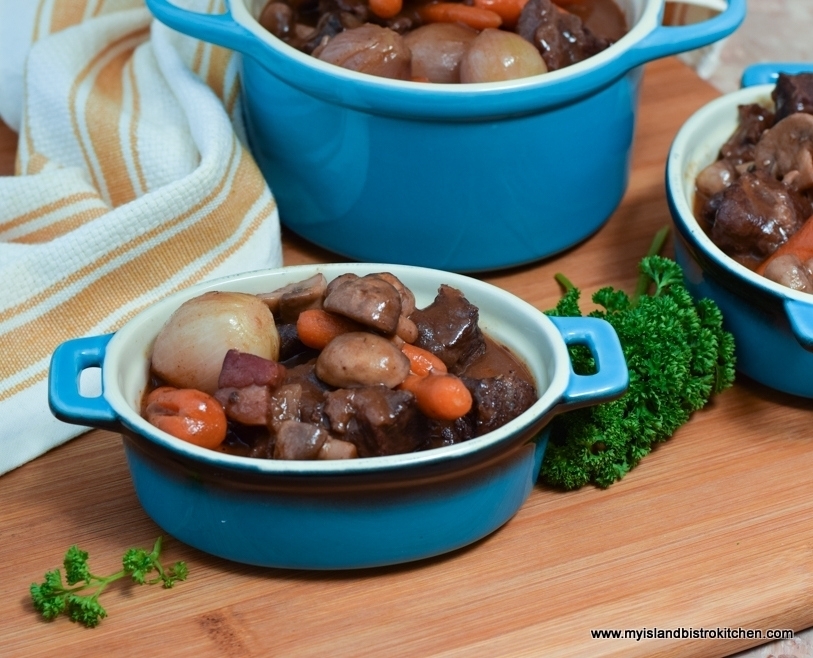
Doesn’t the mere sound of the name Beef Bourguignon conjure up the notion that it is some exotic dish you would expect to find in a French bistro? Guess what? You can easily make this classic French cuisine dish at home! Simple ingredients, economical cuts of beef, and time are all that is required.
Braising
Made with basic ingredients, what makes Beef Bourguignon so wonderful is the cooking method known as braising. Used in many recipes, braising is simply using a long, slow, moist heat method of cooking tougher cuts of meat in a liquid such as red wine and/or beef stock to tenderize the meat.
This method of cooking is great to use for cuts of meat known to be on the tougher side because the combination of moist heat, low cooking temperature, lengthy cooking time, and a flavorful liquid breaks down the connective tissues (collagen) in the meat, melting it into a silky gelatin. This results in divinely tender and succulent meat that will easily break apart with a fork.
Cuts of meat suitable for braising are cuts of muscular meats like chuck or beef cheeks, for example. These cuts from the highly exercised parts of the animal are ones known to have lots of collagen that, like magic, when cooked long and slow, turn tough cuts of meat into soft gelatin that will break apart with the touch of a fork. If you don’t need a knife to cut the meat, you have yourself a dandy Beef Bourguignon! Using more premium cuts of beef will not become more fork tender than the cheaper cuts in this dish so, save your money, and buy the economical cuts.
Braising can be done on the cooktop over low heat but oven braising will provide more even heating and will reduce the risk of burning the meat. Braising on the stovetop will result in more heat directly hitting the bottom of the pot specifically as opposed to oven braising where the heat is more evenly distributed to all sides of the cooking vessel.
Beef Bourguignon is not difficult to make but there are several steps involved and some time has to be dedicated to it. It’s not a dish you would start for dinner after arriving home from work at 5:00pm.
There are many versions of this dish and various ways in which to prepare it. What follows is the method that works well for me.
Choosing the Meat
Both pork and beef are used in this dish.
Pork
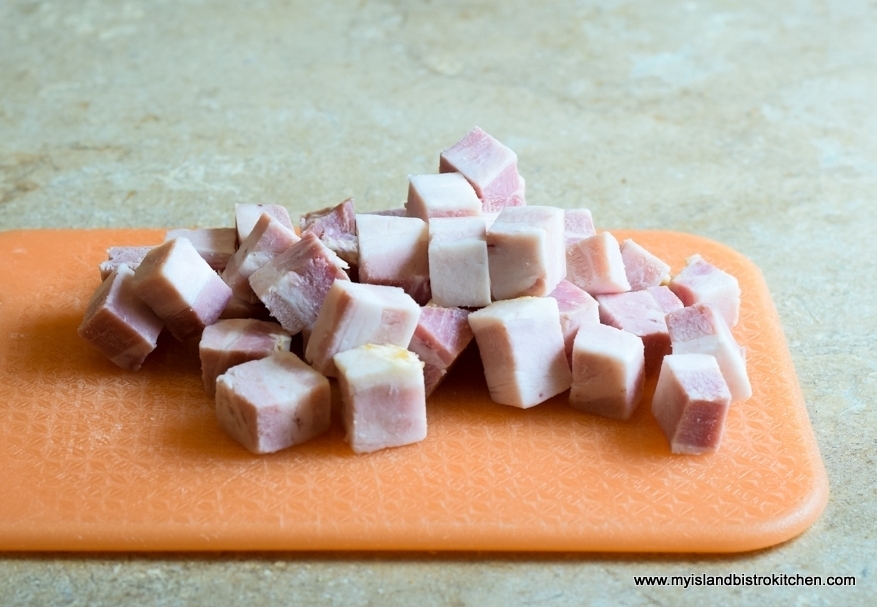
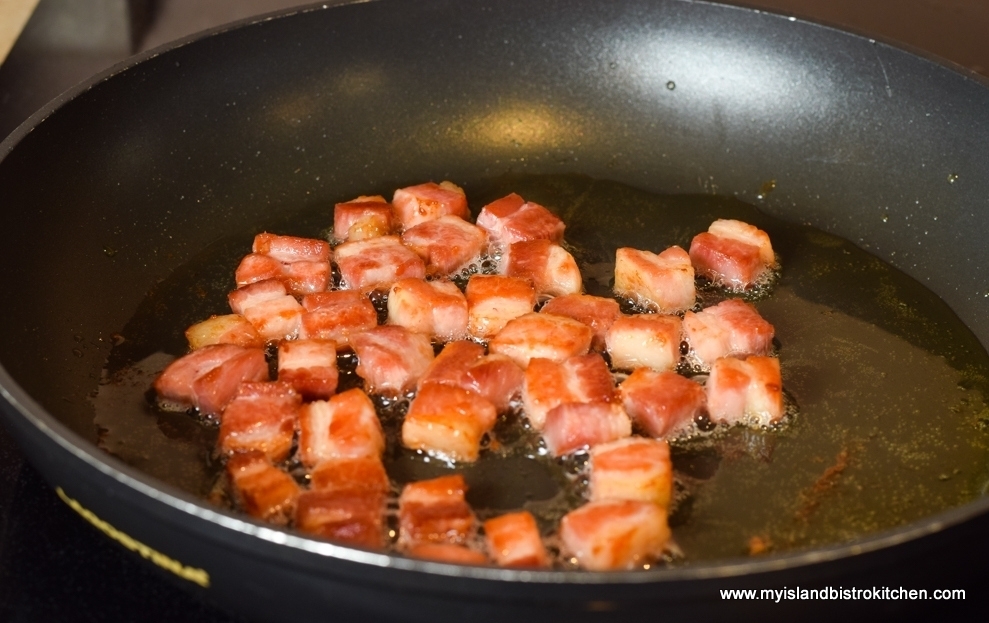
Pork lardons add a lovely texture and layer of flavour richness to Beef Bourguignon.. Lardon is another name for thick, fatty salt pork, much thicker than the thin bacon strips found, pre-packaged, in supermarkets. While the lardons, themselves, lend wonderful texture and flavor to the dish, it is their rendered fat that is prized for the rich flavour it gives to the beef as it is seared before it is braised.
Pork Lardons
I recommend using the lardons over the thin bacon because the thickness of the lardons allows them to keep their shape when fried. You may need to go directly to a butcher shop (as opposed to a standard supermarket) to get the lardons. I went to a local butcher, KJL Meats, here in Charlottetown and, as soon as I said what I was making, the butcher knew exactly what I was looking for and he actually cut the lardons into suitably-sized chunks for me!
The lardons are cooked until the fat in them has been rendered out. That flavorful fat is then used to sear the beef, keeping all the wonderful flavor in the dish.
Pork Lardons
Beef
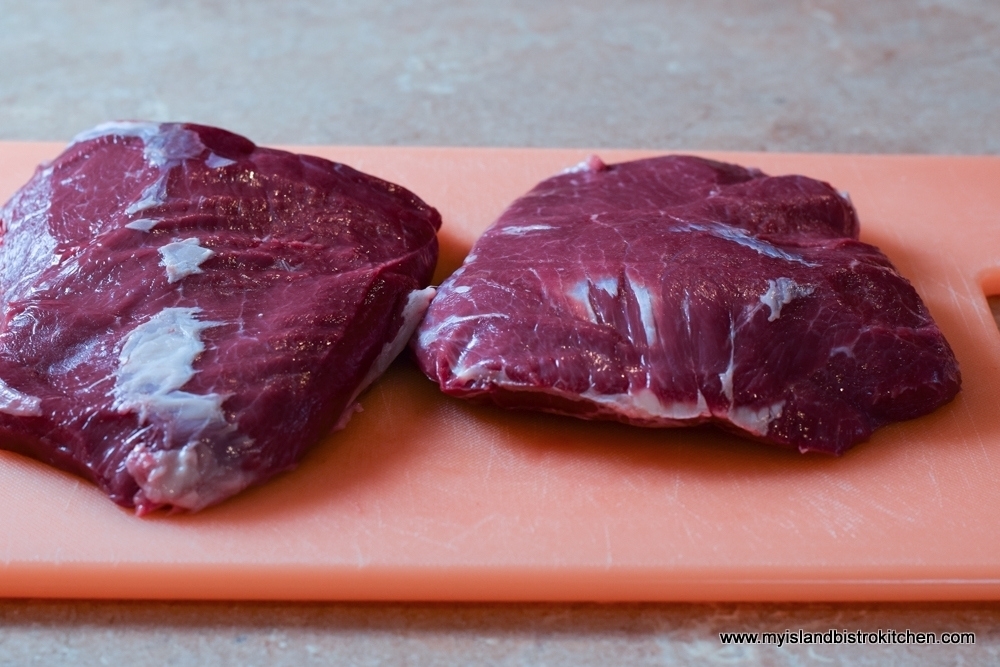
As mentioned, one of the best things about Beef Bourguignon is that economical cuts of beef are used. My preference is to use beef cheeks for this recipe though chuck also works very well. Some marbling in the meat is also beneficial as the slow cooking process will melt the fat and turn it into a melt-in-your-mouth gelatin. The transformation is absolutely amazing!
To get exactly what I want for meat, I go directly to a local butcher – it’s local PEI beef and it’s fresh. The meat in the photographs came from MacQuarrie’s Meats in Milton, on the outskirts of Charlottetown. Depending on where you live and what your local butchers keep on hand, you may need to pre-order specific cuts, such as beef cheeks, from your local butcher.
Beef Cheeks
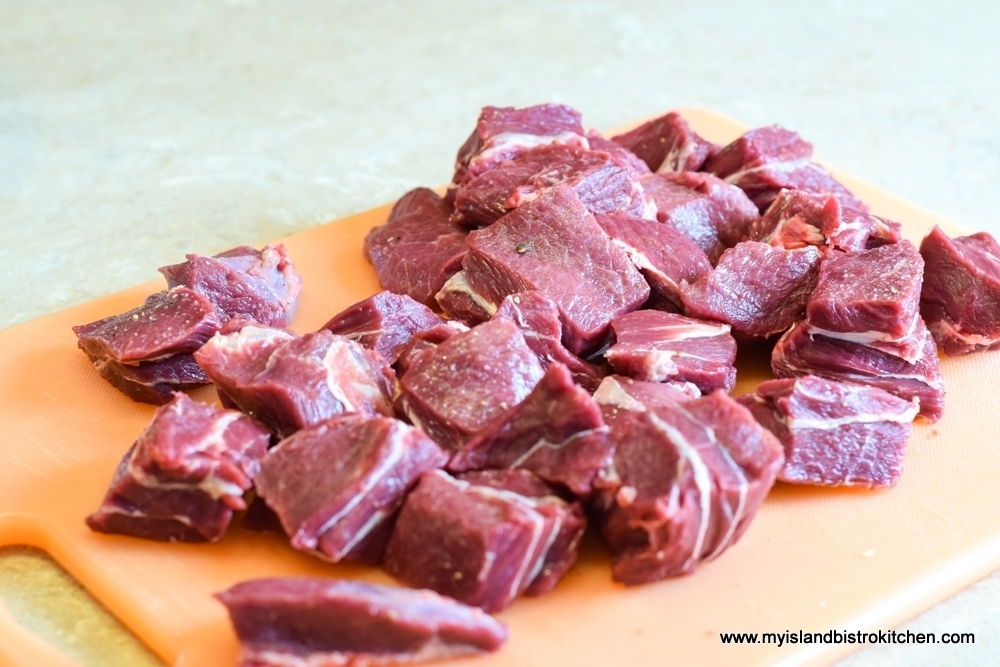
If there happens to be any excess hard fat or tendons still visible on the meat, remove them. Pat the meat dry with paper towel – this will help the cornstarch or flour stick to the meat when it is dredged before being seared. Season the meat with sea salt and freshly ground pepper.
Beef Cheeks cut for Beef Bourguignon
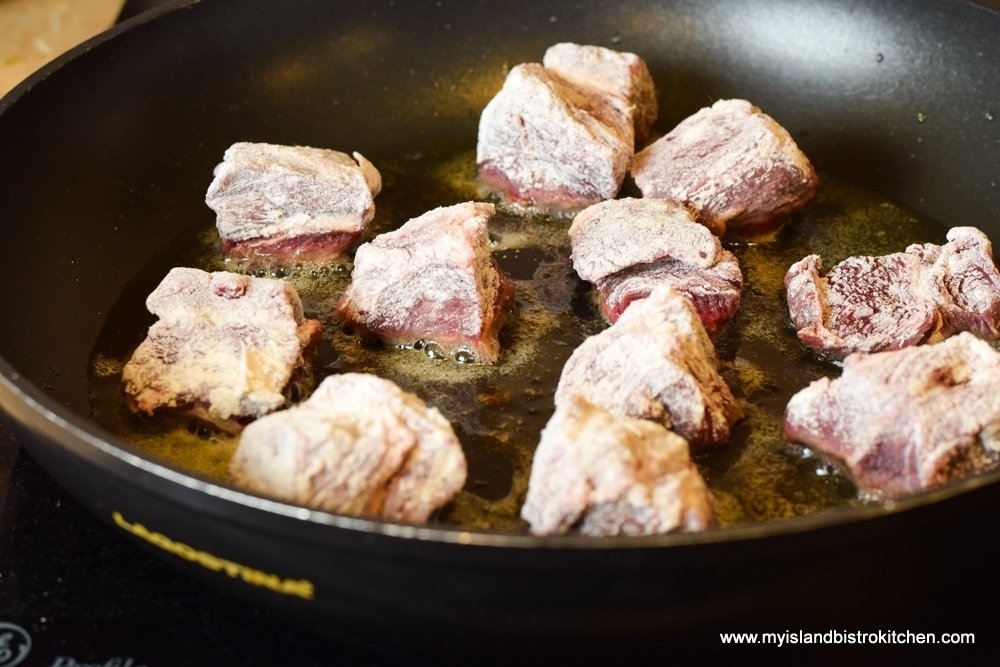
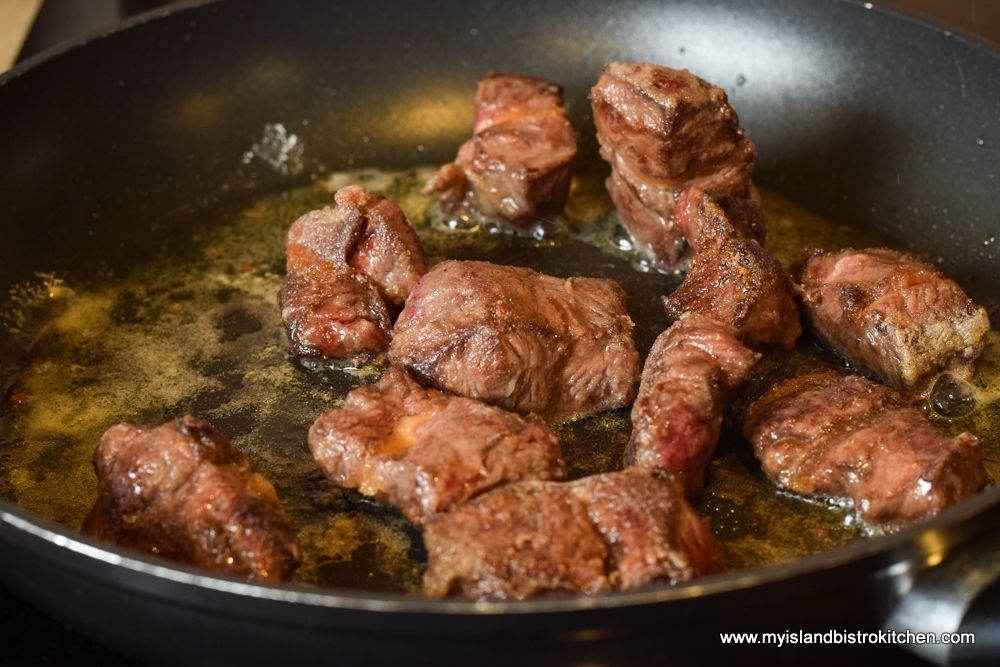
Cut the meat into rather large chunks – approximately 2” pieces. This is meant to be a rustic dish and cutting the meat any smaller may cause the meat to dry out faster and it won’t have the same presentation as if the chunks are larger. Once the meat is dredged in the cornstarch or flour, sear it over medium-high heat in the lardon fat.
Searing Beef for Beef Bourguignon
Searing the meat before simmering it in the cooking liquid is known as brown braising. This will add depth of flavour as the meat caramelizes while a brown crust forms on the beef. This ‘browning” will not only add flavor but it will help produce a rich brown sauce. Don’t try to speed up the process by over-crowding all the meat pieces into the pan at once. Work in batches and leave some space between the chunks of meat so they brown nicely. The aim of this process is to sear the meat, not steam it or cook it all the way through.
Searing Beef for Beef Bourguignon
Making the Bouquet Garni
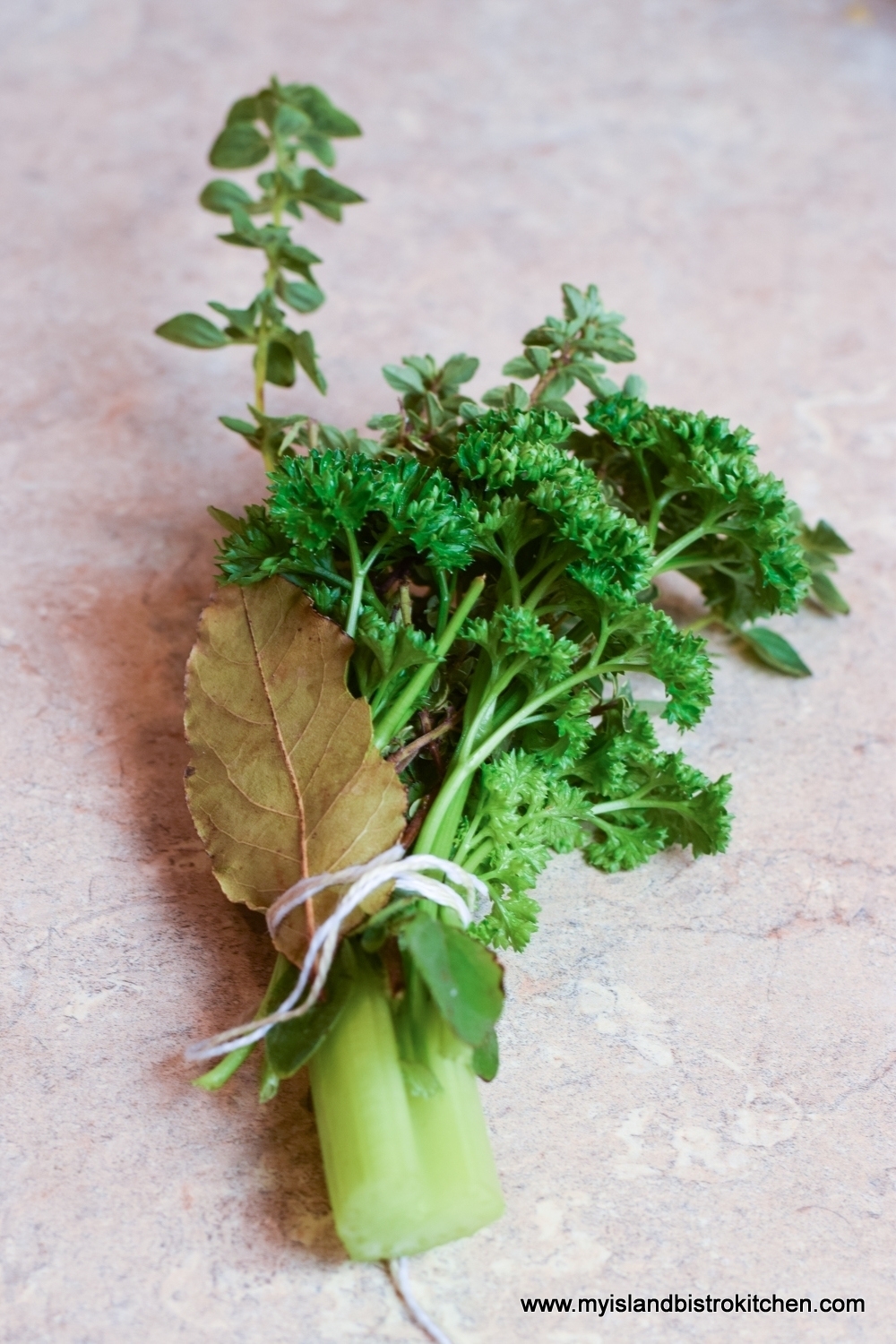
Fresh herbs really do make the difference in this dish. You will need two to three sprigs each of fresh thyme and parsley along with two dried bay leaves. These are easily tied together with kitchen string/twine. Insert 4 whole cloves into the center of a 6” strip of celery and tie the herbs to the celery. This bouquet will get dropped into the braising liquid to flavour it as the meat cooks.
Bouquet Garni
When the Bourguignon is cooked, the bouquet garni is removed and discarded.
Preparing the Braising Liquid
Once the meat has been seared, there will be caramelized brown bits (known as fond) left in the pan. This bears wonderful flavour and will help to color the braising liquid. Deglaze the pan with either red wine, brandy, or beef stock, scraping up the flavorful brown bits. I find the brandy adds a layer of flavour complexity, richness, and depth to this dish.
Some basic aromatics always form a good basis for any braising dish. Cook some coarsely chopped onion in some olive oil and butter. Butter (which gives fabulous flavour) tends to burn easily which causes some flavour deterioration. Olive oil, however, does not burn so quickly so heating it first then adding the butter prevents the butter from burning and yet still gives the dish some buttery flavour. Add some garlic and just a bit of tomato paste and then, of course the red wine which, next to the beef, is the signature ingredient in Beef Bourguignon. It’s really not Beef Bourguignon if there is no red wine in this dish!
The acidic properties in the red wine not only add flavour to the dish but, importantly, soften muscle fibres and generate melt-in-your-mouth quality meat. I recommend using a dry red wine. While technically any dry red wine will work in this dish, I like to use a Pinot Noir that has earthy notes to it – it tends to be a wine that goes well with all sorts of red meat. There is no need to go with the best wine on the market for this dish but I do suggest using one you would be prepared to drink. When I am pairing a wine to drink with Beef Bourguignon, I use the same wine at the table as has been used in the Bourguignon. Don’t use a supermarket “cooking wine” for Beef Bourguignon. No, just don’t do it!
Bistro Style Beef Bourguignon
Slowly boiling the wine for 4-5 minutes will burn off the raw alcohol. This dish is not meant to reek of the wine; rather, the role of the wine is, yes, partly to flavour the sauce in a good way but, more importantly, to tenderize the meat.
Any beef stock can be used in this dish, either homemade (click here for my recipe) or purchased. Adding the beef stock (as opposed to only using wine), adds a layer of flavour. In my opinion, using only wine would make the resulting sauce too strong. If the first taste I get from Beef Bourguignon is a heavy wine taste, that tells me too much wine was used in the braising liquid. The hallmark of a well-prepared dish is the subtle layers of flavours that build the overall flavour profile and one flavour should not dominate the others in a negative way.
With braising, the braising liquid should not entirely cover the meat; rather, it should cover no more than about one-half to two-thirds of the meat. If you “swim” the meat, that’s a stew and, unlike with the braising method, tough cuts of meat will not tenderize using a stewing method. In addition, adding too much liquid will dilute the sauce and flavour. It’s also important that the braising liquid just simmer, not boil. Check the Bourguignon as it braises. If it is actively bubbling/vigorously boiling, reduce the oven temperature.
Keep the pot covered tightly to keep the moist heat in. Otherwise, the braising liquid will evaporate and the meat will be subject to some drying. Dutch ovens are often used for braising because they have the width for the contents to evenly cook and they have tight fitting covers. Other cooking vessels with tight-fitting lids, such as a high-sided casserole dish, will work equally well. The important thing is to use a vessel that allows the sauce to surround, not completely submerge, the meat.
There are many schools of thought on what the “correct” braising temperature should be. I am not sure there is one. My preference is around 275°F. The aim is to keep the braising liquid from actively boiling because the premise behind braising is to let the meat cook very slowly allowing it to tenderize. High temperatures can result in dryer meat. Additionally, since my recipe calls for a starch thickener for the braising liquid, a high cooking temperature will break down the starch causing it to lose its thickening power resulting in a watery thin sauce. As a general rule of thumb, or frame of reference, the sauce should be thick enough to coat the back of a spoon.
Vegetables
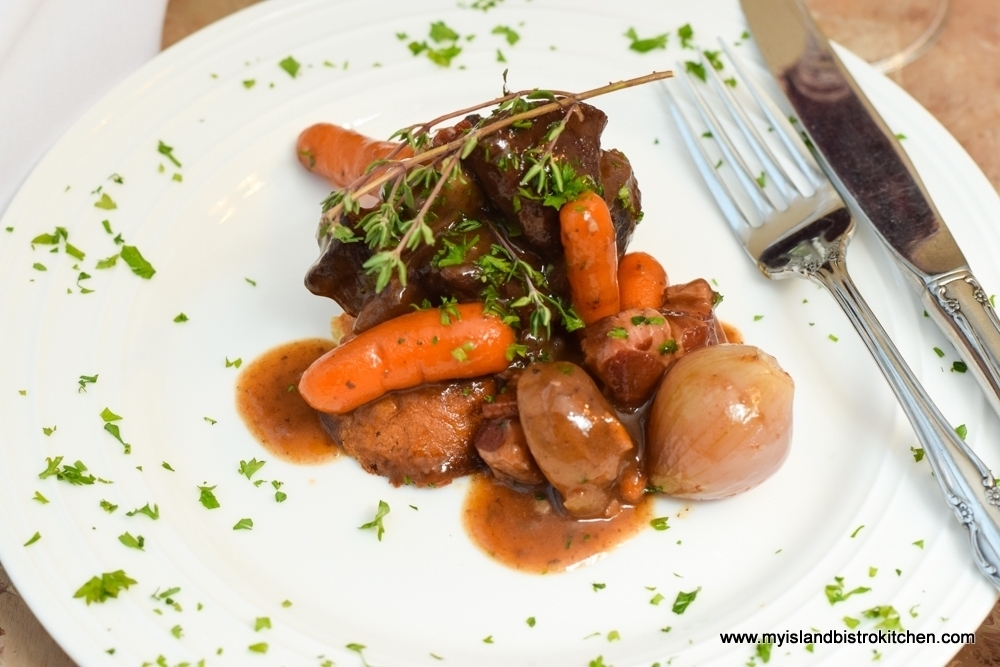
Beef Bourguignon does not contain a lot of vegetables, or varieties of vegetables. Typically, it only has carrots, mushrooms, and either tiny pearl onions or shallots. It’s all about the beef in this dish and the other additions serve only as flavour contributors that, themselves, absorb the wonderful savory flavours in the braising liquid. There are enough vegetables in the Bourguignon, however, that it generally is not necessary to add a side of vegetables (except perhaps mashed potatoes) to serve with the Bourguignon.
Bistro Style Beef Bourguignon
Serving Suggestions
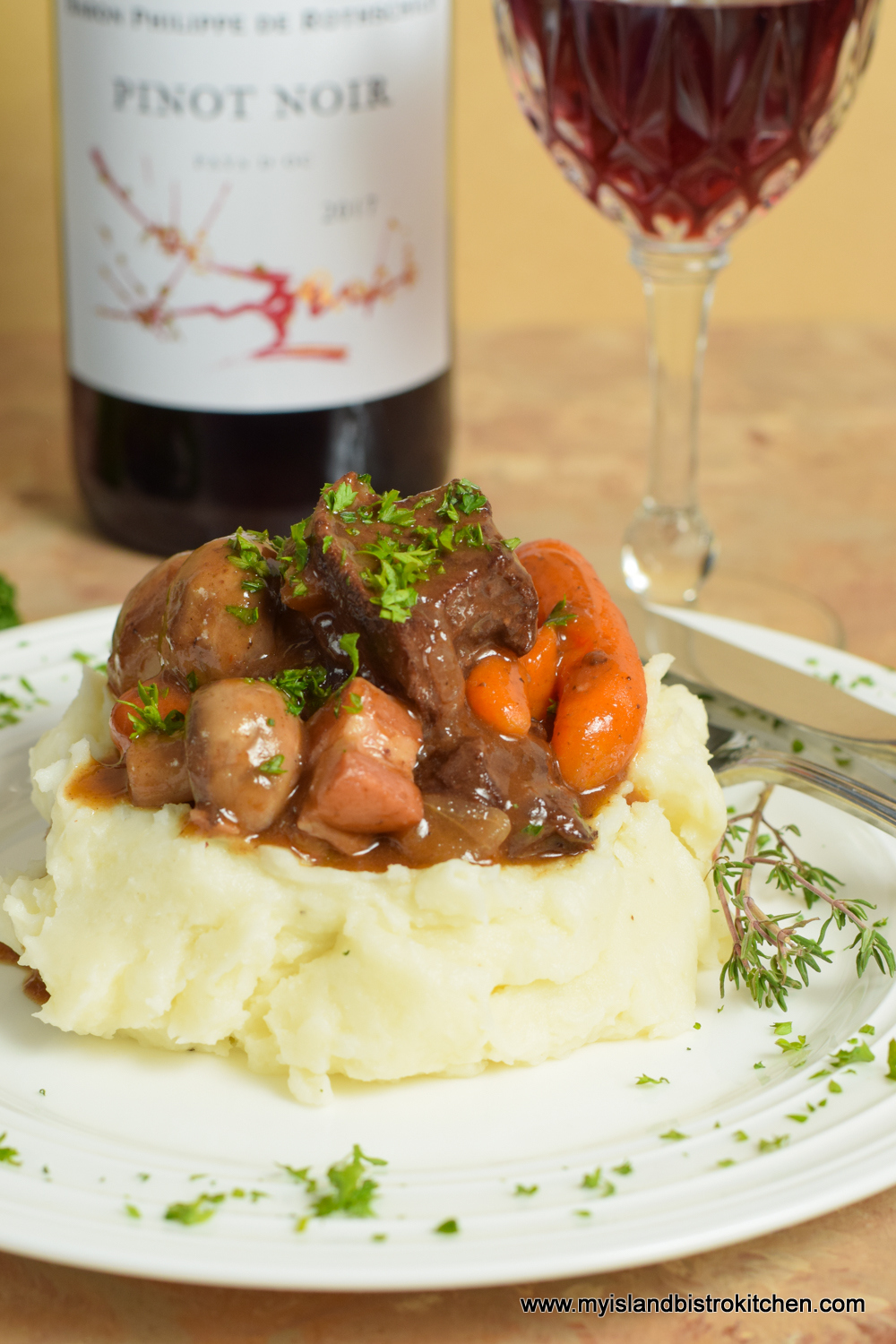
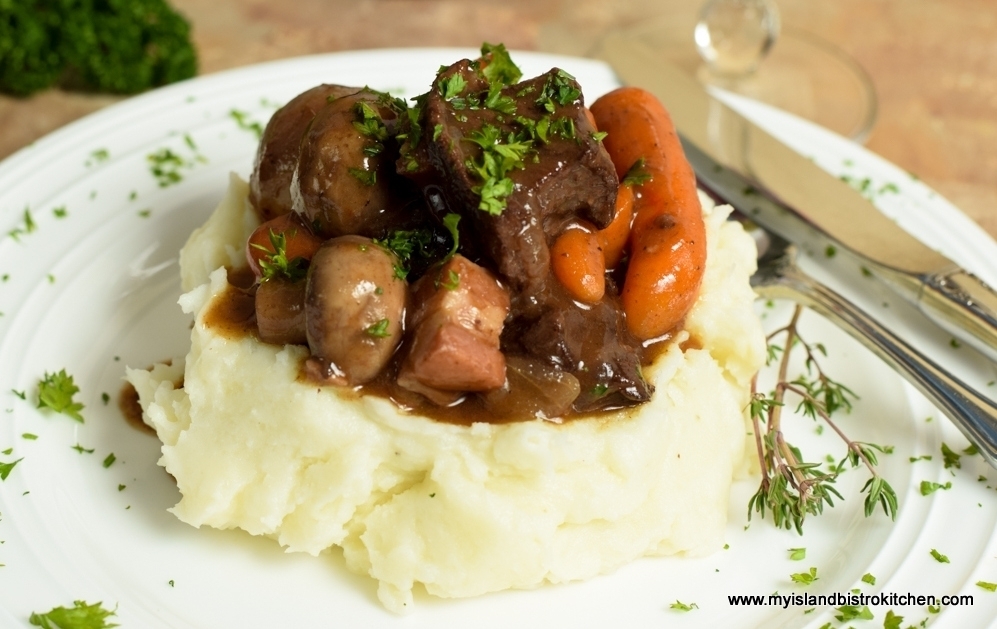
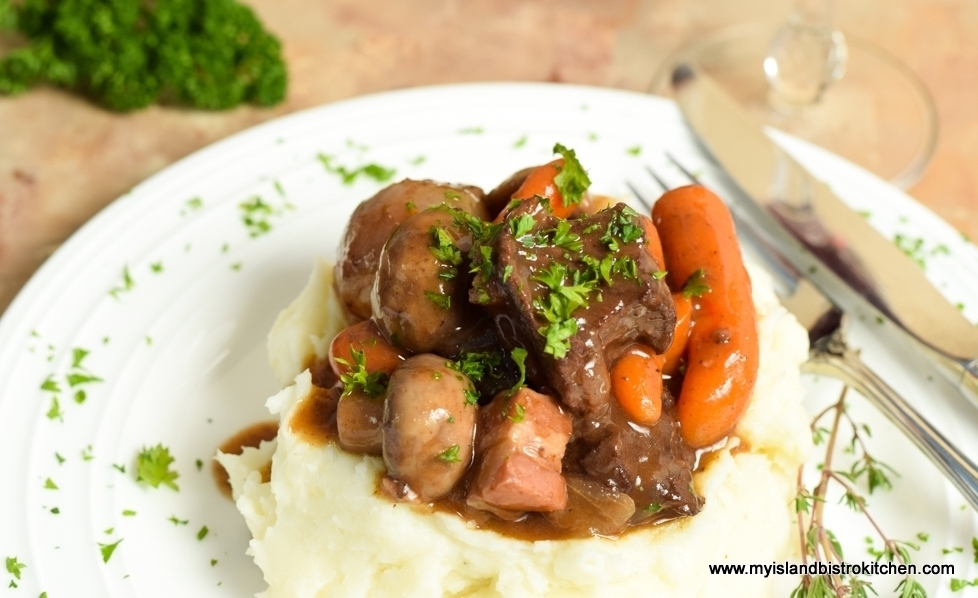
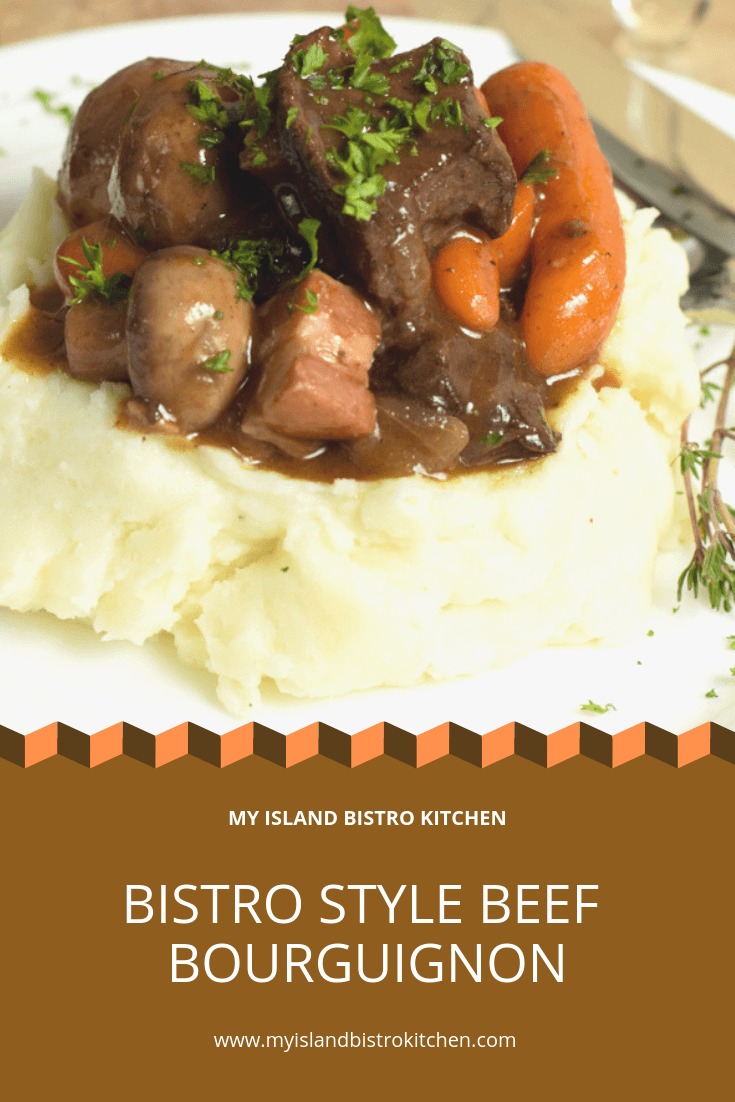
My favorite way to serve Beef Bourguignon is with whipped mashed potatoes seasoned with butter and garlic. The wonderfully rich sauce from the Bourguignon pairs very well with the potatoes.
Bistro Style Beef Bourguignon Served with Whipped Garlic Seasoned Mashed Potatoes
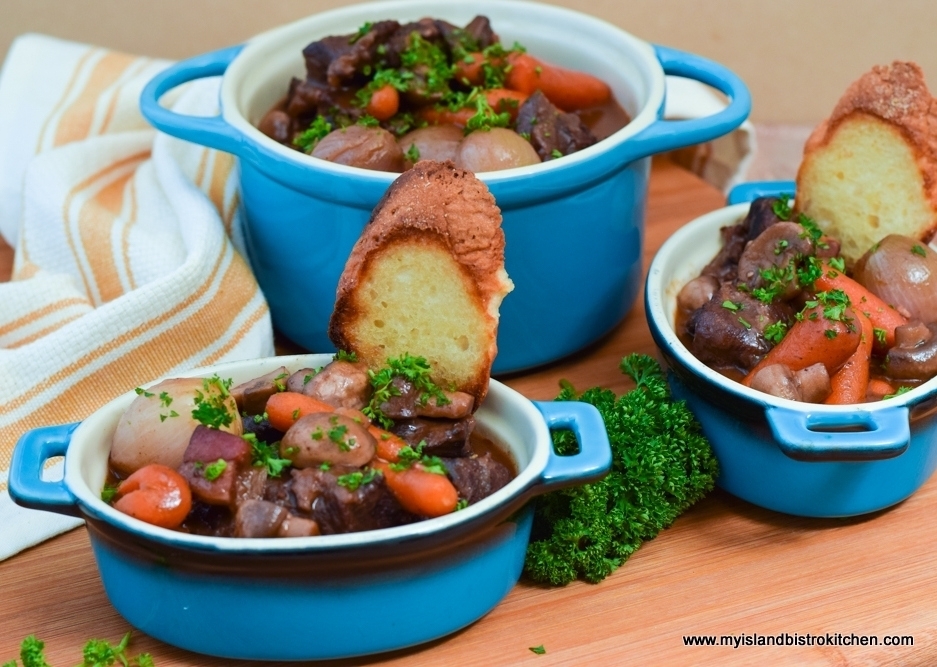
Beef Bourguignon can also be served on, or with, plain toast or garlic bread which can be used to soak up the flavorful sauce. You want to capture every last bite of this delectable sauce!
Bistro Style Beef Bourguignon
This dish freezes well and is part of my batch cooking repertoire. It reheats well in the microwave.
Bistro Style Beef Bourguignon
The recipe for Beef Bourguignon may look a bit complicated but it really is not if the process is organized. Read through the recipe and plan your work and you can produce restaurant-quality food at home. Measure out all the ingredients and do all the chopping and ingredient preparation before beginning the actual cooking.
[Printable recipe follows at end of post]
Beef Bourguignon
Ingredients:
For the bouquet garni:
3 sprigs fresh thyme
3 sprigs fresh parsley
2 large dried bay leaves
4 whole cloves
6” piece of celery rib
2 tsp olive oil
7 oz bacon lardons, cut into chunks approximately ¼“ – 1/3“ thick x 1” long
1½ – 2 lbs beef cheeks or beef chuck
3 tbsp cornstarch or flour
Fine sea salt
Freshly ground pepper
1½ tbsp brandy (or red wine)
1 tbsp olive oil
½ tbsp butter
½ cup onion, coarsely chopped
2 tbsp tomato paste
2 cloves garlic, chopped
1 2/3 cup dry red wine
1½ cups warm beef stock
1 tbsp butter
½ tbsp olive oil
12 oz baby carrots
8 – 10 small shallots or pearl onions
1 tbsp olive oil
1 tbsp butter
8 oz small button mushrooms, halved or quartered (depending on size of mushrooms)
½ cup dry red wine
Method:
Make a bouquet garni consisting of 3 sprigs each of fresh thyme and parsley tied with kitchen string/twine along with 2 large bay leaves. Insert 4 whole cloves into center of a 6” piece of celery rib. Tie the herbs and bay leaves to the celery rib. Set aside.
Heat 2 tsp olive oil in sauté pan over medium heat. Add the bacon lardons. Cook over medium-low heat for approximately 12-15 minutes, until lardons are crisp and brown and the fat has been rendered from the lardons. Remove the lardons with a slotted spoon and transfer to paper towel-lined bowl or plate. Reserve the rendered fat in the pan.
Pat beef dry with paper towel. Season the beef with salt and pepper and cut into chunks approximately 2” in size, removing any excess fat, tendons, and sinew.
Place the cornstarch or flour and the sea salt and pepper into small plastic bag. Shake well to mix. Set aside.
Increase the heat under the sauté pan containing the lardon fat to medium-high. Working in small batches, two to three chunks at a time, dredge the beef chunks in the cornstarch or flour mixture, shaking off any excess. Place the beef chunks in the hot pan, leaving space between each chunk. Sear the meat. Using tongs, turn the meat to brown all sides. Do not overcook – just cook long enough to brown the beef, a minute or two per side. Transfer the seared meat to a 4-quart Dutch oven, casserole dish, or small roaster.
Preheat oven to 275°F.
With the pan (in which the beef was seared) off the heat, add either 1½ tbsp brandy, red wine, or beef stock and stir. Return pan to medium-low heat and deglaze the pan by using a wooden spoon to scrape up any caramelized brown bits remaining in the pan after the meat was seared. Once all the brown bits have been loosened and mixed in with the deglazing liquid, add 1 tablespoon of olive oil then the ½ tablespoon of butter. Add the chopped onions and, over medium heat and stirring constantly, sauté until the onions begin to become translucent. Add the tomato paste and chopped garlic and stir to prevent burning, about 20-30 seconds.
Remove pan from heat and add 1 2/3 cups red wine to the onion-garlic mixture. Increase heat to high, return pan to heat, and bring mixture to a boil then immediately reduce heat to a slow boil. Boil slowly for 4-5 minutes to boil off the raw alcohol in the wine. Add the beef stock. Cook over low heat 2-3 minutes. Stir in half of the bacon lardons, reserving the remainder.
Transfer the onion, wine, beef stock, and lardon mixture to the casserole containing the seared meat. Add the prepared bouquet garni, pressing it gently into the braising liquid. The liquid should cover approximately one-half to two-thirds of the meat. Place lid on casserole dish and transfer it to the preheated oven and cook for about 2½ hours. If the braising liquid is still very thin at the 2½ hour point, add about 1 tablespoon of cornstarch or flour whisked together with 2 – 2½ tablespoons water or beef stock and some of the hot braising liquid to temper the mixture. Stir into braising liquid gently. Regardless whether additional thickening agent is added, return the casserole to oven to cook for 30 more minutes, or until meat is tender to the touch of a fork.
Meanwhile, add 1 tbsp olive oil and 1 tbsp butter to a clean sauté pan placed over medium high heat. Add the carrots and whole shallots or pearl onions. Stir fry for about 5 minutes until the carrots are slightly beginning to soften and both the carrots and onions are lightly tanned with color. Add the stir-fried vegetables to the meat casserole. Return the lid to the casserole and continue slow cooking for approximately 20 minutes. After the 20 minutes, if the braising liquid still does not coat the back of a spoon, add an additional ½ to 1 tablespoon cornstarch or flour mixed with 2 tablespoons beef stock or water and a little hot braising liquid, whisked together.
In clean sauté pan, over medium-high heat, heat 1 tbsp olive oil and 1 tbsp butter. Add the mushrooms and stir fry for 2 minutes. Sprinkle with salt and pepper and add the remaining lardons. Stir fry for 2-3 minutes longer then reduce heat to medium-low and add ½ cup red wine. Cook for 4-5 minutes longer at a very slow boil. Transfer mixture to the casserole and cook for 45 minutes longer, or until carrots are cooked and the beef breaks apart easily with the light pressure from a fork. Remove and discard the bouquet garni. Serve with whipped garlic potatoes, toasted French bread, or a crusty bread.
Yield: Apx. 8 servings
If you have made this recipe and enjoyed it and/or wish to share it with your friends and family, please do so on social media but be sure to share the direct link to this posting from my website.
Connect with My Island Bistro Kitchen on Social Media
Follow “the Bistro” on Pinterest at https://www.pinterest.ca/peibistro/ and pin the Pinterest-ready photo found at the end of this post to your favorite Pinterest boards.
One of the best French classic dishes, Beef Bourguignon is made with beef, pork, carrots, onions, and mushrooms all braised and slow cooked in a rich red wine and beef stock sauce
Course
Main Course
Cuisine
French
Keyword
Beef Bourguignon
Servings8
My Island Bistro KitchenMy Island Bistro Kitchen
Ingredients
3sprigs fresh thyme
3sprigs fresh parsley
2large dried bay leaves
4whole cloves
6” piece of celery rib
2tspolive oil
7ozbacon lardons, cut into chunks approximately ¼“ – 1/3“ thick x 1” long
1½ - 2lbsbeef cheeks or beef chuck
3tbspcornstarch or flour
Fine sea salt
Freshly ground pepper
1½tbspbrandy, or red wine
1tbspolive oil
½tbspbutter
½cuponion, coarsely chopped
2tbsptomato paste
2clovesgarlic, chopped
1 2/3cupdry red wine
1½cupswarm beef stock
1tbspcornstarch or flour
2– 2½ tbsp beef stock, or water
1tbspbutter
½tbspolive oil
12ozbaby carrots
8– 10 small shallots or pearl onions
1tbspolive oil
1tbspbutter
8ozsmall button mushrooms, halved or quartered (depending on size of mushrooms)
½cupdry red wine
Instructions
Make a bouquet garni consisting of 3 sprigs each of fresh thyme and parsley tied with kitchen string/twine along with 2 large bay leaves. Insert 4 whole cloves into center of a 6” piece of celery rib. Tie the herbs and bay leaves to the celery rib. Set aside.
Heat 2 tsp olive oil in sauté pan over medium heat. Add the bacon lardons. Cook over medium-low heat for approximately 12-15 minutes, until lardons are crisp and brown and the fat has been rendered from the lardons. Remove the lardons with a slotted spoon and transfer to paper towel-lined bowl or plate. Reserve the rendered fat in the pan.
Pat beef dry with paper towel. Season the beef with salt and pepper and cut into chunks approximately 2” in size, removing any excess fat, tendons, and sinew.
Place the cornstarch or flour and the sea salt and pepper into small plastic bag. Shake well to mix. Set aside.
Increase the heat under the sauté pan containing the lardon fat to medium-high. Working in small batches, two to three chunks at a time, dredge the beef chunks in the cornstarch or flour mixture, shaking off any excess. Place the beef chunks in the hot pan, leaving space between each chunk. Sear the meat. Using tongs, turn the meat to brown all sides. Do not overcook – just cook long enough to brown the beef, a minute or two per side. Transfer the seared meat to a 4-quart Dutch oven, casserole dish, or small roaster.
Preheat oven to 275°F.
With the pan (in which the beef was seared) off the heat, add either 1½ tbsp brandy, red wine, or beef stock and stir. Return pan to medium-low heat and deglaze the pan by using a wooden spoon to scrape up any caramelized brown bits remaining in the pan after the meat was seared. Once all the brown bits have been loosened and mixed in with the deglazing liquid, add 1 tablespoon of olive oil then the ½ tablespoon of butter. Add the chopped onions and, over medium heat and stirring constantly, sauté until the onions begin to become translucent. Add the tomato paste and chopped garlic and stir to prevent burning, about 20-30 seconds.
Remove pan from heat and add 1 2/3 cups red wine to the onion-garlic mixture. Stir. Increase heat to high, return pan to heat, and bring mixture to a boil then immediately reduce heat to a slow boil. Boil slowly for 4-5 minutes to boil off the raw alcohol in the wine. Add the beef stock. Cook over low heat 2-3 minutes. Stir in half of the bacon lardons, reserving the remainder.
Transfer the onion, wine, beef stock, and lardon mixture to the casserole containing the seared meat. Add the prepared bouquet garni, pressing it gently into the braising liquid. The liquid should cover approximately one-half to two-thirds of the meat. Place lid on casserole dish and transfer it to the preheated oven and cook for about 2½ hours. If the braising liquid is still very thin at the 2½ hour point, add about 1 tablespoon of cornstarch or flour whisked together with 2 – 2½ tablespoons water or beef stock and some of the hot braising liquid to temper the mixture. Stir into braising liquid gently. Regardless whether additional thickening agent is added, return the casserole to oven to cook for 30 more minutes, or until meat is tender to the touch of a fork.
Meanwhile, add 1 tbsp olive oil and 1 tbsp butter to a clean sauté pan placed over medium high heat. Add the carrots and whole shallots or pearl onions. Stir fry for about 5 minutes until the carrots are slightly beginning to soften and both the carrots and onions are lightly tanned with color. Add the stir-fried vegetables to the meat casserole. Return the lid to the casserole and continue slow cooking for approximately 20 minutes. After the 20 minutes, if the braising liquid still does not coat the back of a spoon, add an additional ½ to 1 tablespoon cornstarch or flour mixed with 2 tablespoons beef stock or water and a little hot braising liquid, whisked together.
In clean sauté pan, over medium-high heat, heat 1 tbsp olive oil and 1 tbsp butter. Add the mushrooms and stir fry for 2 minutes. Sprinkle with salt and pepper and add the remaining lardons. Stir fry for 2-3 minutes longer then reduce heat to medium-low and add ½ cup red wine. Cook for 4-5 minutes longer at a very slow boil. Transfer mixture to the casserole and cook for 45 minutes longer, or until carrots are cooked and the beef breaks apart easily with the light pressure from a fork. Remove and discard the bouquet garni. Serve with whipped garlic potatoes, toasted French bread, or a crusty bread.
I love a bowl of chili, especially on a cold fall or winter day. I also like the chili to have lots of texture and flavour and to be well-filled, hearty, and not be too watery. This recipe for Chicken and Pumpkin Chili has a lovely flavour profile owing to the selection of ingredients and a curated blend of spices to complement the core ingredients. Continue reading Chicken and Pumpkin Chili→
Seven years ago, today, I created My Island Bistro Kitchen Food Blog. On this, my 7th Blogiversary, I am going to take this opportunity to give a shout-out to three people who were instrumental in inspiring my love of working with food and in cultivating my culinary skills.
First, my mother. She never shooed me away when she was preparing food. I’d see the yellow melamine bowl and Rubbermaid spatula appearing and I’d immediately find my little apron and pull a kitchen chair to the counter, not wanting to miss a minute of the fun! Not once did my mother ever tell me to go off and play instead of standing at her elbow as she prepared food. Rather, she’d let me stir whatever was being made and would explain the order in which the ingredients were to be added. Once the mixture got to the point that it needed a little more muscle than I had, my mother would take over and I’d still stand by her side, watching and absorbing all the steps and learning. Sweet culinary memories.
Second, my grandmother. She was, by no means, a fancy cook but what she prepared was mighty tasty. She had a really large wooden pastry board that she’d heave on to the pantry table. I loved when it was molasses or sugar cookie baking day because I always got to cut out the cookies that Gram would bake in her wood stove oven. And, when she would be making the Christmas Scotch cookies, I’d sit in her rocking chair with the big brown crockware bowl on my knee and cream her homemade butter. I still have her floral flour sifter (still works like a charm) and her small collection of cookie cutters (she would be beyond thrilled that I kept them and still prize them). I remember well the day she coached me through making my first batch of bread at the age of 13. She was so incredibly proud that day that I wondered how we’d ever fit this petite woman through the door!
Third, my high school home economics teacher. Young and fresh out of university, we hit the jackpot when an enthusiastic home economics teacher arrived at our rural high school when I was in grade 9. Super organized and always arriving at class with a solid lesson plan, she solidified my love of learning about, and preparing, foods. I literally spent hours pouring over my class notes. And, I still have some of the teacher’s recipes from foods we made in class!
These three people may never have realized the influence they had on my lifelong love of everything culinary but each certainly played a key role. So, for that reason, I am acknowledging their role in how this food blogger and passionate home cook became a lifelong foodie.
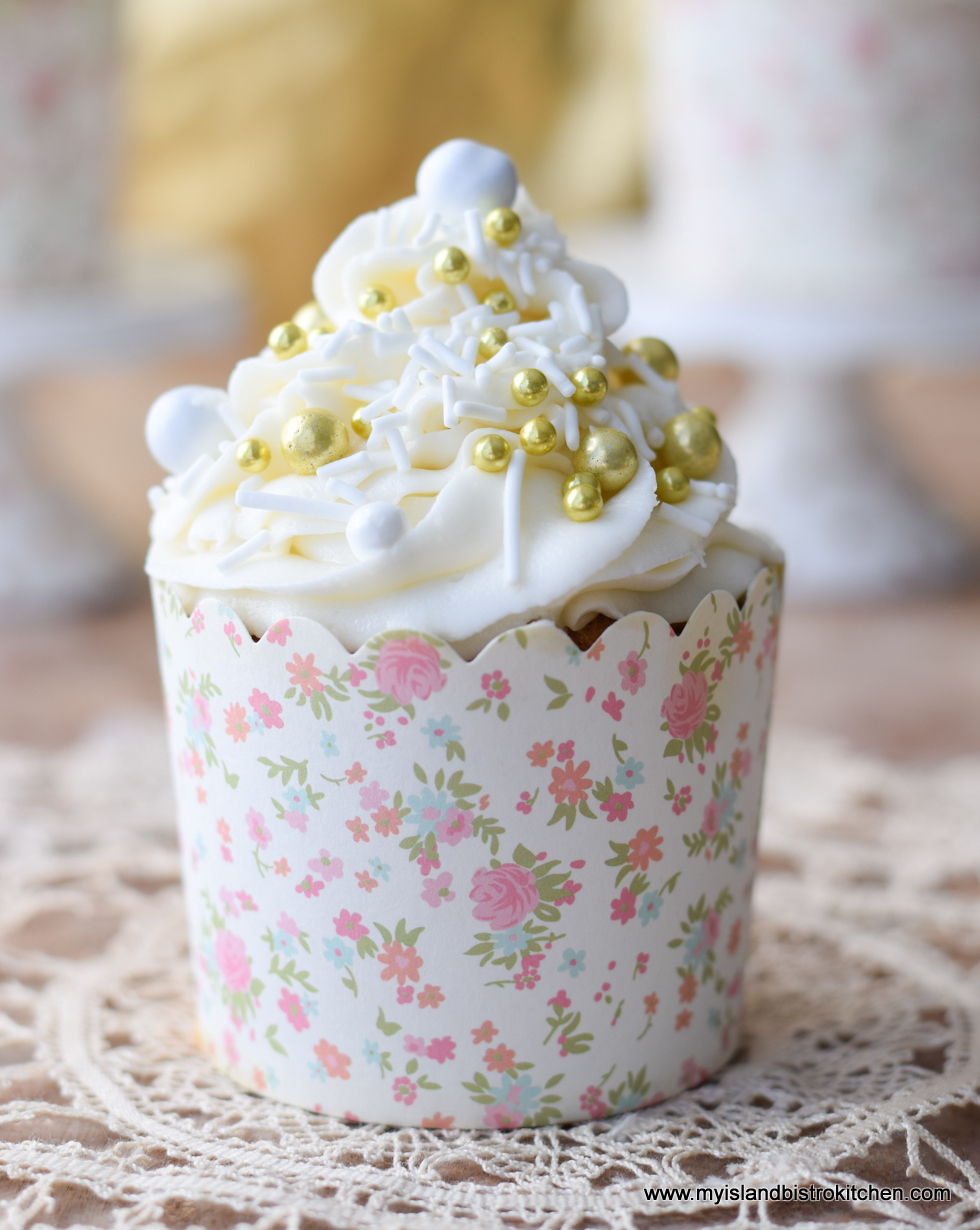
Blogiversary Cupcakes
Someone probably inspired your love of food, cooking, and/or baking. Who was your biggest influencer or culinary mentor?
To check out my previous Blogiversary celebrations, click on the links below:
Did you know you can connect with My Island Bistro Kitchen through the following social media channels? Click on the hotlinks below to join “the Bistro” followers!
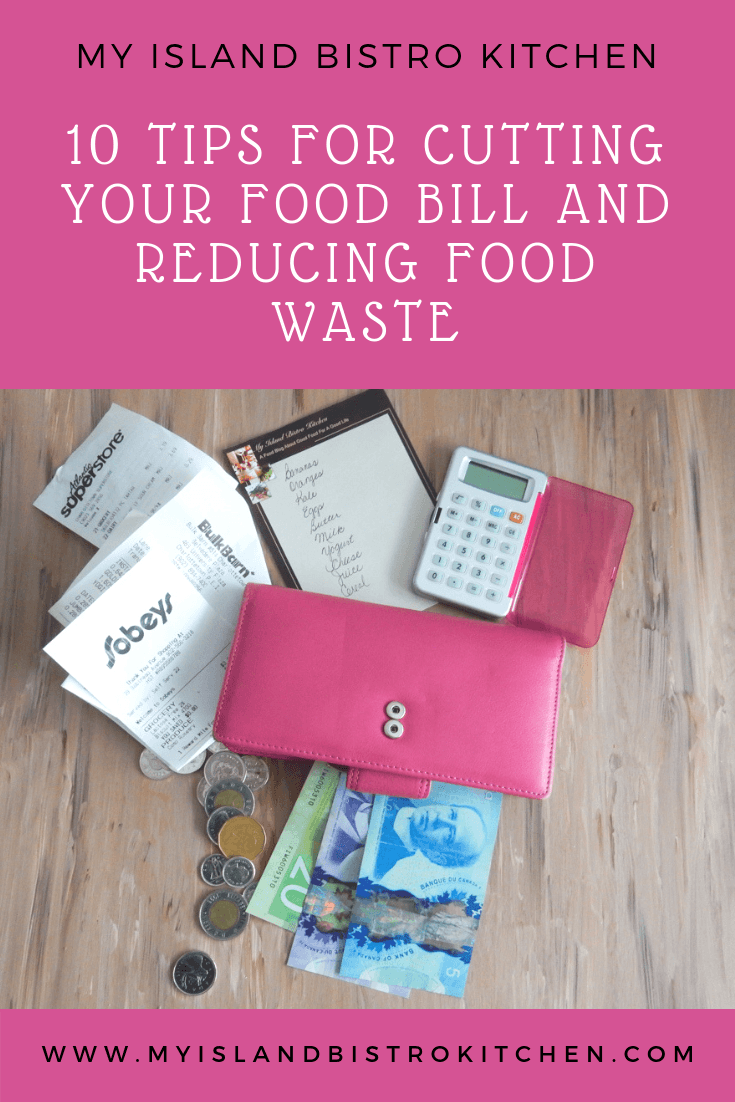
With continuously rising food prices, many people find it necessary to cut corners on their grocery bill and that can be a challenge. There are several ways in which I keep my food bill in check and reduce food waste. Here are my 10 top tips:
Cut Back on Eating Out
It’s easy to fall into the “convenience food” trap. The old “I just don’t have time to prepare homemade food” trap comes with a hefty price – both in terms of money spent on food and in nutritional value.
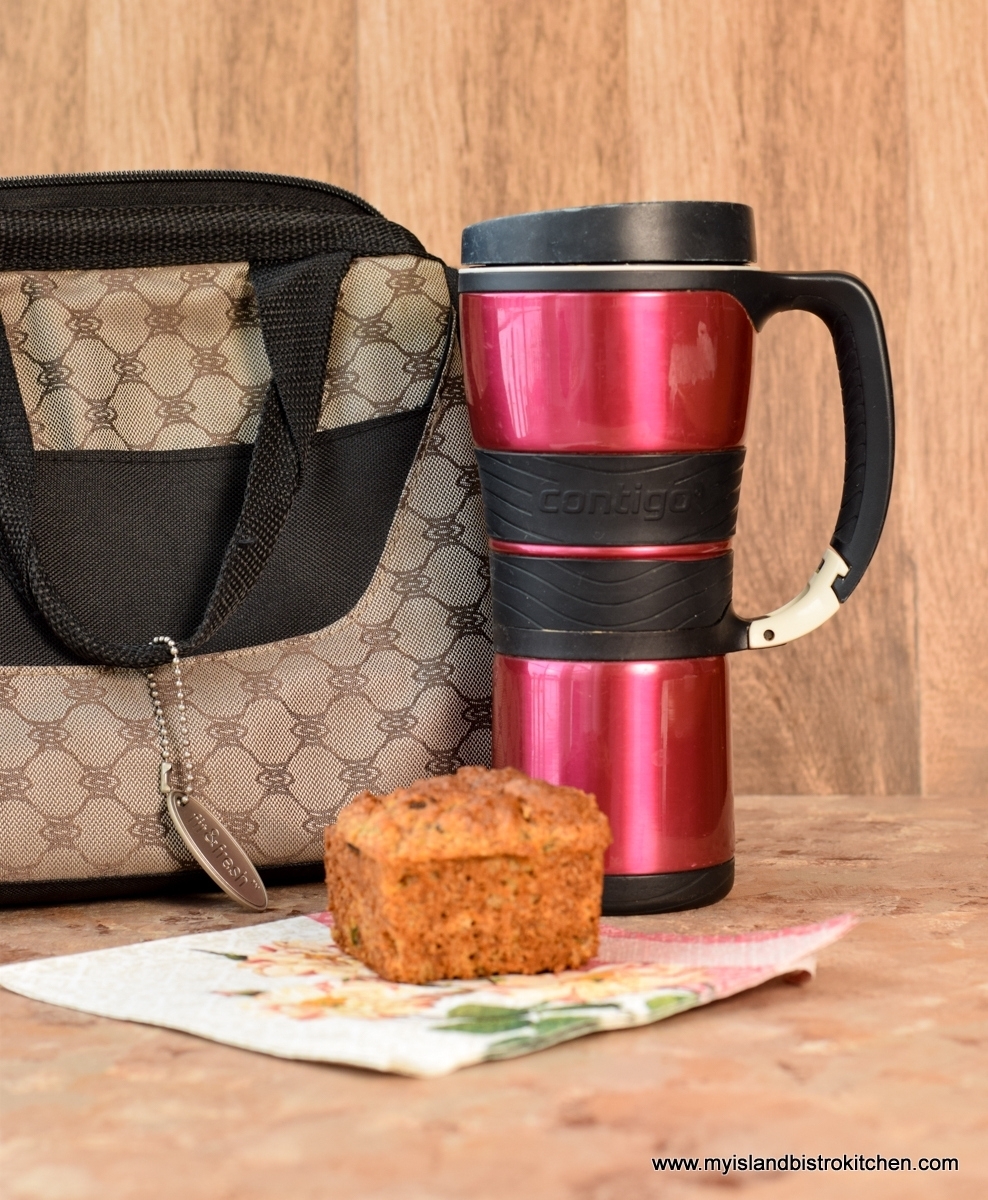
It’s very easy to pick up a muffin and a coffee on the way to work, for example. However, for the price (or very little more) of those two items on one day alone, an entire batch of a dozen muffins could be made and frozen, ready for the weekday lunch bag(s).
Zucchini Granola Muffins
For a visual of how much that daily coffee shop tea or coffee is costing, multiply it by 365 days – if a coffee/tea costs, for example, $3.00, a significant sum of $1095.00 a year will be spent on just one take-out coffee or tea a day (and I know some folks buy more than one a day). If you were to make your own tea or coffee, how much would it cost? How much are you shelling out for the convenience of picking up the beverage at a coffee shop? Add to that a bakeshop or coffee shop muffin that generally runs about the same price as the coffee and, again, basic multiplication will reveal another $1095.00 for just the daily muffins for a year. I can make a LOT of batches of muffins for $1095.00 a year! Together, those two simple items can run you about $2200.00 a year!
Homemade Muffin and Coffee
Spending $7.00+ for a bowl of soup or a salad at lunchtime adds up over a week, a month, and a year. For $7.00 (or very little more), a big batch of healthy basic homemade soup, for example, can be made and frozen in portion-sized containers, making the lunchtime meal more healthy and economical.
Potato Leek Soup
I do not eat out a lot. I’m not against it but it is expensive and dining out frequently makes it less of a special treat. For anyone on a restrictive diet, finding a restaurant that can accommodate the diet can be a real challenge. When I do eat out, it’s usually because I am traveling or, if at home, I am choosing to go to a nice restaurant as a special treat. If you normally eat out several times a week, consider cutting it back to, perhaps, only once a week and see the difference it will make in how much you spend on food. I never “order in” food and very rarely eat from a deli. Stopping at a supermarket deli on the way home from work is a temptation to scoot around the store and “pick up just a few items” while you are there. Suddenly, the supper stop just cost $60 instead of $15.
If you can afford these conveniences, great. However, if you need to cut your food expenditures, this might be a good place to start making adjustments. Making your own food/beverages is both cost-effective and healthier.
Make a Budget
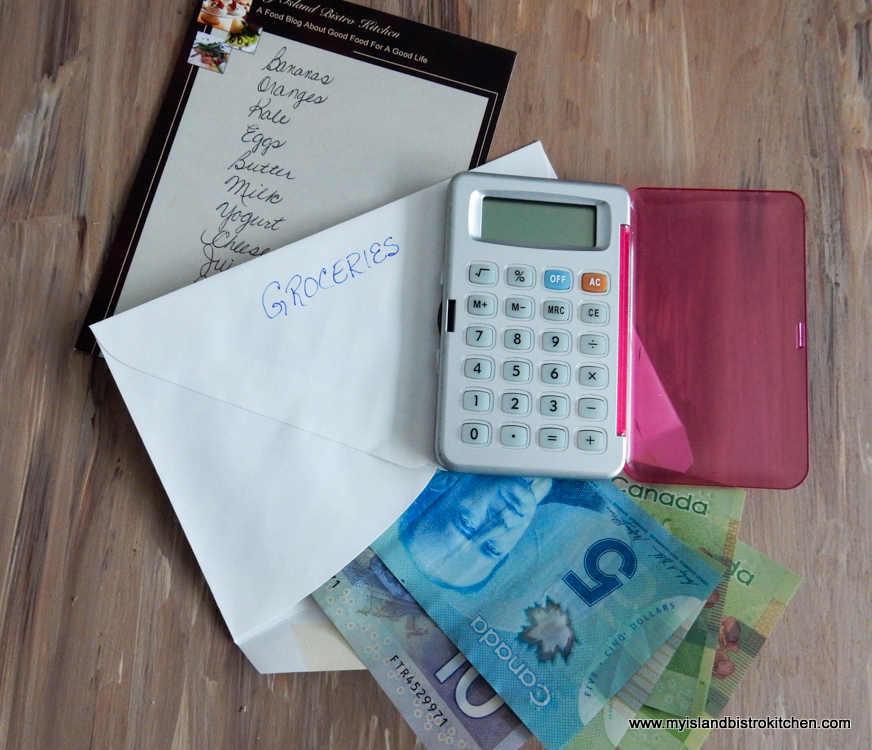
Grocery Budgeting
Make a realistic budget for food, based on what you really need. Set aside that money from your income and stick to the budget. If you only allot so much for groceries, it will force you to shop for good bargains and to only buy what you need, not what you see and are enticed by, that if truth be told, you probably really don’t need (always the operative word).
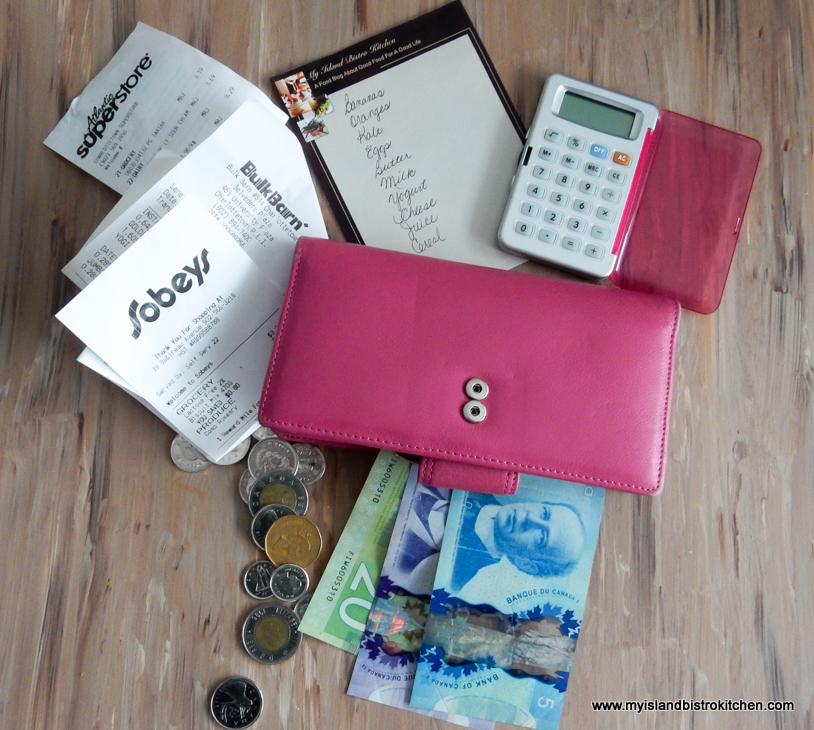
I sometimes see shoppers using calculators as they grocery shop. This is a great idea! If you only have so much money to spend, you’ll immediately see where you are with your budget as you select items from the grocery shelves and deduct their cost from your budget. If you start to see you’re over budget, take a look through the grocery cart to see if there are any non-essentials that could perhaps return to the grocery shelf.
Grocery Shopping
Keep track of what you buy and are spending on groceries. A bit tedious but, if you need to figure out where your food dollars are going, keep a record for a few months recording what you buy. Review it to see if there are non-essential items creeping into the grocery cart that could perhaps be eliminated from future grocery orders. If you are, for example, buying big name brand products to be used as ingredients for a casserole, could the dish be made with less pricey items such as store-brand ingredients? Do you really need the frozen entrée dinners or could you prepare healthy homemade meals? Do you need to pay for cheese already grated or could you buy a block of cheese on sale and grate it yourself? Do you really need to buy a bottle of salad dressing or could you make a simple healthy vinaigrette from ingredients already in your pantry? Once you get a clear picture of exactly what you are buying, you will likely identify items that can be eliminated or exchanged for more economically-priced substitutes.
Engage in Meal Planning
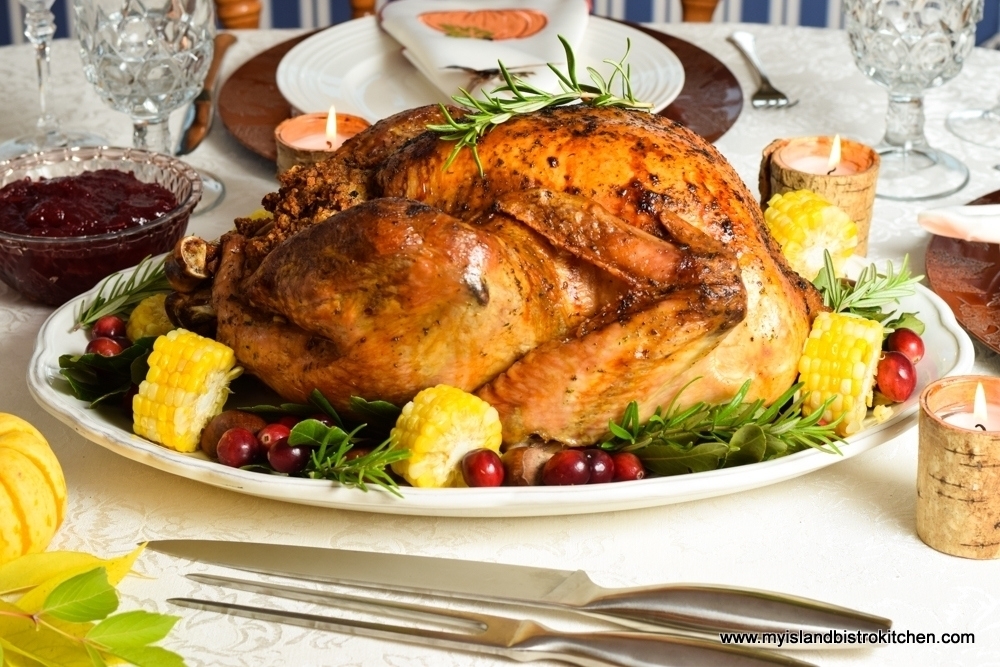
Roast Turkey
I’ve written about the merits of meal planning before. Make a list of the foods/meals your family likes to eat. Plan for leftovers. For example, if you are cooking a turkey dinner on the weekend, know ahead of time what you will use the leftover meat for so that you can extend its use.
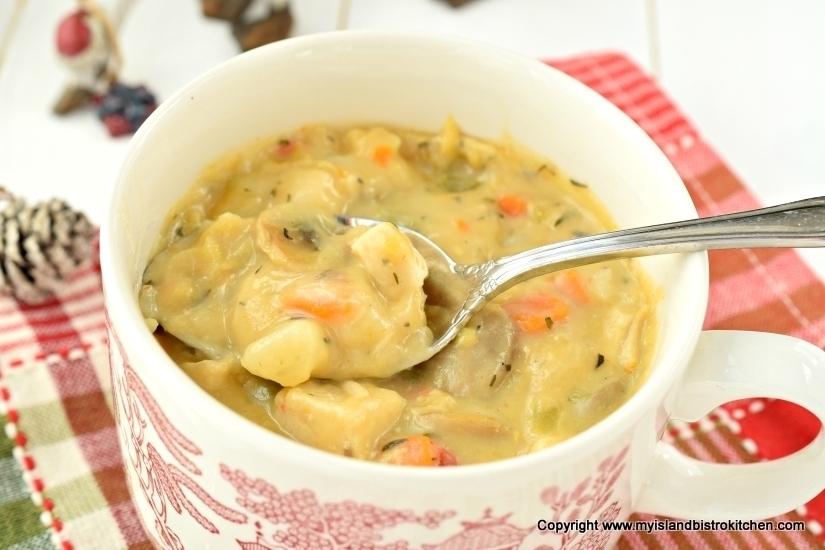
Homemade Turkey Chowder
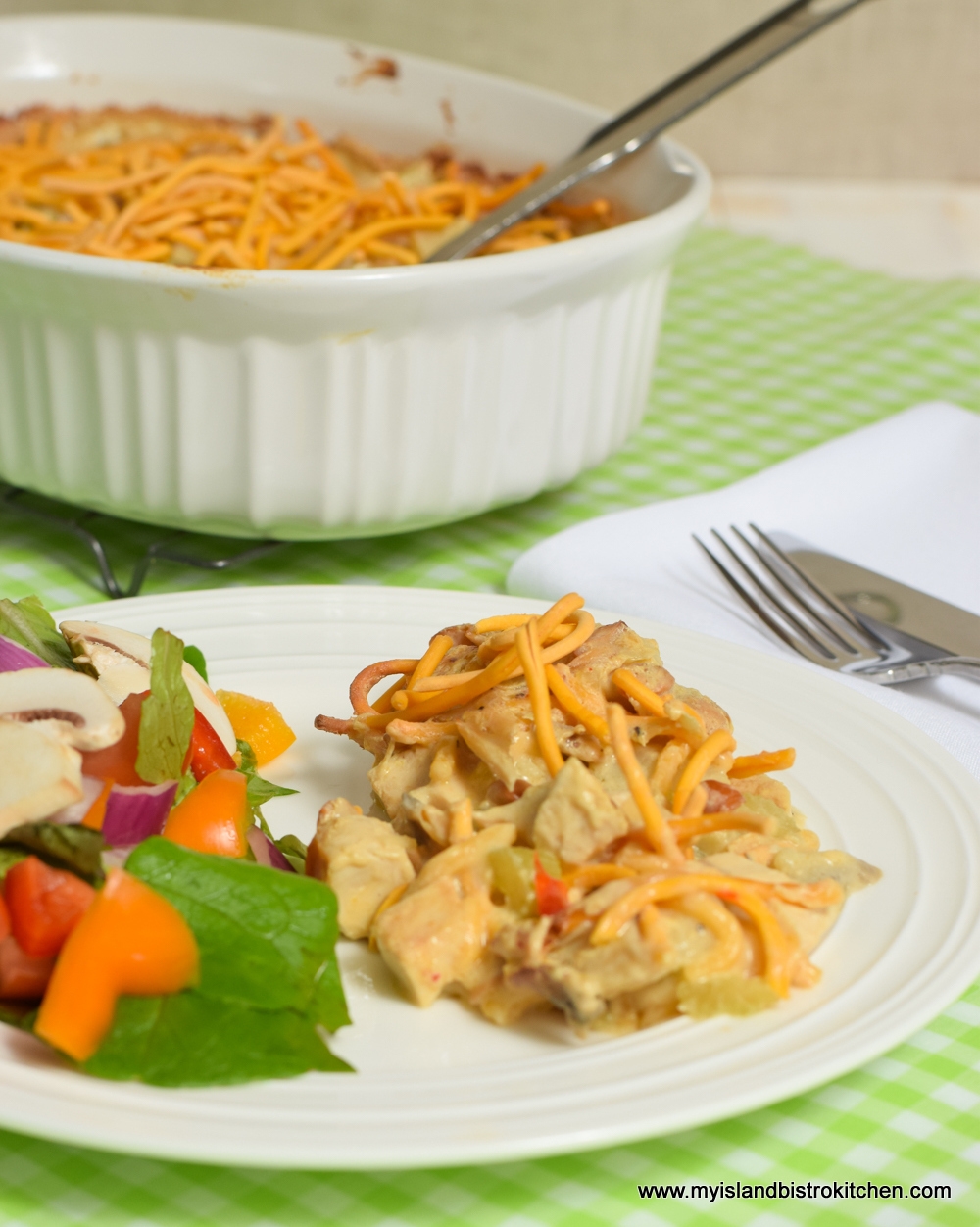
Transforming the meat into other dishes will generate more servings than simply plating the leftover meat. For example, you might make a turkey chowder that will yield several servings. You might substitute the turkey for chicken in creamed chicken and get a significant number of servings. Perhaps you’ll make a chicken chow mein casserole that will give several dinner servings.
Chicken Chow Mein Casserole
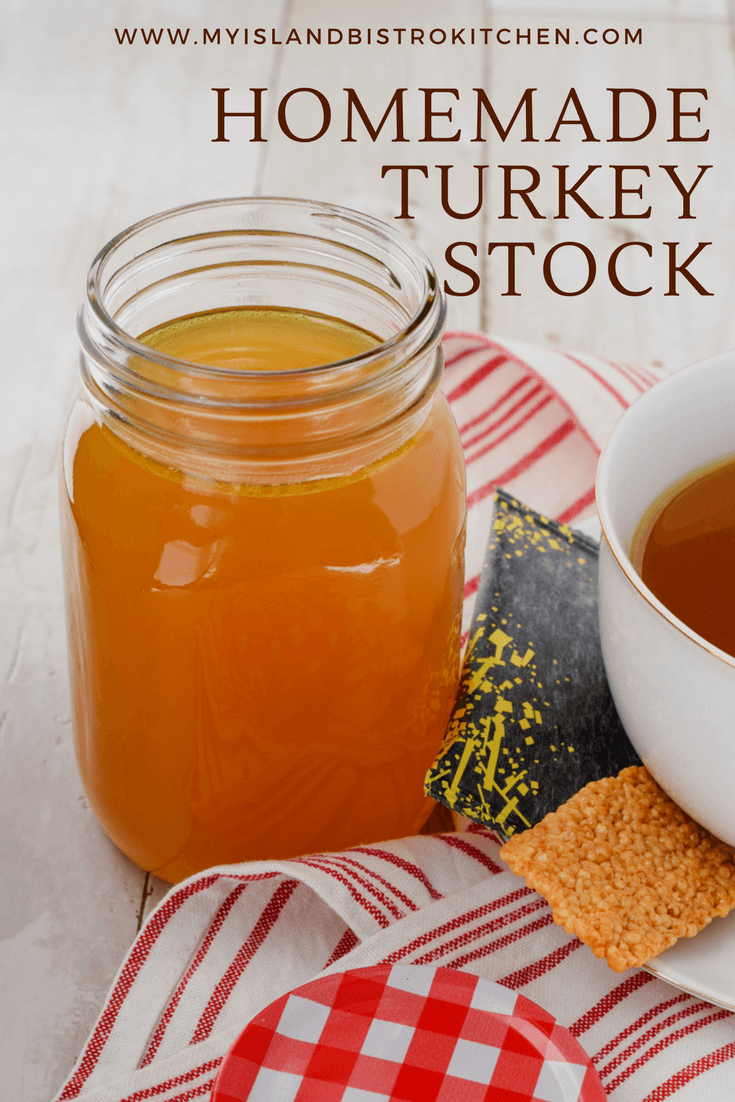
Save the turkey carcass and make stock that can be used as the base in soups and other dishes. Extend that turkey to get as much use out of it as you can.
Homemade Turkey Stock
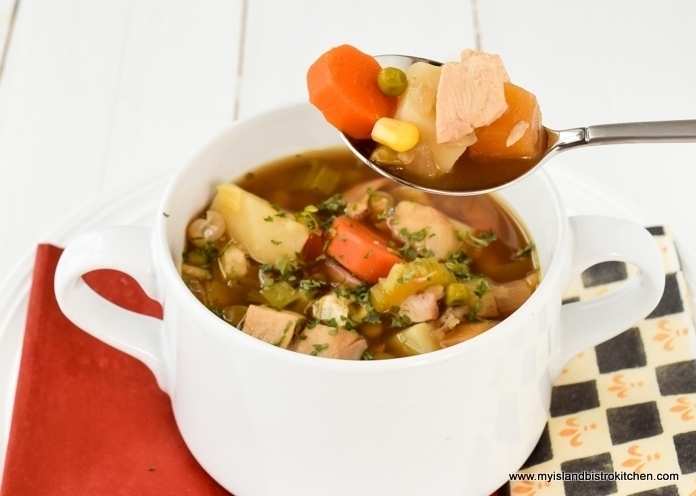
The homemade turkey stock makes a wonderful base for turkey vegetable soup in which some of the leftover turkey meat can be used.
Turkey Vegetable Soup
If you are having a boiled ham dinner, save the broth and use some of the meat to make a tasty ham and lentil soup that will yield many servings.
Ham and Lentil Soup
Or, make a ham-based casserole that will generate several servings. Many of these items can be frozen in whatever serving sizes you need for your family to have on hand for weeknight dinners.
Hawaiian Fiesta Casserole
By careful planning, you’ll be amazed at how many more meals you can generate from the leftovers of just one food item.
Try to make recipes that will give at least two nights’ meals. For example, if you are making scalloped potatoes to go with leftover ham, or perhaps a beef stew, double the recipe so you will have food prepped for another meal. Many dishes, like scalloped potatoes actually, in my opinion, improve their flavour over a day or two.
Creamy Scalloped Potatoes
The same principle of extending food usage holds true with foods like chicken breasts, for example. To serve individual chicken breasts, it’s expensive. However, if they are bought at a good price, they are golden when used for meal extension. One 7 – 8oz boneless chicken breast will yield two to three sandwiches much more economically than buying sliced processed chicken at the deli.
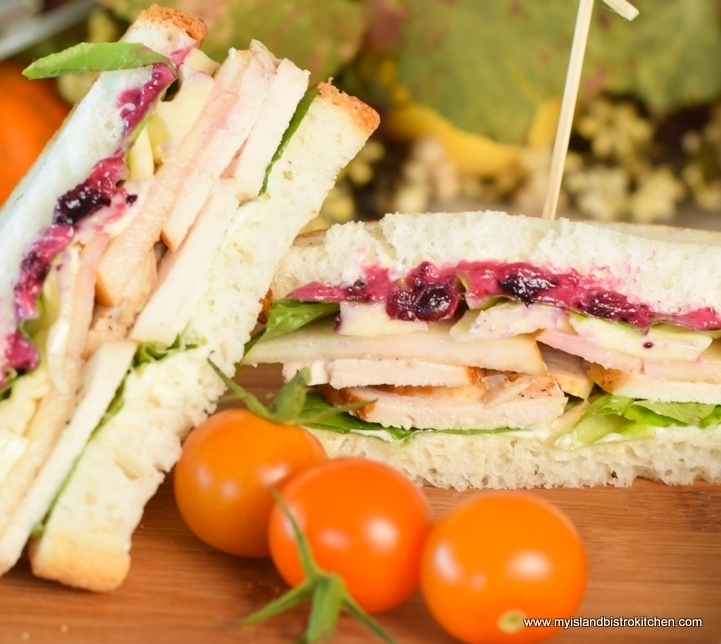
Turkey, Pear, Brie, and Cranberry Sandwich
An 8 oz chicken breast will generally yield about 1 cup, or slightly more, of diced chicken which can be used in casseroles or creamed chicken that will yield far more servings than simply putting a single full chicken breast on a plate with vegetables for just one serving at one meal.
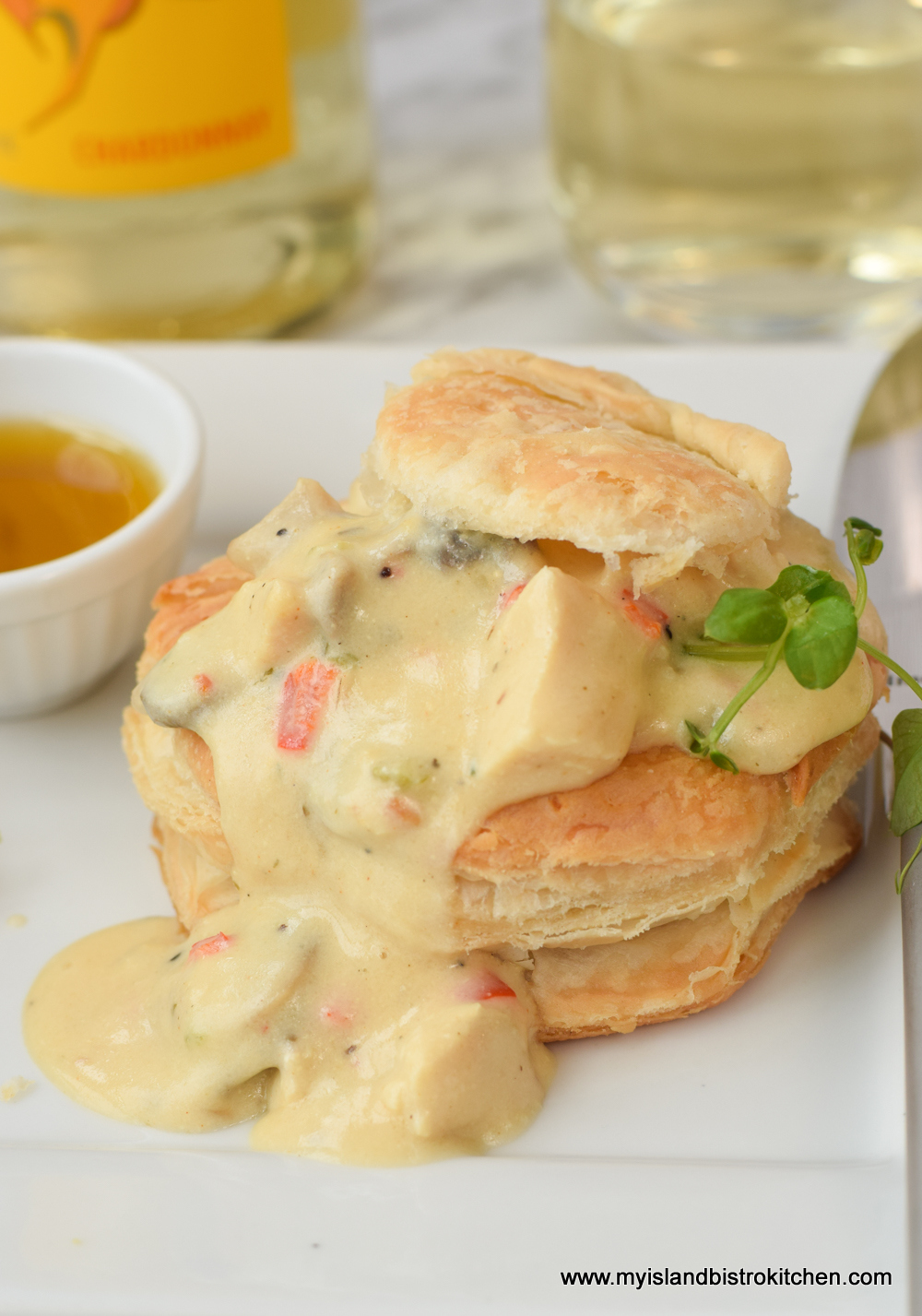
Chicken and Mushroom Vol-au-Vent
When I know I need to prepare some make-ahead meals that will require a lot of chicken or turkey (I use them interchangeably in recipes), I have my recipes planned and I watch for turkeys on sale. I don’t go into a store and, unexpectedly, see turkeys on sale and pick them up to put in the freezer unless I know I am going to use them relatively soon. They are big to store and take up a lot of my valuable freezer space.
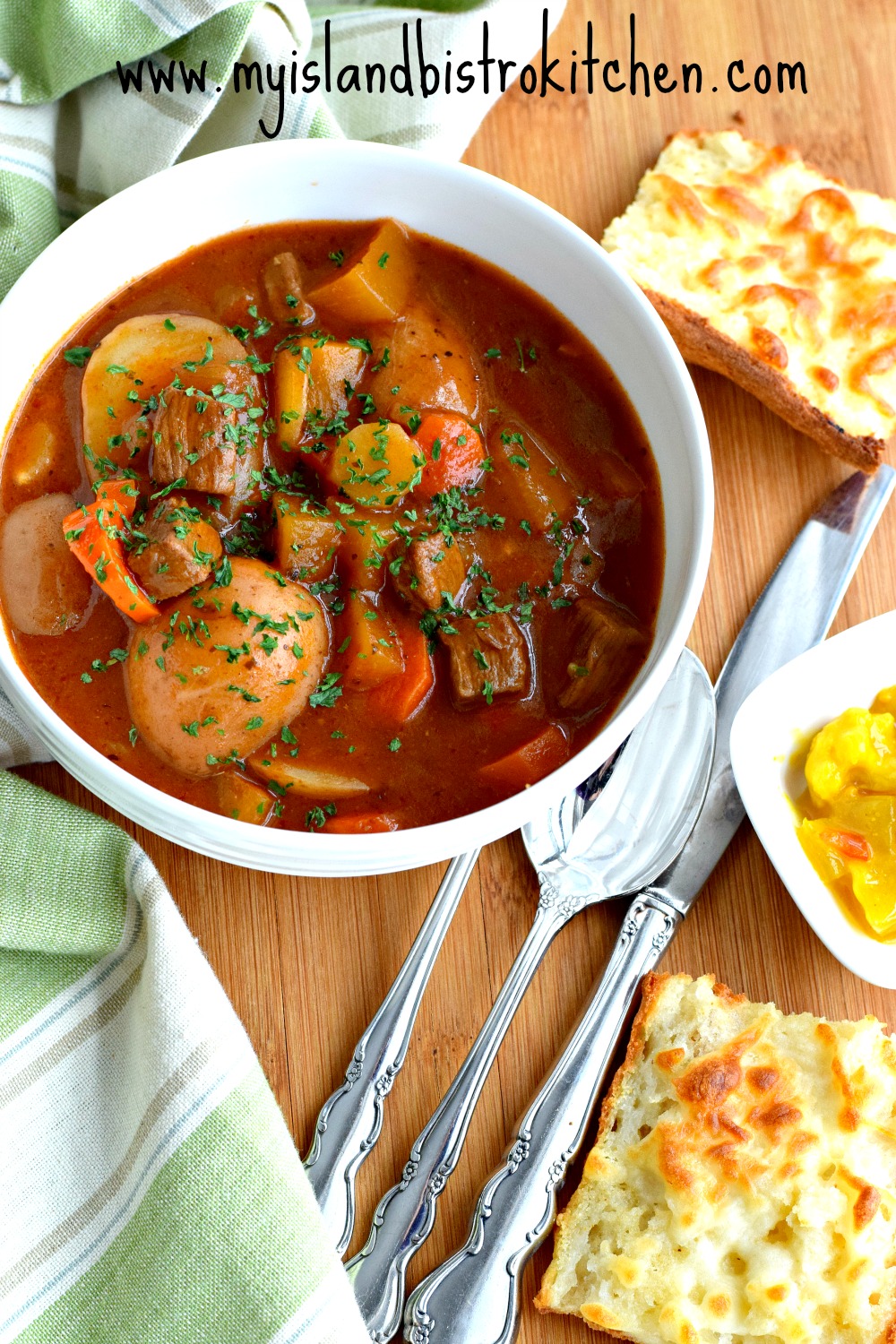
I always have a plan for recipes I can make if I can get a good deal on the main ingredient like meat, for example. If I’m shopping and I know I want to make, say, Irish Stew soon (or when I can get the beef on sale), I will check the meat section to see if they have any best-before today/tomorrow sales. Sometimes, good cuts of meat will be reduced by 25% or even 50% if it has same day, or next day, best-before date. There is nothing wrong with the meat and, if you can use it or make it into a recipe on the same day as purchase (or freeze it), it’s a great saving. I keep a list of ingredients of my most common make-ahead recipes on my phone so, if I can get a good deal on the meat, for example, I know what other ingredients I need to pick up at the same time to make the dish.
My Island Bistro Kitchen’s Irish Stew
If you plan your meals out, you’ll be less likely to head to the deli, take-out, or restaurant for meals. Careful meal planning is a great way to stretch food ingredients out into more servings and save money.
Shop with a Grocery List and Only Buy What’s on the List – Use Smart Shopping Strategies
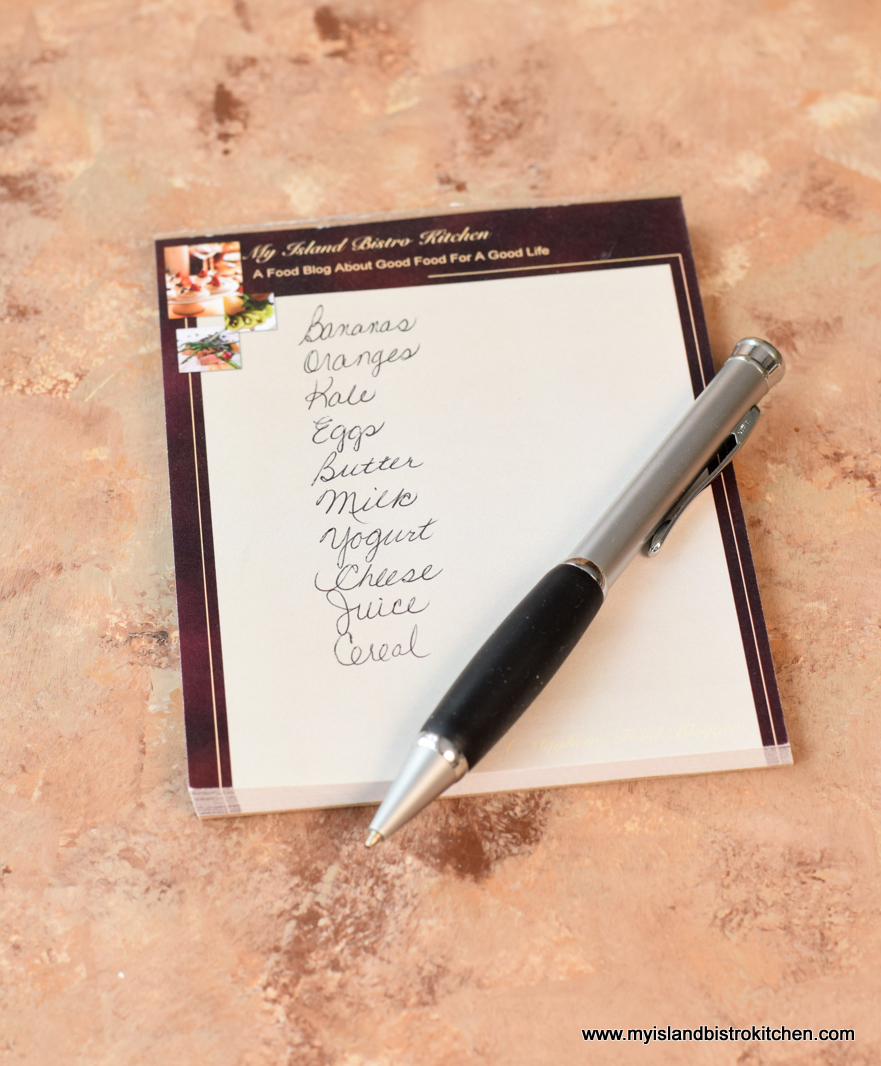
Grocery List
Make the grocery list before you leave home. If you don’t have a list, the tendency will be to wander the supermarket aisles aimlessly, hoping the sight of items will trigger what you should pick up. When you get to the supermarket, DO NOT go up and down every aisle! I repeat, DO NOT go up and down every single aisle. Only visit the aisles that have items on your list. Otherwise, the “browsing” will likely result in buying interesting looking items you may, or may not, use (and may not actually need) and that’s going to increase your grocery bill.
In fact, because I know the layout of the supermarkets well (most have the same basic layout), I actually make my grocery list in accordance with the store layout so I have a game plan when I hit the supermarket arena and I am not “backing and forthing” all over the store to pick up my groceries. So, my grocery list starts with any needed fruits and vegetables since that’s the zone into which I enter the supermarket, then meats, and so on, as I traverse the store. The faster I can move through a zone without revisiting it (or lingering), the less likely I am to notice something that causes me to stop and explore it and potentially buy it.
Don’t stockpile food items, even if they’re on sale – you are tying up money into items that will expire and throwing them out is a waste of money. Plus, they are taking up real estate space in the pantry and/or freezer and are likely to eventually become food waste. Most grocery items go on sale cyclically anyway so it’s not a “once in a lifetime must buy now deal”. I don’t keep a supply of canned goods on hand at all. Rather, I choose a recipe, make my ingredient list, and go shop for the specific ingredients at the time. This ensures my products are fresh and I have not tied up money in products I may, or may not, ever use. This method allows me to control my food budget better.
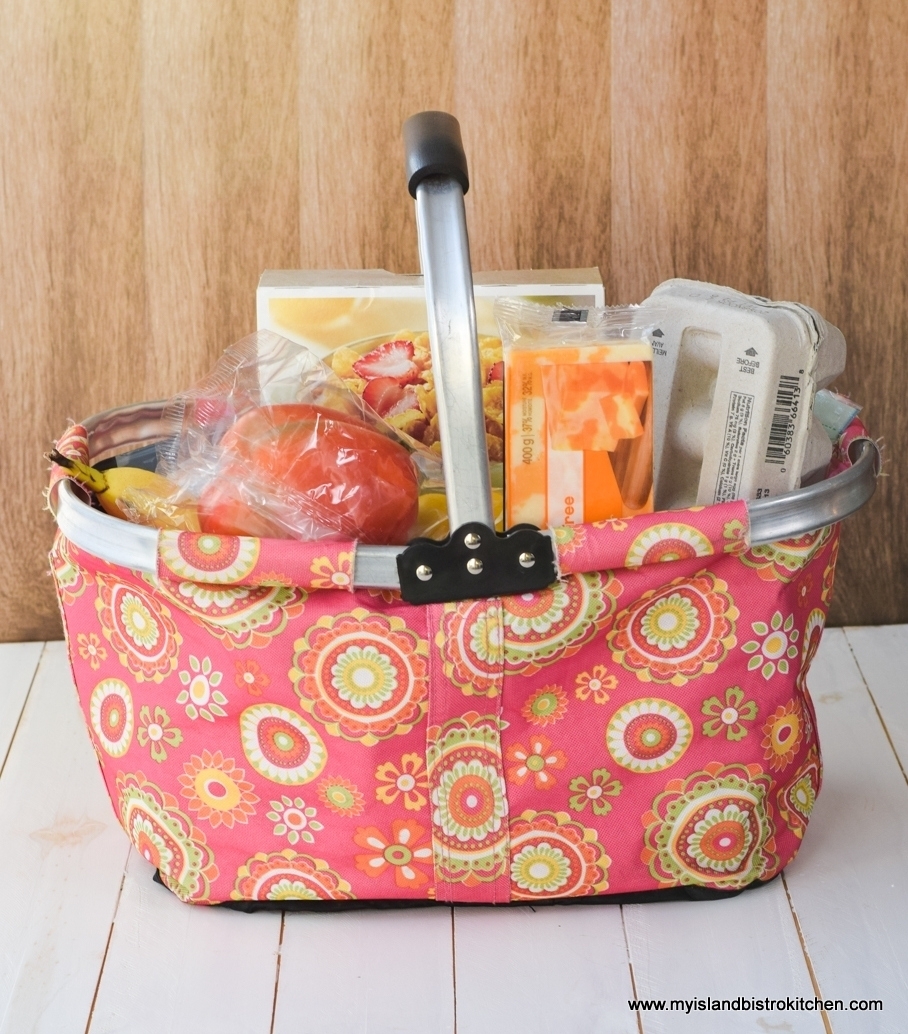
If you only need a few items, don’t take a shopping cart. Instead, use a small hand-carried grocery basket or, better still, if you can carry all the items in your hands, you will be less likely to pick up additional products because your arms can only hold so much. I keep a grocery basket shown in the photo below) in my car. I use this basket frequently because it will only hold so much so it helps to control my shopping. It also doubles as my carry-out container and is easier to unpack when I arrive home.
Grocery Shopping Basket
If all you need is milk, for example, pay a few cents extra and buy it at the convenience store or gas bar because it will save you money in the long run. How so? If you travel all the way to the back of a large supermarket where the milk is usually located, you will be more likely to come out with a $60+ grocery bill than the $3.00 litre of milk you were shopping for because you will be enticed by other items along the way for which you did not go to the supermarket. If you do go to the supermarket for just an item like milk (and some of us do because the supermarkets are typically the stores that carry certain types of milk for special diets), take the route through an aisle in which you have no interest in the products. For example if you don’t have pets, pet food won’t be of interest so zoom down that aisle (as opposed to, say, the chips and snack aisle). That way, you’re not tempted to pick up excess items not on your list. There’s a reason why grocery store designers place basic food necessities, like milk, at the very far back end of the store – they know shoppers have to pass by many, many items to get there and those other items are strategically placed to catch the shopper’s attention. Many shoppers will pick up items as they head to that single litre of milk they actually came into the store to buy. So, once again, the risk is that the stop for a $3.00 litre of milk may turn into a $60+ grocery bill (willpower, willpower, wherefore art thou when in a supermarket!)
Shop Around and Check out Sales Flyers/Price Compare Websites or Apps
If you are trying to save on your grocery bill, you will probably have to shop at more than one supermarket to get the best deals. In most cities, supermarket chains tend to set up business in very close proximity to their competitors and that’s a good thing for shoppers. For example, in Charlottetown, we have three large supermarket chains located within about a half kilometer (or less) of each other so it makes it easy to shop around. Now, if you had to drive 10-20 kilometers between them, the savings on the item(s) would have to be very significant to justify the gas and travel time. But, if the grocery stores are close to each other, savings can be found for the shrewd shopper who takes the time to find them.
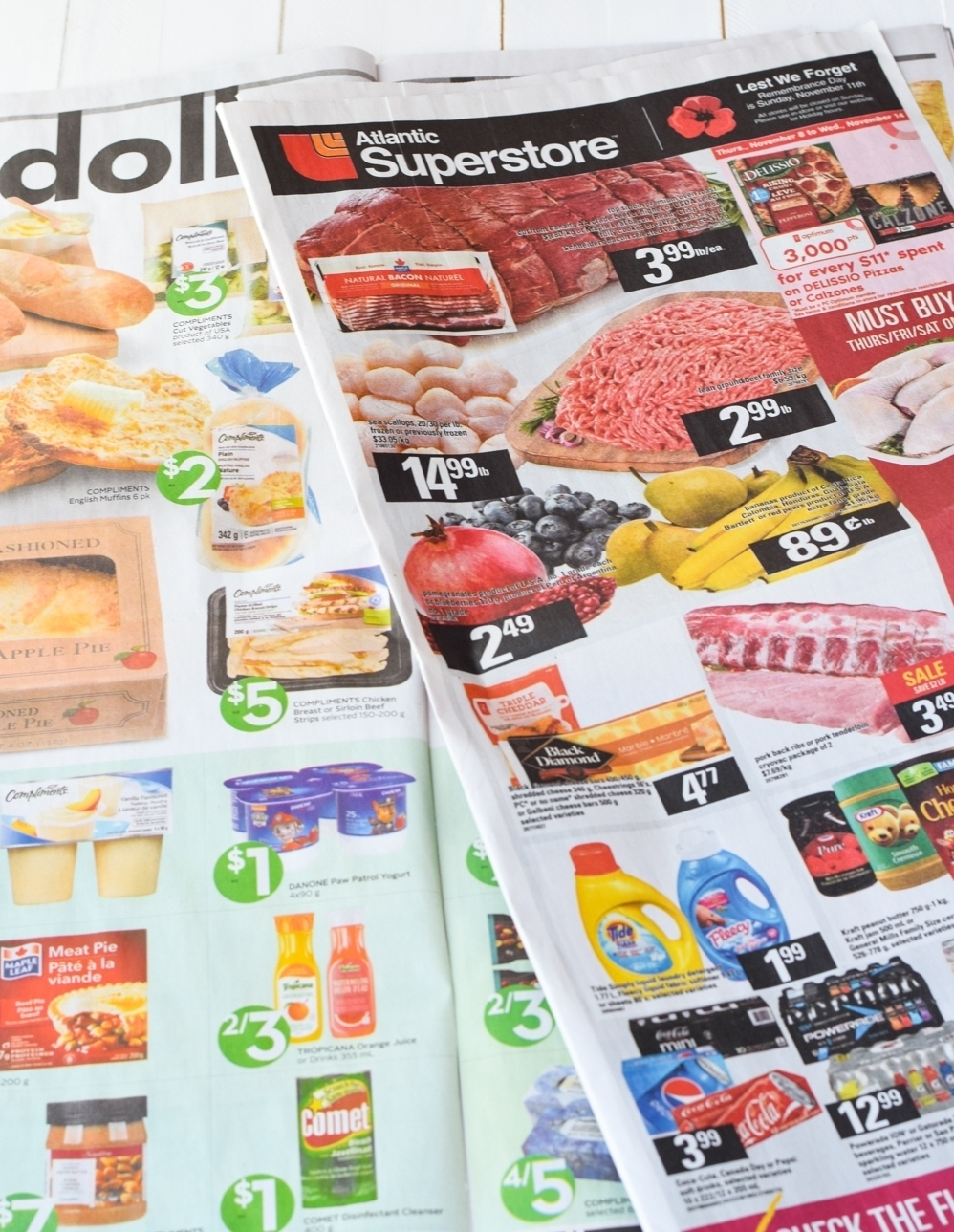
Check out the weekly sales flyers to see which supermarket has the items on sale that you need (operative word here always being “need”). Or, check out price compare websites or apps to see which grocery store chain has the best price on products you need. Not all chains will price match but some will. It never hurts to ask.
Grocery Sales Flyers
There is one grocery store in my hometown which I would class as less glitzy and more basic than the others. I shop for what I can get there because it’s a smaller store which makes it easier to stick to my grocery list as there are fewer items drawing me to buy them. Another store has great regular prices on certain items so, when I need those specific products, I head first to that store and buy what I can there. For example, there is a particular brand of yogurt I like. The regular price for this item at one supermarket has, for a long time, consistently been (at time of writing) $2.97 for 500g. The exact same brand item of the same size retails at the competitors for $4.97 (note these were 2019 prices when this article was originally published). A 2.63 litre of a major brand orange juice sells for $3.97 (regular price) at one store while the competitors retail it for, on average, $7.49 – a $3.52 difference (again, the reader should note these were 2019 prices). On just these two items alone, I can save $5.52 by carefully shopping around. A third supermarket has its own name brand products that I really like and which are priced cheaper than big name brand counterparts. That’s the store I head to for those products because I don’t particularly like either of the competitors’ own store brand products.
I am not a huge user of coupons because I find they are most often for items I don’t need. However, they are a good way to save money if they are for items you do actually need. That said, as a word of caution, don’t use the coupons to buy items simply to try the products. If the items are not ones you need, then putting any money at all on to the items is adding unnecessary strain to the food budget.
While I am not against big box warehouse shopping venues, they can require a lot of willpower on the customer’s part to pass by items that aren’t on the grocery list but certainly look interesting and appear to be a good price. BUT….are they really a great price if you look at the per unit or per weight price and factor in all the considerations around them? Items typically come in very large quantities at these stores (there’s a reason why they have those jumbo-sized grocery carts that can hardly be pushed or navigated through the store). So, unless you have a very large family and lots of refrigeration and pantry space, many of the items are just simply too large for many households to store and use up before the items expire. Therefore, the questions to ask are: Do you, first of all, really need the items? Will you be able to use them all up before they expire? If you are a household of one or two people, would you really use a 10lb bag of quinoa or rice? If you end up throwing out a good portion of the food items, that constitutes food waste and a drain on the food budget and you really haven’t saved any money.
We don’t have big box grocery warehouse stores in PEI at the time of writing but a lot of Islanders frequent them off Island. Living in PEI, one has to factor into the cost of the grocery items, the Confederation Bridge toll, gas, and the time to travel to the big box warehouse stores in New Brunswick or Nova Scotia. In addition, you need to be prepared to price compare – i.e., are the “deals” really great deals or could what you need be purchased more economically, or just as economically, when the standard local supermarkets put on good sales.
One previous frequent grocery warehouse shopper told me his family recently discontinued their membership because every time they were at one of these stores (2-3 times a month, on average), they were spending at least $500 per trip on items they really did not need (but looked enticing) and they ended up throwing out a good portion of them after their expiry date had passed because they could not use up such large quantities. These shopping excursions were in addition to their regular grocery shopping at home, putting a huge unsustainable strain on their food budget.
Bottom Line: To stay on a food budget, shop around and buy only what you need and can reasonably use up before the items expire.
Follow Credible Well-Tested Recipes
While it’s fun to try new recipes, if you are on a strict food budget, you’ll want to ensure you choose recipes that, first of all, have ingredients you know your family will like and, second, come from a trusted source. This is because you want a recipe that has good, clear directions and that will turn out for you. The last thing you want is to have to walk the dreaded walk to the compost bin with a failed recipe and still have nothing prepped for dinner. That’s when you tend to order in or head out to a restaurant for the meal, really taxing the food budget.
Don’t choose complicated recipes with expensive ingredients, especially if you are a novice cook – it will be easy to become discouraged with home cooking if your efforts don’t meet with a satisfying tasty dish. Start basic and move toward more elaborate recipes as your cooking experience grows. There is no shortage of cookbooks and cooking magazines on the market and literally anyone can post any recipe on the internet. However, there is no guarantee that any of the recipes from these sources have actually been tested for success. Ask your friends and family for recommendations on the recipe sources they use with success and, of course, you can always check out recipes here on My Island Bistro Kitchen’s website since those recipes have been well kitchen tested several times before being published!
For those on a budget, look for recipes that call for economical ingredients and that you can get more than one meal from the recipe. While pricey food items like lobster, scallops, and steak are wonderfully tasty, they can make a serious dent in the food budget. To keep the budget in check, I recommend saving those types of items for a special treat or occasion and selecting other, more economically-priced, ingredients for everyday meals.
There are ways to turn everyday basic ingredients into very tasty, wholesome meals using seasonings, sauces, cooking techniques, and so forth. A lot of the contents in my freezers are not “gourmet” by any stretch of the definition but they are mighty tasty meals and not difficult to prepare. These include the basics like baked beans, chili, macaroni and cheese, creamed chicken, chicken and ham casseroles, soups, and so forth.
Buy a Big Freezer
In my opinion, one of the best investments one can make is in a big upright freezer. This allows for batch cooking make-ahead meal preparation to be done when food ingredients are in season or on sale. I freeze lots of varieties of soups, main entrées, side dishes, and desserts. This allows me to eat well, at home, and quite economically. Plus, I know what I’m eating and the foods are not full of preservatives or ingredients I can’t pronounce.
Frozen Homemade Make-ahead Meals
Properly package items for freezing and label and date everything. While the money has to initially be laid out for ingredients to batch cook and the prep work still has to be done, it does cut down on the grocery bill on an ongoing basis and lessens the task of meal prep on weeknights. Plus, it discourages the old fallback of stopping at the supermarket deli for dinner on the way home from work because you will know you have quality homecooked meals already prepared.
Batch Cook and Prepare Make-ahead Meals for the Freezer
I believe that, no matter how busy we are, we make time for whatever is a priority for us. So, if healthy, tasty, affordable eating for you and your family is important to you, you’ll put some time into healthy, economical meal preparation.
Set aside a few days and prepare several make-ahead meals for the freezer – soups for lunches, muffins for breaks, entrées for main meals, and desserts for when the sweet tooth calls.
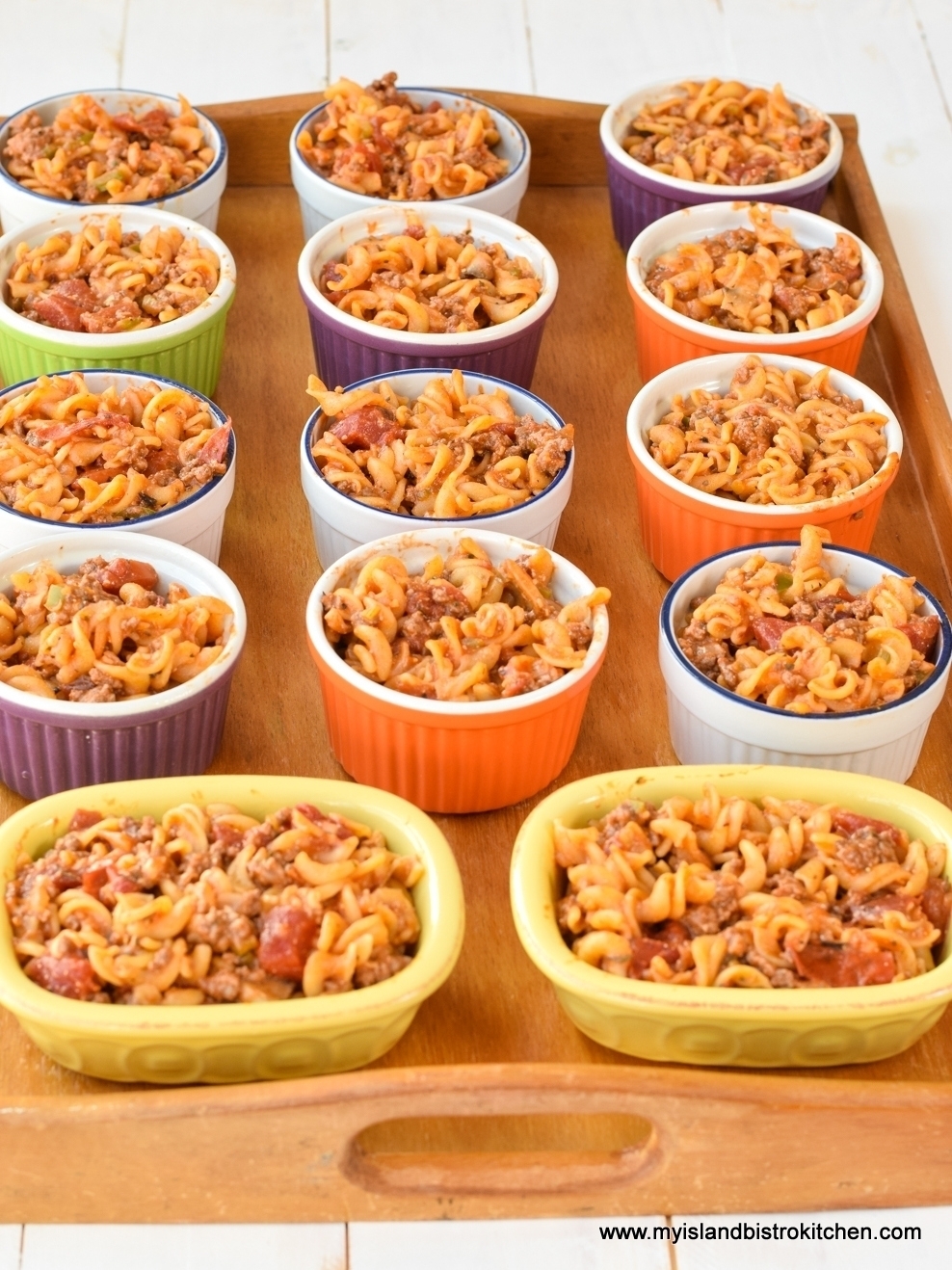
Beef Pasta Casserole Ready for the Freezer
Once I have my freezers (yes, freezers plural) filled with make-ahead meals, my ongoing grocery list just usually consists of dairy, fresh fruits and vegetables, fish, and the like. If you don’t know how to cook, or you need the motivation from others to get you going, gather together some friends to have a batch cooking session at the end of which everyone goes home with some make-ahead meals. Or, take a short cooking class. Many larger supermarkets, for example, will frequently offer evening or Saturday cooking classes. You might also check out some community colleges or local cooking schools to see what short-term cooking classes they might offer.
If you want to tackle a new recipe you are not familiar with, engage an experienced cooking mentor to help walk you through the process. Many experienced cooks will be more than willing to share their knowledge and experience in this field.
Batch cooking is my lifesaver – I don’t have to stop at the supermarket or takeout for dinner and I know what’s in my food that contains no preservatives or weird, hard-to-pronounce ingredients. Whether you are living alone, as a couple, or a family of several members, advance batch-cooking is a great meal preparation strategy. For singles or smaller households, it offers the benefit of having a variety of meals on hand from which to choose each day without having to individually prepare small-sized meals on a daily basis. For larger families, it provides healthy, home-cooked meals on busy weeknights when everyone is running in multiple directions to and from activities. If you have some others in the house, engage them in the meal preparation to lighten the load (it’s a great way to teach the younger generation how to prepare home-cooked meals, too).
Adjust Meal Planning According to the Seasons
Create a list of favorite recipes to make when fresh local produce (perhaps from your own garden) is available and at good prices. For example, I do a lot of soup making and freeze portion-sized containers of the soup for weekday lunches. Some of my favorite soups are tomato, cauliflower, and broccoli.
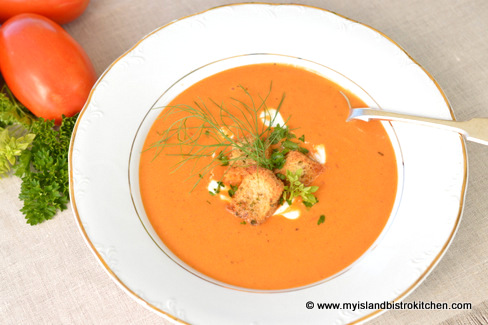
Roasted Cream of Tomato Soup
We had an abundance of tomatoes in the garden this year and making soup with them is a great way to use up the tomatoes and cut the cost of the soup significantly. I was able to find beautiful large heads of broccoli and cauliflower for .99 cents in the fall and, since they are the primary ingredients in two of my favorite soups, I was able to make double batches of cauliflower and broccoli soups for the freezer very economically – much more so than making cauliflower soup, for example, in the winter when a small head of imported cauliflower has run as high as $7.00 in recent years. The same holds true with fresh fruits. I make my Blueberry Peach Crisps, Apple Crisps, and applesauce when the fruit is fresh and at a good price. I then freeze these desserts for use throughout the year.
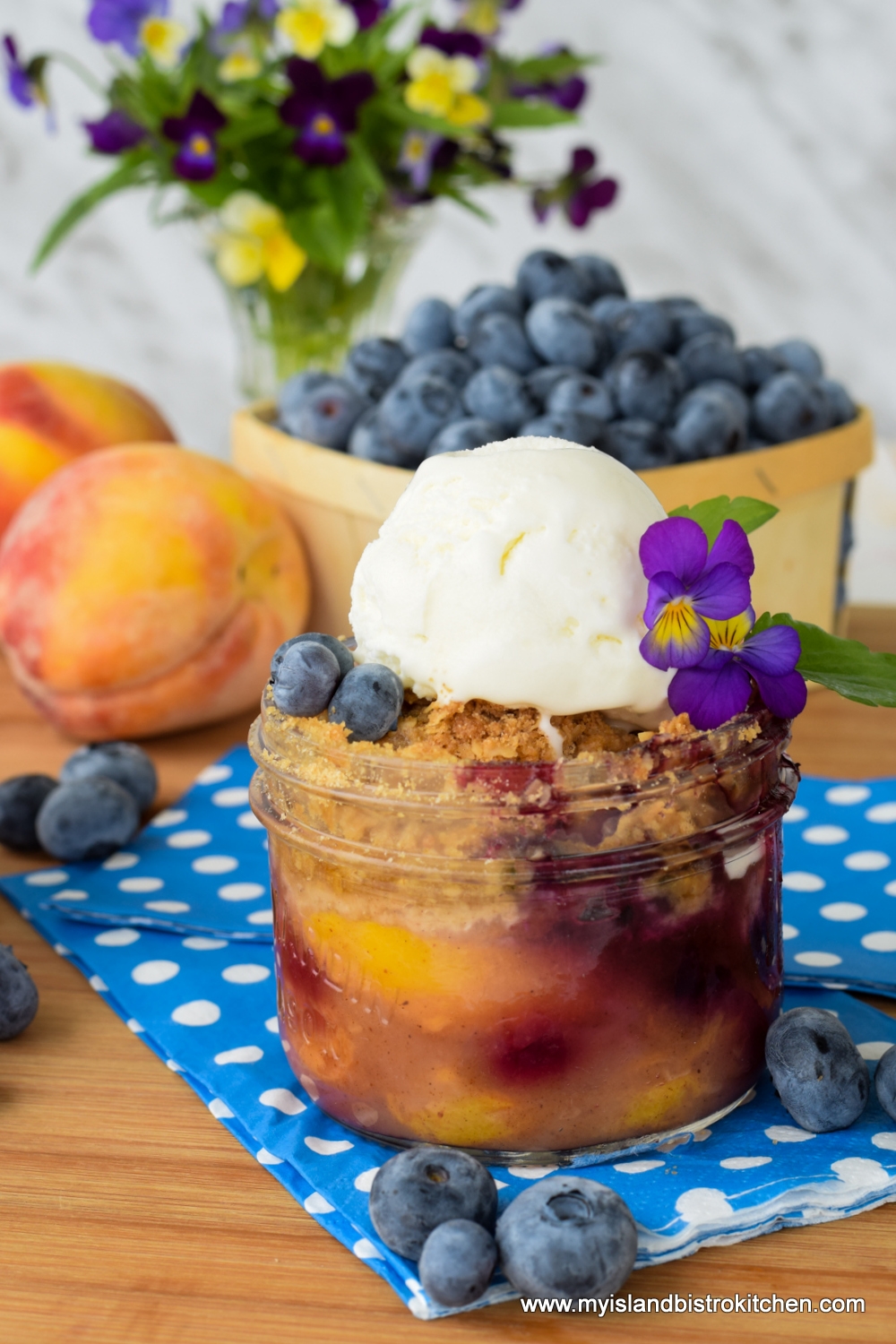
Perfect Peach Blueberry Crisp
Shop Less Frequently
Just because it’s Saturday (or whatever day you typically do your main shopping) does not mean you automatically have to go grocery shopping if you really don’t need a grocery order. Make it a habit not to be stopping at the supermarket every day, or every other day, throughout the week. The more times you enter a grocery store, the harder it will be to stick to a food budget. You might try only doing focused grocery shopping every two to three weeks and, in the interim, stop to pick up the necessities like milk, at a convenience store or gas bar where there will be less items calling your attention and wallet.
Conclusion
It is a challenge, for sure, to eat well when food prices continue to rise rapidly. It does require some folks to become more creative in how to feed a family healthy meals on a budget. I believe it can be done but it does take work, dedication, commitment, organization, planning, and shopping around for the best deals possible on food items. For some folks, it may mean a lifestyle change by eating out less frequently and removing some non-essential items from the grocery cart. For others, it may mean learning how to cook economical and nutritious meals from scratch at home.
I hope you have found some of my tips helpful for controlling the grocery bill and reducing food waste. What are your strategies to stretch your food dollar?
Pin Me To Pinterest!
Tips for Cutting Food Bill and Reducing Food Waste
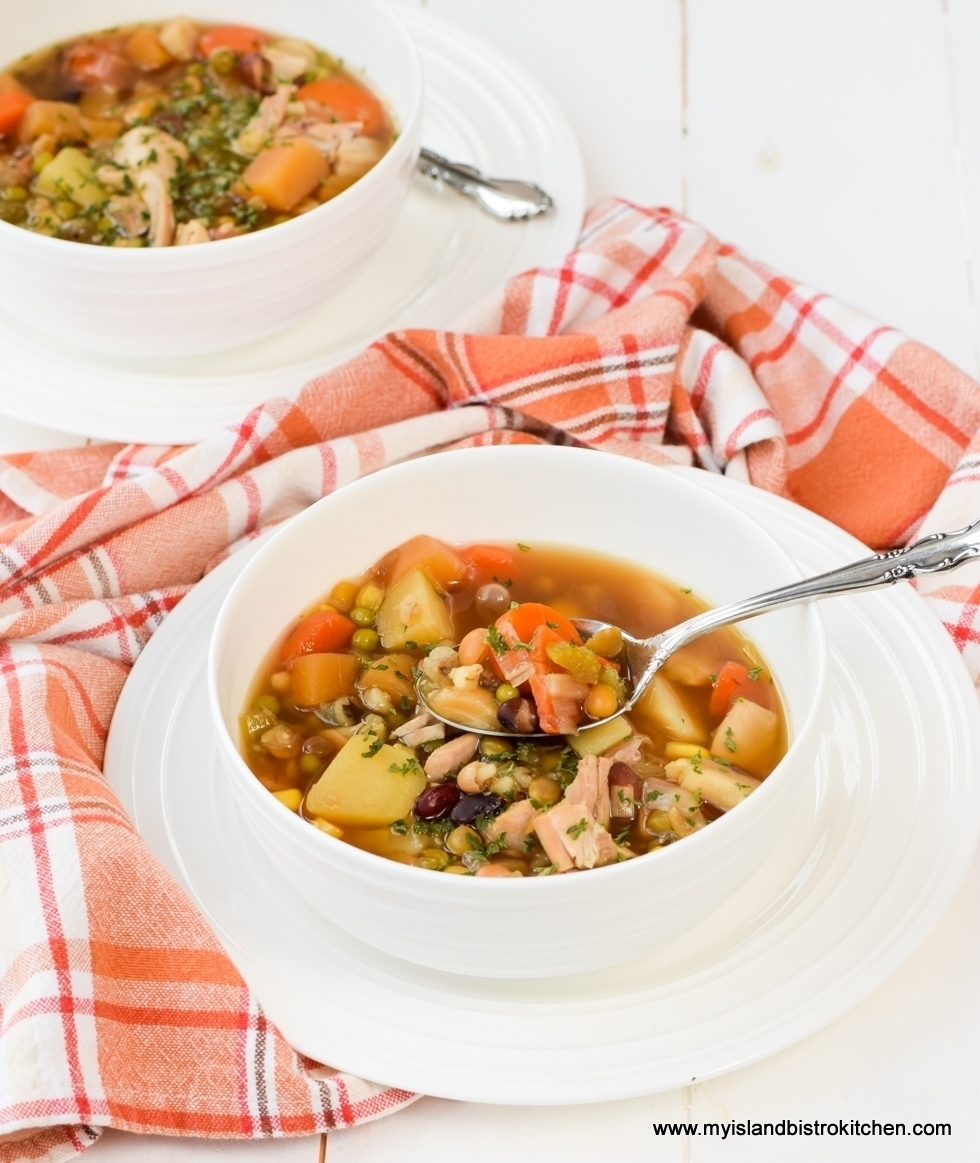
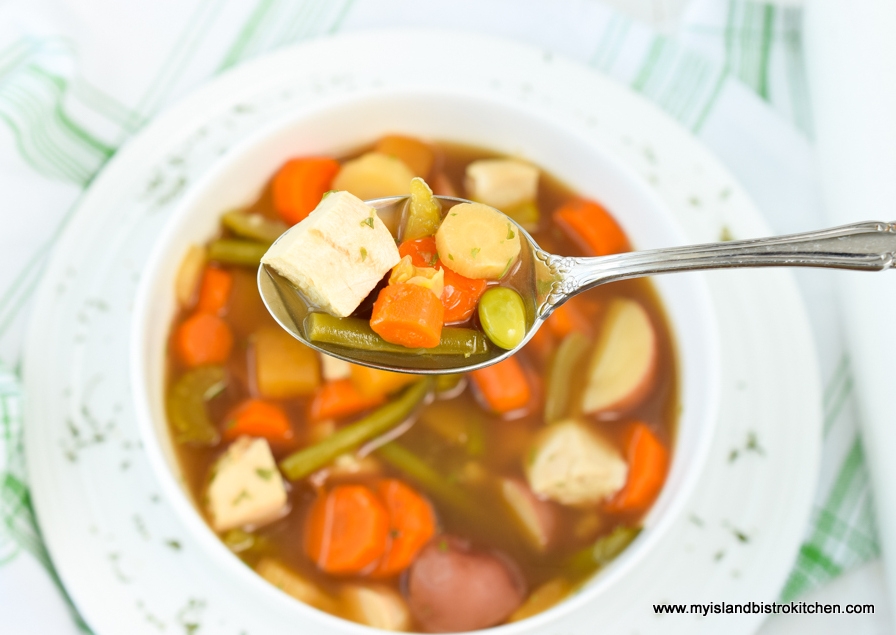
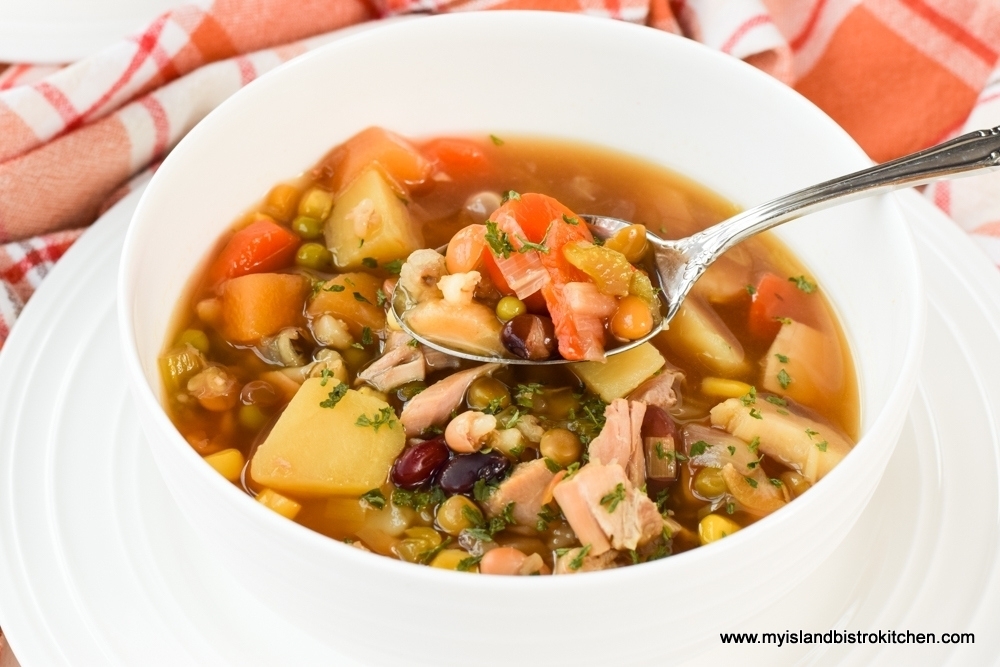
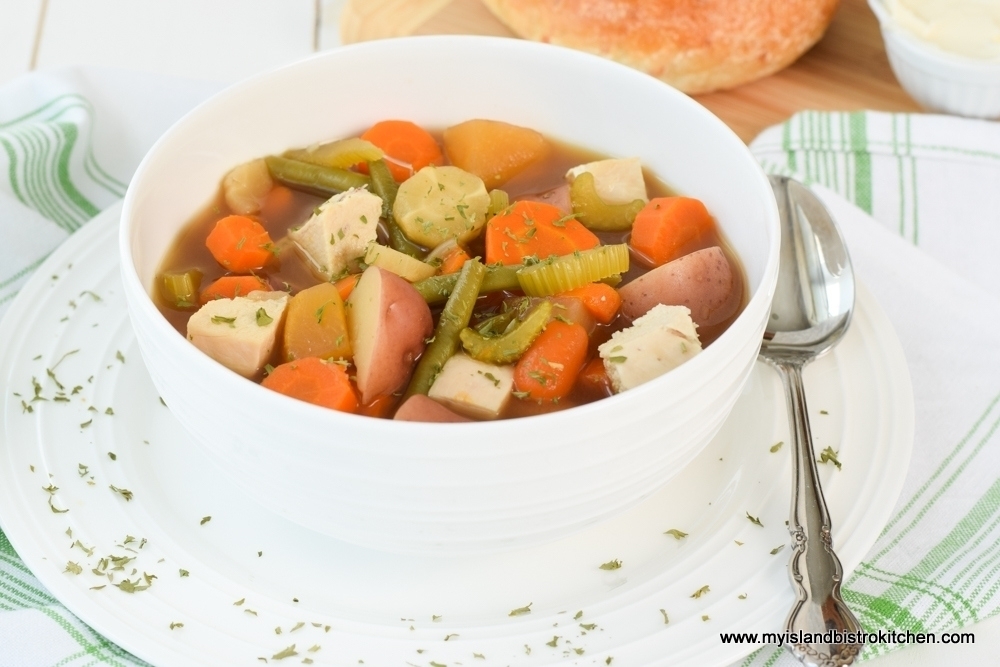
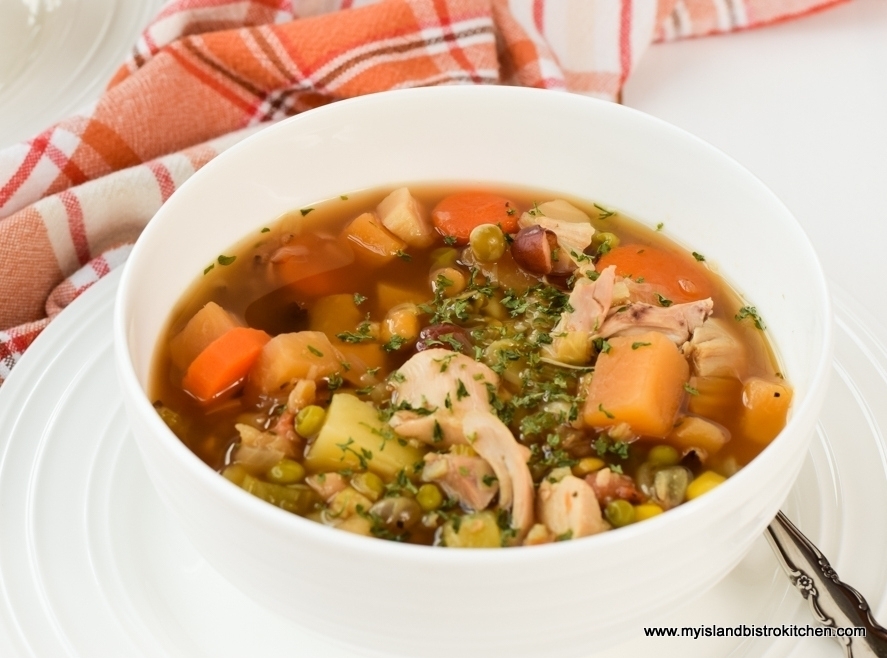
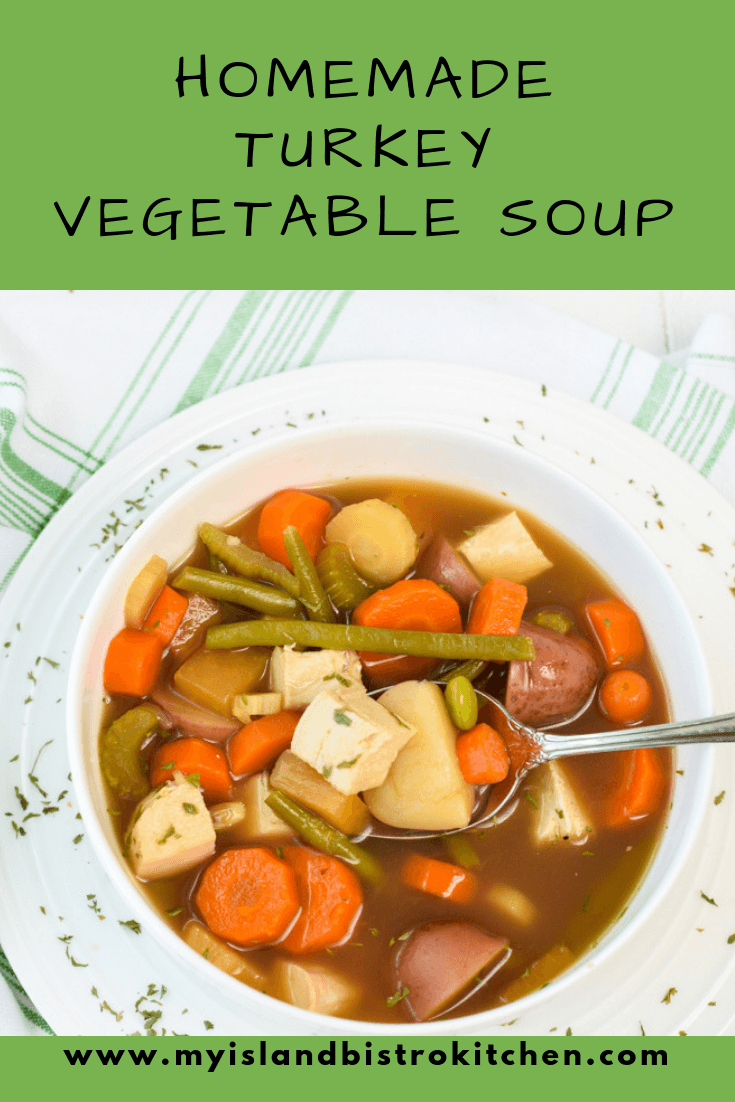
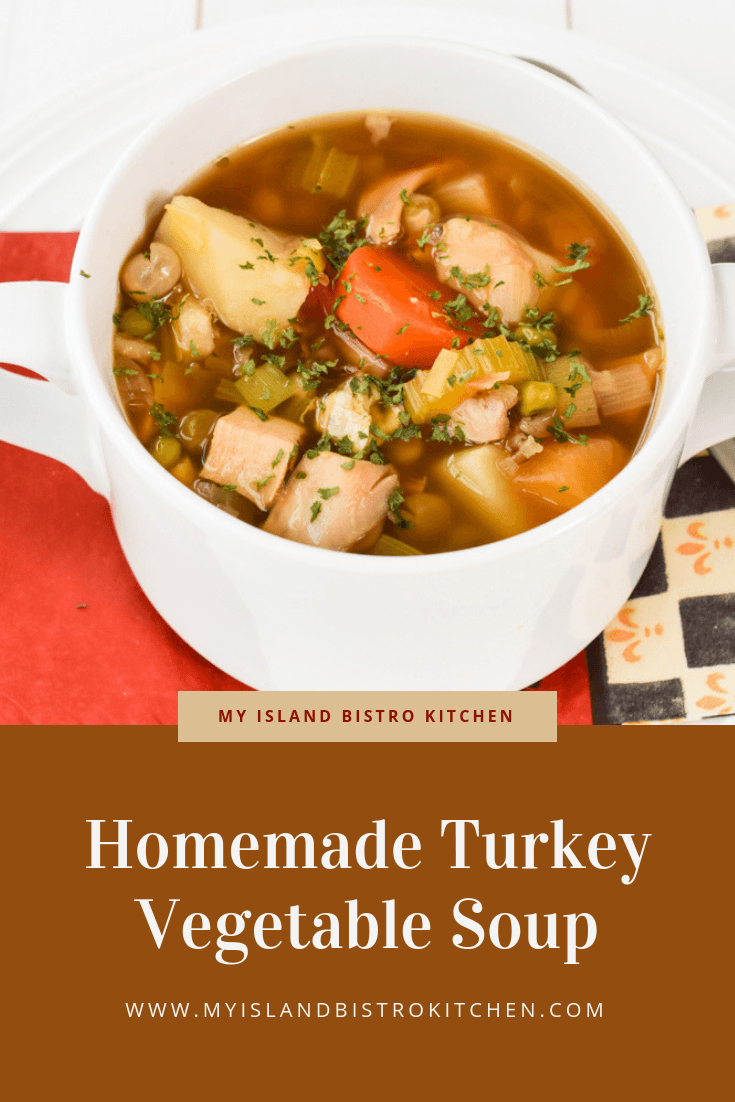
If you are a regular follower of my food blog, you will know that I do all I can to maximize the value of food products and reduce food waste. In my view, one of the best buys to extend meals is a turkey. Not only does it generate a wonderful roast turkey dinner but there is tremendous goodness left in the carcass and, often, there is more meat than can be used up as cold turkey and it can be transformed into other dishes. Or, sometimes, one just gets tired of the turkey before it is all used up so a great way to maximize it is to turn it into a delectable Turkey Vegetable Soup.
Homemade Turkey Vegetable Soup
The first thing I do after a roast turkey dinner is strip off all the remaining usable meat from the turkey carcass. I will either immediately make homemade turkey stock with the carcass or freeze it in an airtight freezer bag and make the stock later. You can find my recipe for making turkey stock by clicking here. If the plan is not to make the Turkey Soup right away, I suggest setting aside 3-4 cups of the turkey meat and freezing it in an airtight freezer bag to have ready to drop in to the soup when it is later made.
Homemade Turkey Stock
Homemade Turkey Vegetable Soup is both delicious and nutritious and my version of this wholesome soup freezes well. The recipe makes a big batch (about 18-20 servings) though it may be halved. However, if freezer space is available for the soup, it is mighty handy to have on hand for later use.
Now I do, of course, recommend that homemade turkey stock be used as the foundation for this soup because it is wholesome and free of preservatives. However, commercially-made stock/broth may be used in its place.
Homemade Turkey Vegetable Soup
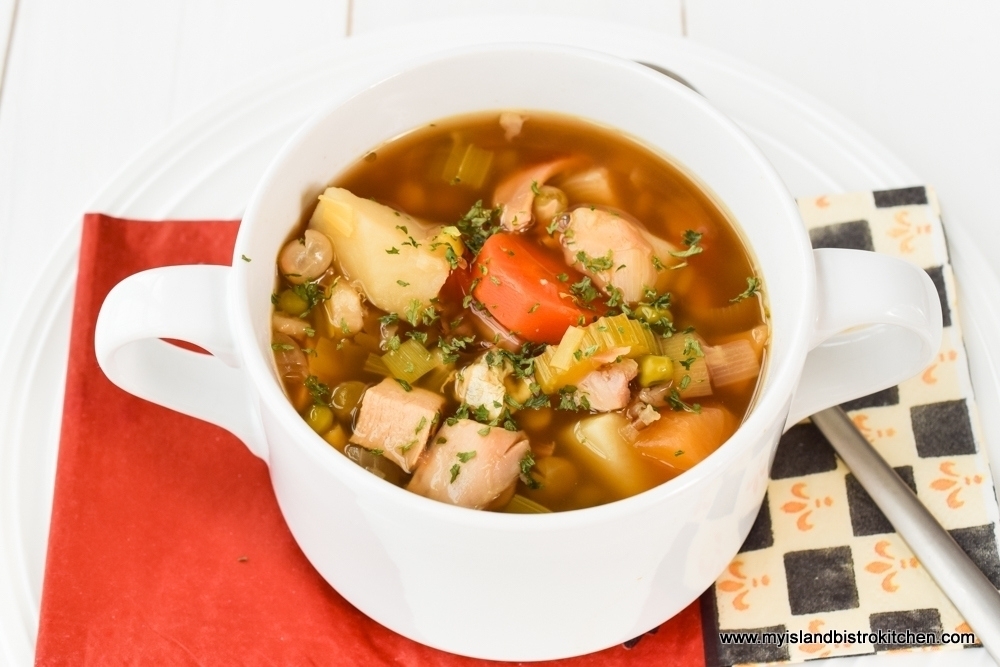
I recommend a careful reading of my recipe for this soup before beginning to make it as there are some steps involved and probably a shopping trip, too. To begin, I typically use a dry soup mix comprised of beans, lentils, split peas, pearl barley, and white rice. I buy this bulk at my local bulk food store and this mix does require a bit of pre-soaking, cooking, and standing time before it is incorporated into the soup pot. Otherwise the contents of the mix will not cook in the amount of time it takes to cook the remaining ingredients of the soup. So, time will need to be allotted for that activity. While using this mix adds fibre and bulk to the soup, the soup may be made without it and several photos in this posting show soup made without the dry soup mix. If making the soup minus the dry soup mix, simply increase slightly the quantity/amount of fresh and/or frozen vegetables called for in the recipe so that the soup is filled with goodness and is not too runny.
For this Turkey Vegetable Soup, I am not starting out with the traditional pure mirepoix because that requires that the aromatic holy trinity of carrots, celery, and onion be chopped really fine. In this soup, I want those ingredients to be left larger, in bite-size chunks. However, I do sauté them, along with the parsnip and leek for 2-3 minutes to start the release of their flavours along with the garlic.
Homemade Turkey Vegetable Soup
Because I use my own homemade stock which already has some seasonings added, I don’t add huge amounts of seasonings to the soup and this is one soup that I do not like overly spiced or seasoned. One flavour booster I have found that works really well in this Turkey Vegetable Soup is dry onion soup mix so I add a couple of tablespoons along with small amounts of thyme, summer savory, turmeric, paprika, ground coriander, cloves, and nutmeg and, of course, the standard bay leaves. As always, I recommend, when making a recipe for the first time, to make it with the ingredients and amounts called for by the recipe creator. If, after you have tried it as it has been developed, you find it needs more or less of a seasoning to suit your personal taste, the adjustments can be noted and made in the next batch.
Homemade Turkey Vegetable Soup
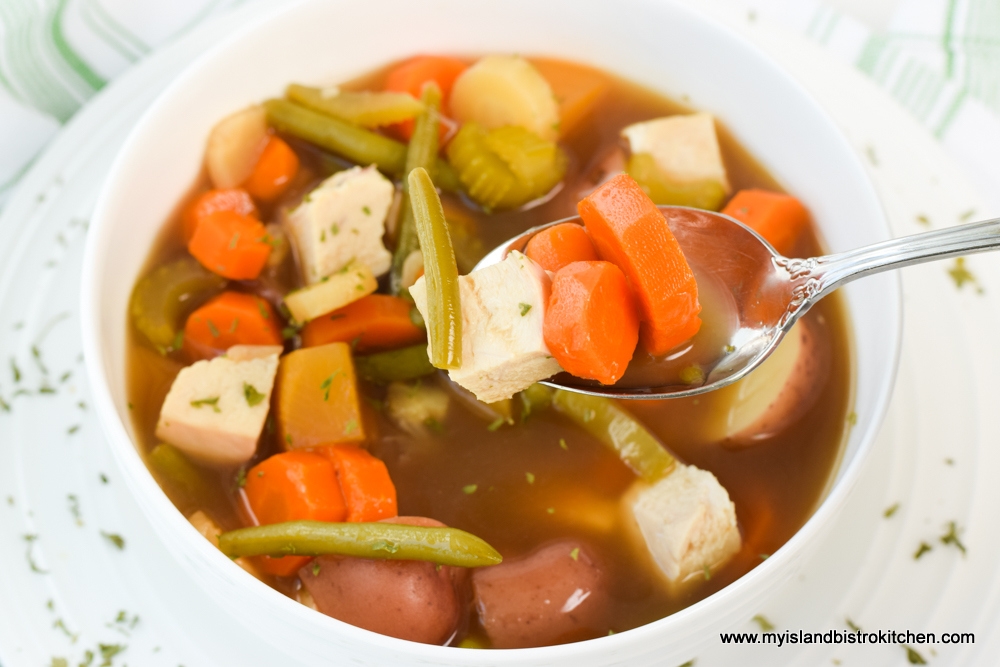
I like rutabaga so add a fair bit of it to the soup. It adds both substance and some sweetness to the soup. Sometimes, I will make this soup with peeled cubed potatoes (seen in photo above) and, other times, I will make it a little more rustic, using the mini red potatoes with their skins on (as shown in photo below). Either works.
Turkey Vegetable Soup
Nearer the end of the cooking process, add 1 1/2 cups of frozen vegetables. This can be either corn, peas, or mixed vegetables – any on their own or in any combination to make up 1 1/2 cups. I like the soup well filled! One nice thing about this kind of soup is that if you don’t like, for example, peas, then simply replace them with another vegetable you prefer.
The cooked turkey may either be cubed (as shown in photo above) or coarsely shredded (as seen in photo below) for this soup. Making turkey soup is a great way to use up light and/or dark meat left on the turkey. It only needs about 5 minutes in the soup for it to heat. Don’t re-cook the meat as it will become tough and it will lose its flavour.
In large saucepan, soak the dry soup mix in 3 cups of cold water for 2 hours. Bring to a boil, covered, over medium-high heat. Reduce heat to low and boil gently for 2 minutes. Remove from heat and let stand 1 hour. Drain.
In large stockpot, over medium heat, melt the butter then add the olive oil. Add the onions, carrots, parsnip, celery, and leek. Sauté for 2-3 minutes, stirring briskly. Add the garlic and, stirring constantly, cook for 1 minute longer.
Add the turkey stock, cover, and bring just to the boiling point but do not boil. Add the dry onion soup mix and spices along with the bay leaves. Add the rutabaga and drained soup mix of beans, lentils, peas, etc. Cook gently, partially covered, over medium-low heat for about 30 minutes. Season with salt and pepper to taste.
Add the potatoes and cook, partially covered, for about 10-12 minutes before adding the frozen vegetables. Cook for an additional 15-20 minutes, or until vegetables are cooked. Add the cooked turkey and simmer for 5 minutes or so, just until the turkey is heated. Season with salt and pepper to taste.
Remove bay leaves and ladle soup into bowls. Soup freezes well.
Yield: Approximately 18-20 servings (1¼ cup serving size)
You may also like this recipe for My Island Bistro Kitchen’s Homemade Turkey Chowder.
Homemade turkey stock, leftover turkey, and loads of vegetables combine with light seasoning to make a delicious and nutritious turkey vegetable soup.
Course
Soup
Cuisine
American
Keyword
Turkey Soup
Servings18
My Island Bistro KitchenMy Island Bistro Kitchen
Ingredients
1cupdry soup mix of beans(lentils, split peas, pearl barley, and white rice)
3cupscold water
3– 4 tbsp butter
1tbspolive oil
1cuponion,coarsely chopped
2cupscarrots(about 3 large), cut into bite-sized chunks
1½cupsparsnip(about 2 large), cut into bite-sized pieces
1cupcelery(1 large celery rib), sliced
1leek,white and green parts only, sliced
5-6clovesof garlic,minced
12cupsturkey stock
2tbspdry onion soup mix
1tspdried summer savory
¾tspdried thyme
¼tspturmeric
¼tsppaprika
1/8tspground coriander
1/8tspcloves
1/8tspnutmeg
2bay leaves
1¾cupsrutabaga,cut into bite-sized chunks
1lbmini red potatoesunpeeled, halved or quartered depending on their size or, alternatively, 2 cups peeled potatoes, cubed
1½cupsfrozen vegetables(peas, corn, or mixed vegetables)
3 - 4cupscooked turkey meat,cubed or coarsely shredded
Salt and pepper,to taste
Instructions
In large saucepan, soak the dry soup mix in 3 cups of cold water for 2 hours. Bring to a boil, covered, over medium-high heat. Reduce heat to low and boil gently for 2 minutes. Remove from heat and let stand 1 hour. Drain.
In large stockpot, over medium heat, melt the butter then add the olive oil. Add the onions, carrots, parsnip, celery, and leek. Sauté for 2-3 minutes, stirring briskly. Add the garlic and, stirring constantly, cook for 1 minute longer.
Add the turkey stock, cover, and bring just to the boiling point but do not boil. Add the dry onion soup mix and spices along with the bay leaves. Add the rutabaga and drained soup mix of beans, lentils, peas, etc. Cook gently, partially covered, over medium-low heat for about 30 minutes. Season with salt and pepper to taste.
Add the potatoes and cook, partially covered, for about 10-12 minutes before adding the frozen vegetables. Cook for an additional 15-20 minutes, or until vegetables are cooked. Add the cooked turkey and simmer for 5 minutes or so, just until the turkey is heated.
Remove bay leaves and ladle soup into bowls. Soup freezes well.
Recipe Notes
Yield: Approximately 18-20 servings (1¼ cup serving size)
[Copyright My Island Bistro Kitchen]
If you have made this recipe and enjoyed it and/or wish to share it with your friends and family, please do so on social media but be sure to share the direct link to this posting from my website.
Connect with My Island Bistro Kitchen on Social Media
Follow “the Bistro” on Pinterest at https://www.pinterest.ca/peibistro/ and pin the Pinterest-ready photos found at the end of this post to your favorite Pinterest boards.
Pin Me To Pinterest!
Homemade Turkey Vegetable Soup
You may also enjoy these other soup and chowder recipes from My Island Bistro Kitchen:
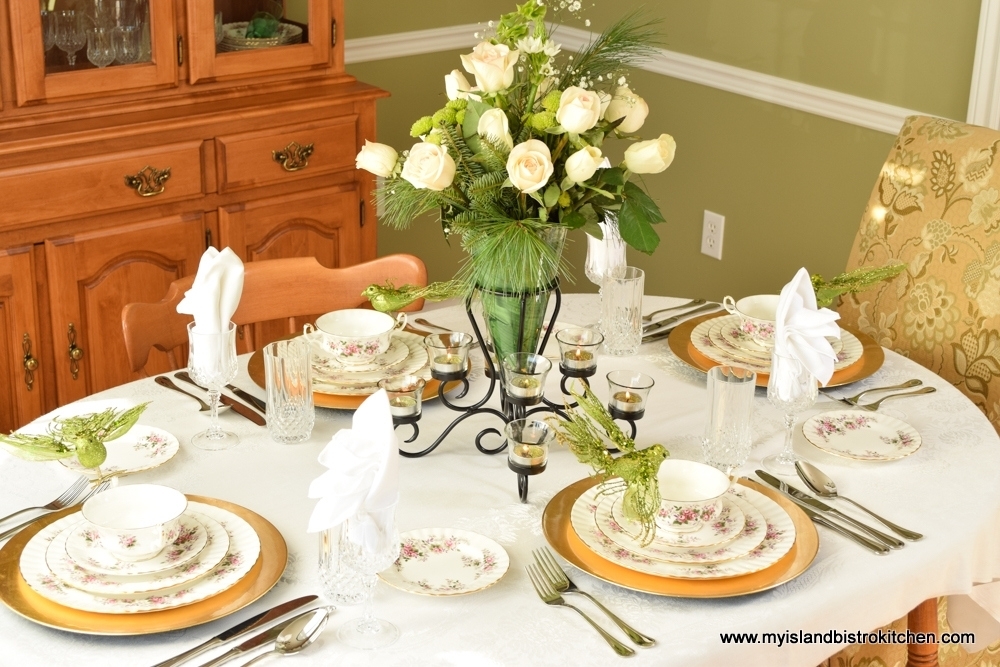
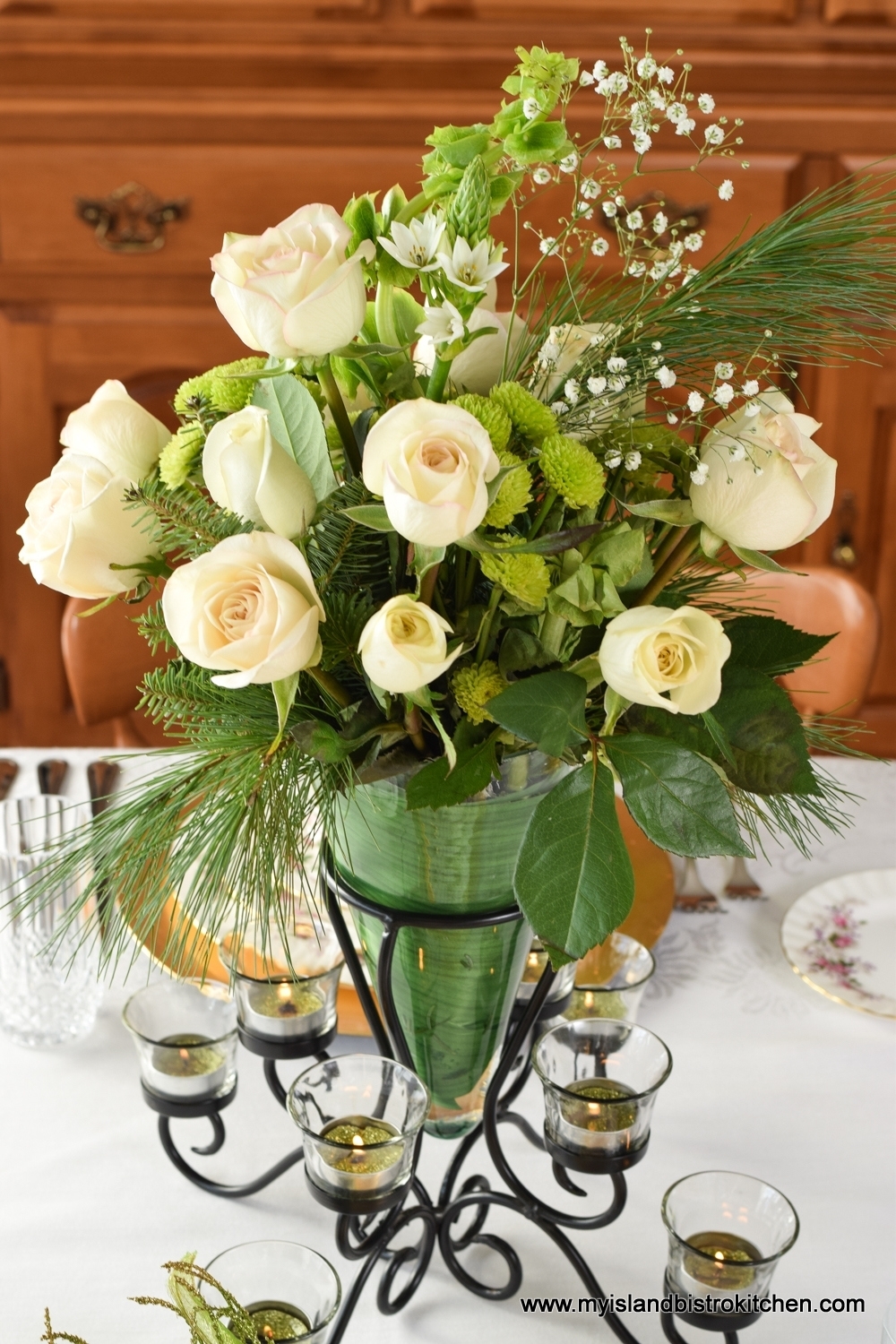
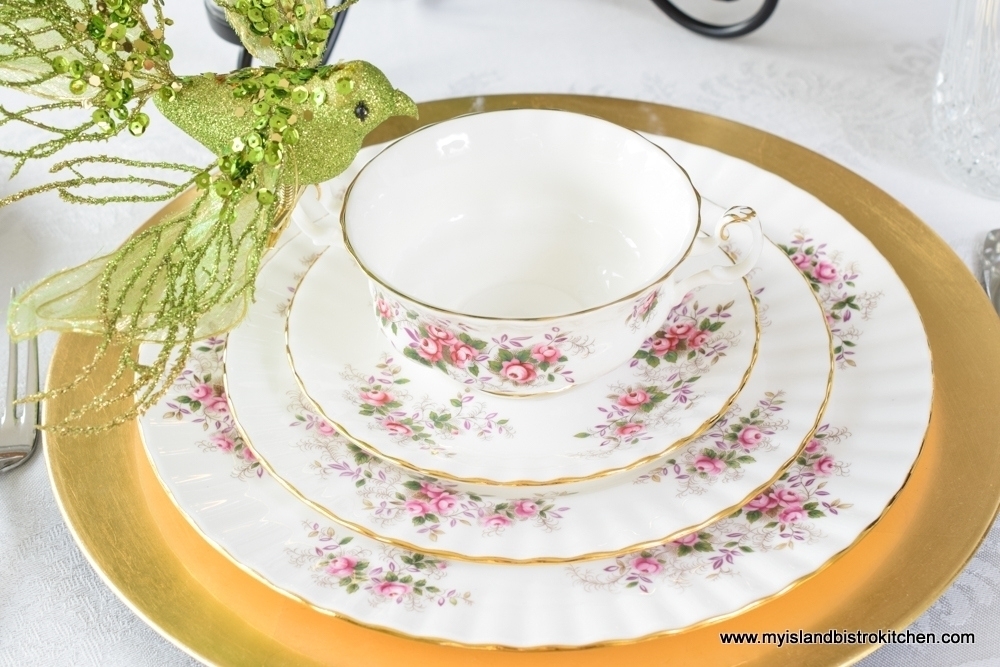
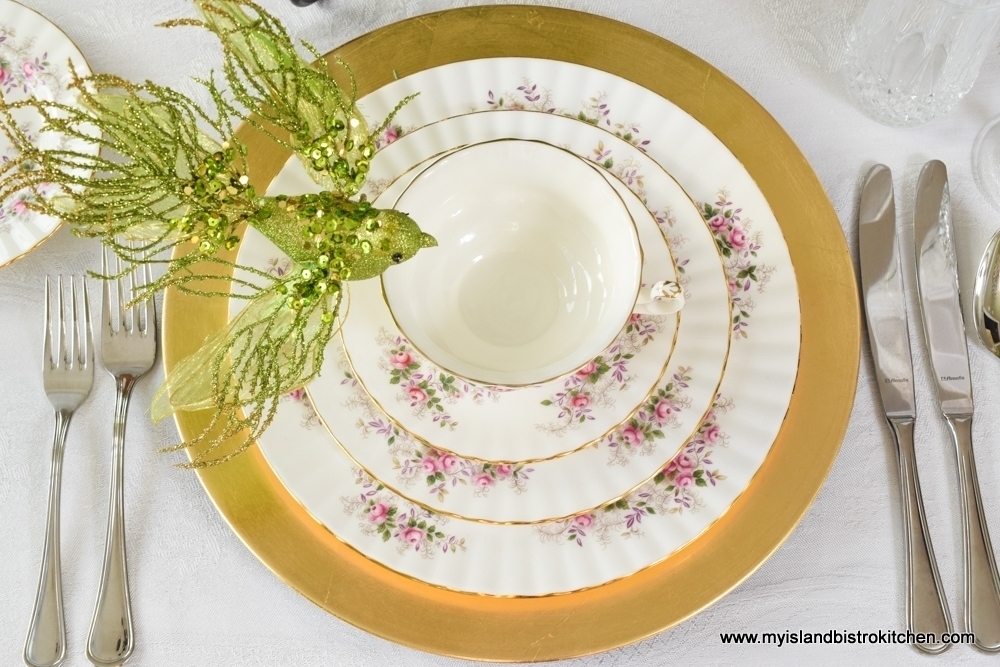
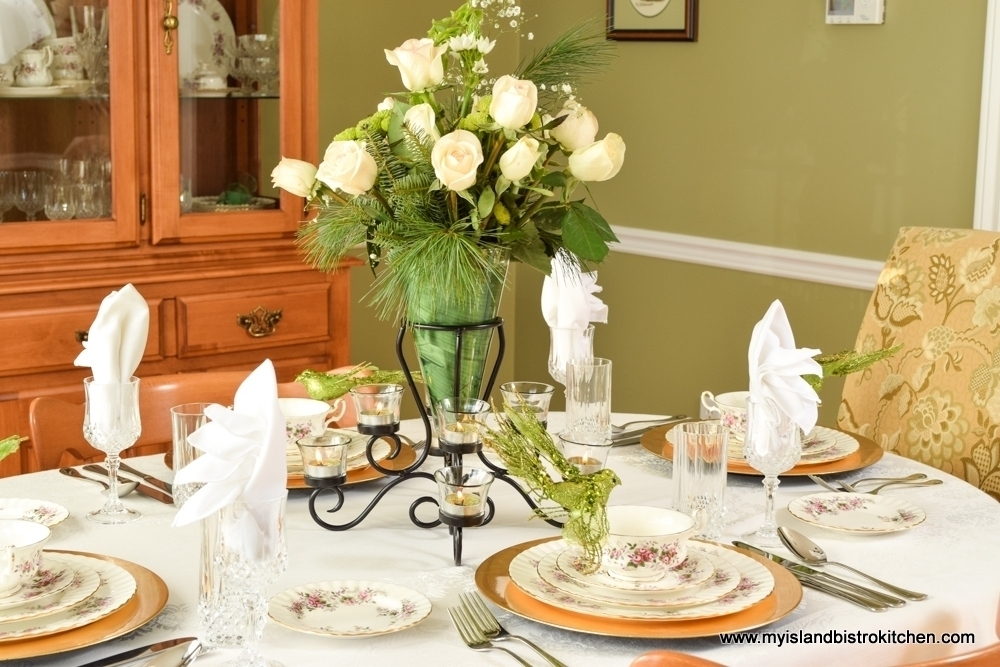
Christmas tablesettings are an opportunity to use the good china, if you have it, and to create stunning centerpieces. While I don’t always use fresh flowers in my tablescapes, I never underestimate the power and beauty of fresh and softly fragrant flowers. Sometimes, as is the case in this tablesetting, only the fresh flowers will effectively achieve the sophisticated tablesetting I wanted. Just make sure that whatever flowers are chosen, they are not potently fragrant as that can be offputting for some guests. Creating a beautiful holiday table is part of the equation but the other part is ensuring guests are comfortable for the meal.
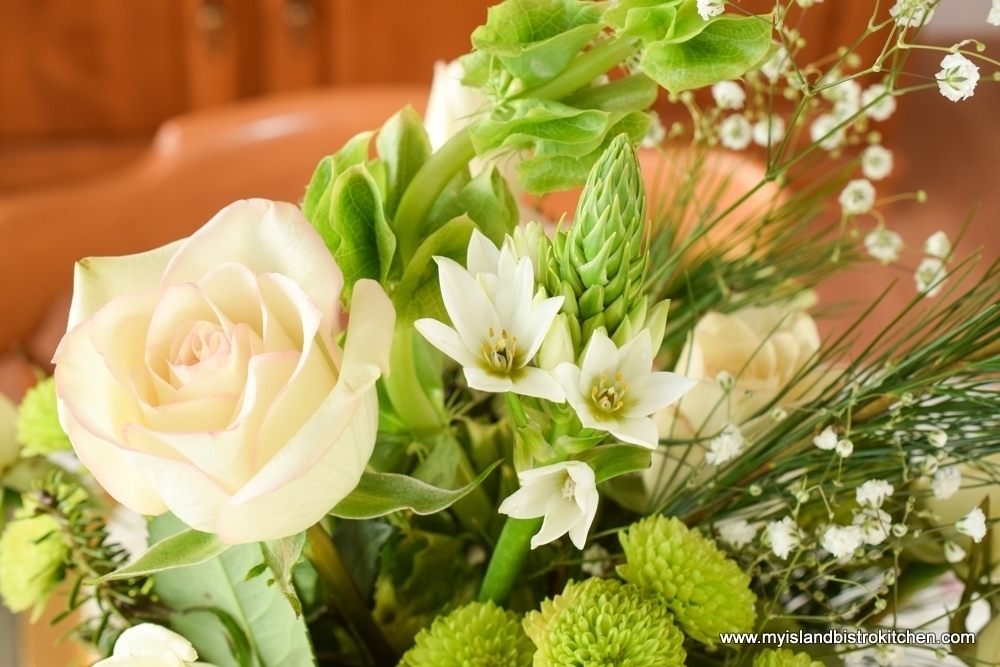
To keep the tablesetting neutral and restful, I recommend chosing a color scheme and limiting it to two to three colors that complement each other well. Otherwise, the table may start to look busy. In this tablesetting, I used the blush-colored roses and a couple of shades of green with white as the table’s background. This strategy allows the focal point of the table (the centerpiece) to stand out.
The Christmas Rose Tablesetting
This tablesetting has the overall effect of understated elegance with just a touch of whimsy and glitter. The table is uncluttered and the centerpiece, the anchor of this Christmas tablesetting, is the single tall and elegant triangular flute-shaped vase with eight votives attached. Keeping the tabletop uncluttered creates a stylish and sophisticated holiday tablesetting. It’s classy and creates a serene and restful looking tabletop for dinner guests.
Candles create an inviting atmosphere and give warmth to a tablesetting. Votives are great because they provide an elegant soft low light to the tablesetting and they are also relatively safe to use because they are low and won’t likely tip if the table is jerked accidentally by the knee of a guest. I find tall tapers to be a bit unnerving because they more easily can tip over because of their height. I rarely use them in tablesettings for this reason.
The principal flowers I have selected for the focal point centerpiece have meanings to Christmas and are steeped in legend. Whether or not any of these legends is true or not, I have no way of knowing but they do make for good conversation pieces.
The Christmas Rose Centerpiece
The Legend of the Christmas Rose
Legend has it that a young shepherdess named Madelon, was tending her flock on the hillside as she watched the wise men and shepherds passing by with their gifts to present to the newborn King. Madelon, in tears and despairing that she had no gift to offer to the Baby Jesus, was seen by an angel who is believed to have made the snow at Madelon’s feet disappear, revealing a rose with pink-tipped petals. According to the legend, these petals were formed by the angel from the tears shed by Madelon. This flower then offered Madelon the opportunity to present a gift at the manger. The flower became known as the Christmas Rose.
The Christmas Rose
So, I have used a dozen soft blush-colored roses with pink-tipped petals as the main flowers in this centerpiece.
The Christmas Rose
Legend of Star of Bethlehem Flower
This is an all-white star-shaped flower. Legend suggests God thought that the beautiful Star of Bethlehem he created to guide the wise men to the Baby Jesus was too beautiful, after it served its purpose, not to do something more with. So, the star was burst into pieces and, when it scattered to the ground, it turned into white flowers that became known as the Star of Bethlehem flower.
I have included a single Star of Bethlehem stem in the center of this arrangement.
Star of Bethlehem Flower
Other Components of the Floral Arrangement
To complement the pale blush color of the centerpiece, I have added the green bell-shaped Bells of Ireland and small green chrysanthemums. The Bells of Ireland are said to symbolize good luck and the chrysanthemums represent happiness, love, longevity, and joy.
The greenery in the arrangement is comprised of fir and pine.
Bells of Ireland and Green Chrysanthemums
The tiny white frothy Baby’s Breath (seen to the right in the photo below) has much symbolism. One of its symbols is said to represent the power of the Holy Spirit in the Christian faith. Baby’s Breath is a great filler flower for arrangements and I think it looks like little snowdrops.
The Christmas Rose with Baby’s Breath, Star of Bethlehem, and Green Chrysanthemum
Dinnerware
I am using my Royal Albert “Lavender Rose” china in this setting and have framed each place setting with a gold charger plate. I am a big fan of using charger plates for a couple of reasons. First, I think it gives an air of elegance and formality to the setting and, second, it keeps each placesetting clean. If food should happen to drop off of a plate, it is caught by the charger plate and means fewer stains on the table linen. Different colored chargers can also change the look of a tablesetting, particularly if the same dinnerware is frequently used for events with the same guests attending.
Royal Albert “Lavender Rose” China
The placesettings are set with the components of the dinnerware that will be used in the order of the menu, starting with a cream soup, followed by the salad course and, of course, the main meal. This also gives guests a clue as to how many courses to expect at dinner.
Royal Albert “Lavender Rose” China
To tie in the green color from the floral arrangement, and to add a bit of whimsy and interest to the setting, I am using these glittery clip-on birds. They add a festive air and interest to the table.
Clip-on Bird
Table Linens and Napkin Fold
When I am using patterned dinnerware, as I am in this setting, I like to use a plain tablecloth — usually white — because it gives me a blank canvas from which to work and display elements of the setting. The tablecloth is a vintage Irish linen cloth.
The napkin fold I am using is a fold that is known by a couple of names: 1) the Bird of Paradise; and 2) the Sailboat fold. I will often set this fold on a plate but, for this setting, I am placing it inside the stemmed wine glasses because it replicates the triangular shape of the vase and its floral arrangement. When the floral arrangement is tall, I like to use some height at each placesetting so there is not such a visual drop in depth from the centerpiece to each placesetting. Placing this fold in the stemware glass graduates the height of elements of the tablesetting.
The Bird of Paradise/Sailboat Napkin Fold
Glassware
I have chosen to use matching glassware in this setting as it gives a more formal look. Using glassware that has lots of cuts will add sparkle to any table.
The Bird of Paradise/Sailboat Napkin Fold
A tasty meal is made all the more wonderful when dinner guests are presented with a beautifully set table. No matter what is on the menu, a thoughtfully set table adds a little extra holiday flair to a dinner party.
The Christmas Rose Holiday Tablesetting
To view other holiday tablesettings from My Island Bistro Kitchen, click on the links below:
Sticky Date Pudding (aka Sticky Toffee Pudding) has a British origin and is often served as the Christmas pudding. This pudding is basically a dense, but tender, sponge cake made with cooked dates. It’s really nothing more elaborate or complicated than that.
My version of this classic pudding starts with soaking the chopped dates in rum allowing them to absorb the flavour, then slowly simmering the dates in water to soften. The dates, the primary ingredient in the pudding, add sweetness and texture to the pudding without turning it into a heavy pudding. This pudding is subtly spiced with a blend of ginger, cinnamon, and cloves.
Sticky Date Pudding with Toffee Sauce
I like to make this pudding in small one-half cup size ramekins for a couple of reasons. First, I like the look of a small pudding on each plate and, second, this pudding freezes well and the ramekin-sized puddings are perfect for freezing individual servings.
Sticky Date Pudding
Sticky Date Pudding is most commonly served warm with a decadently rich toffee sauce made with butter, dark brown sugar, and whipping cream. I add a dash of rum to the sauce to deepen the flavour. Add a dollop of whipped cream or a scoop of vanilla or maple ice cream to really dress the pudding to the nines!
Sticky Date Pudding
[Printable recipe follows at end of posting]
My Island Bistro Kitchen’s Sticky Date Pudding with Toffee Sauce
Ingredients for Pudding:
7 oz (about 1 1/3 cups) pitted dates, coarsely chopped
¼ cup dark rum
1 cup water
1 1/8 tsp baking soda
¼ cup butter, softened at room temperature
1/3 cup granulated sugar
1/3 cup brown sugar, firmly packed
2 large eggs, room temperature
1 tsp grated orange rind
1½ tbsp pure maple syrup
1½ tsp vanilla
¾ cup butter (no substitutes)
1 1/3 cups dark brown sugar
¾ cup whipping cream (35% M.F.)
2 tbsp rum
2 tsp vanilla
Method for Pudding:
In saucepan, pour rum over dates. Let stand 20 minutes, stirring a couple of times. Add the cup of water and bring the dates, rum, and water to a boil over medium-high heat. Reduce heat to simmer and boil, uncovered, gently for approximately 5 minutes, stirring once or twice. Remove from heat and add the baking soda. Stir well. Let mixture stand, uncovered, for 20 minutes, stirring occasionally to loosely break up the dates.
Position oven rack in bottom third of oven and preheat oven to 350°F.
While date mixture is cooling, cream the butter and sugars together in bowl of stand mixer fitted with paddle attachment. Beat in the eggs, one at a time, beating well after each addition. Beat in the orange rind, maple syrup and vanilla.
Sift the dry ingredients together and incorporate into the creamed mixture just until they are completely blended. Stir in the date mixture.
Grease ten (10) ½-cup ramekins and place on rimmed baking sheet. Distribute the batter evenly between the ramekins, filling each no more than about 2/3 full. Smooth tops with knife. Bake for 25 minutes, or until pudding springs back to a light touch and a cake tester inserted into center of pudding comes out clean. Run tip of pare knife around each pudding to loosen any parts that may have stuck to ramekin. Turn puddings out on to individual serving plates. Serve warm with toffee sauce and, if desired, a dollop of whipped cream or a scoop of vanilla or maple ice cream.
Method for Toffee Sauce:
Melt butter in saucepan over medium heat. Add the sugar and stir until dissolved. Add the cream and reduce heat to simmer. Cook slowly, stirring occasionally, until sauce is slightly thick, about 6-8 minutes or so. Remove from heat and stir in the rum and vanilla. Serve warm over sticky date pudding. (Sauce will thicken as it starts to cool slightly).
Yield: 10 servings
NOTE 1: Pudding may also be baked in a greased (or parchment-lined) 9” baking pan for approximately 30-35 minutes or until cake tester inserted into center of pudding comes out clean and pudding springs back to a light touch. Cut into squares and serve warm with the warm toffee sauce.
NOTE 2: This pudding freezes well so can be made ahead of when needed. Simply thaw at room temperature and reheat pudding for a few seconds in microwave.
In saucepan, pour rum over dates. Let stand 20 minutes, stirring a couple of times. Add the cup of water and bring the dates, rum, and water to a boil over medium-high heat. Reduce heat to simmer and boil, uncovered, gently for approximately 5 minutes, stirring once or twice. Remove from heat and add the baking soda. Stir well. Let mixture stand, uncovered, for 20 minutes, stirring occasionally to loosely break up the dates.
Position oven rack in bottom third of oven and preheat oven to 350°F.
While date mixture is cooling, cream the butter and sugars together in bowl of stand mixer fitted with paddle attachment. Beat in the eggs, one at a time, beating well after each addition. Beat in the orange rind, maple syrup and vanilla.
Sift the dry ingredients together and incorporate into the creamed mixture just until they are completely blended. Stir in the date mixture.
Grease ten (10) ½-cup ramekins and place on rimmed baking sheet. Distribute the batter evenly between the ramekins, filling each no more than about 2/3 full. Smooth tops with knife. Bake for 25 minutes, or until pudding springs back to a light touch and a cake tester inserted into center of pudding comes out clean. Run tip of pare knife around each pudding to loosen any parts that may have stuck to ramekin. Turn puddings out on to individual serving plates. Serve warm with toffee sauce and, if desired, a dollop of whipped cream or a scoop of vanilla or maple ice cream.
Method for Toffee Sauce:
Melt butter in saucepan over medium heat. Add the sugar and stir until dissolved. Add the cream and reduce heat to simmer. Cook slowly, stirring occasionally, until sauce is slightly thick, about 6-8 minutes or so. Remove from heat and stir in the rum and vanilla. Serve warm over sticky date pudding. (Sauce will thicken as it starts to cool slightly).
Recipe Notes
Yield:10 servings NOTE 1: Pudding may also be baked in a greased (or parchment-lined) 9” baking pan for approximately 30-35 minutes or until cake tester inserted into center of pudding comes out clean and pudding springs back to a light touch. Cut into squares and serve warm with the warm toffee sauce. NOTE 2: This pudding freezes well so can be made ahead of when needed. Simply thaw at room temperature and reheat pudding for a few seconds in microwave.
[Copyright My Island Bistro Kitchen]
If you have made this recipe and enjoyed it and/or wish to share it with your friends and family, please do so on social media but be sure to share the direct link to this posting from my website.
Connect with My Island Bistro Kitchen on Social Media
The folklore of rum running during prohibition in Prince Edward Island (PEI) is the stuff of which legends and ballads are made. In PEI, so the stories go, locals would set sail in fishing boats, under the cover of darkness, and head out to sea to meet ships from St. Pierre and Miquelon carrying rum. The locals, known as rumrunners, would buy the rum and head back to Island shores with the smuggled contraband liquor. Continue reading The Rumrunners – Rum and Raisin Cookies→
As many bakers will know, vanilla has been creeping up in price and, since it’s a key flavoring in many baked goods, it’s hard to do without it. I recently priced a 120ml bottle of pure vanilla (storebrand) here in Charlottetown and it was $17.49 at time of writing. Yikes! 120ml is not quite one-half cup and there aren’t a lot of teaspoons in a half cup. I make my own vanilla which is actually quite easy and only takes two ingredients — vanilla beans and vodka. The vanilla extract is made using whole vanilla beans that steep for several weeks, or months, in at least 35% alcohol or more.
Vanilla Beans
What homemade vanilla does take is time. It takes at least one to two months for the flavour to steep from the vanilla beans placed in the vodka so you do need to plan ahead for your vanilla needs. Vanilla beans are not cheap either but, for the amount of vanilla that can be made I find, for me at least, it is the more economical way to go.
There are different varieties and grades of vanilla beans. I use the Madagascar Bourbon variety. Grade B beans, with their low moisture content, are generally considered the more suitable for extraction purposes. What beans you use, however, will largely depend on what is available in your area. Vanilla beans are usually found in the baking aisles of most large supermarkets or you can often find them at bulk and health food stores.
I use three split standard-sized vanilla beans per cup of vodka, four if the beans are somewhat smaller. More beans can be used to speed up the steeping process but, if you can wait, it’s more economical to go with fewer beans and steep them longer. Vodka is the preferred medium to use for the vanilla because it is considered to be a neutral agent with no defined strong flavour on its own. Some do use bourbon, rum, or brandy for the vanilla but, in my view, that is altering the true vanilla flavour and introducing another flavour altogether.
There is no need to buy a top-brand pricey vodka for the making of vanilla. I use a moderately priced vodka with 40% alc./vol.
To prepare the vanilla beans, use the flat back side of a pare knife and smooth out the vanilla beans, lengthwise.
Vanilla Beans
Then, with the tip of a sharp knife, slice the vanilla beans open, lengthwise, to reveal the vanilla seeds.
Vanilla Beans
At this point, you can scrape the vanilla seeds out and transfer them to the decanting bottle along with the vanilla pods or you can just leave the seeds in the pods.
Vanilla Bean Seeds
The seeds will come out of the pods anyway as the bottle is shaken and the seeds and pods steep. Place the vanilla bean pods and seeds in a sterilized bottle or jar. Add the vodka, ensuring the vanilla bean pods are submerged. You may cut the vanilla beans if they are taller than the amount of vodka in the bottle.
Making Homemade Vanilla
Cover tightly and shake the bottle well. Store in cool dark place for at least one month (and preferably two months or even longer). Shake the bottle once or twice a week during the steeping/ extraction process.
Apart from making vanilla for your own use, homemade vanilla makes a wonderful gift for the foodie on your gift list so the vanilla beans can be divided between the smaller sterilized gift-size bottles for the entire extraction/steeping process or the vanilla can be steeped in one large bottle and then later poured into smaller sterilized bottles, usually either 4oz or 8oz size. I usually make the vanilla in a large bottle because it does need to be shaken once or twice a week as it steeps and I find it easier to deal with one bottle than several.
Homemade Vanilla
Some don’t care for the specks of vanilla seeds left in the bottle so, if a clear, speck-free, vanilla is desired, filter it through a small k-cup coffee filter like the one shown in the funnel below.
Filtering Vanilla Extract
I do recommend keeping the vanilla bean pods in the bottle(s) even after the 1-2 month steeping period has ended because those beans continue to impart flavour and deeper color to the vanilla. I personally like to leave the seeds in the vanilla for the same reason. I also think the seeds make it more interesting and authentic looking If, in future, you have any vanilla bean pods left after you have used the seeds for other purposes, add those pods to the vanilla you have on hand. Additional vodka can be added to the bottle, as well, as the vanilla is used up. Continue to store the vanilla in a dark place at room temperature.
Homemade Vanilla
Making homemade vanilla extract is simple and easy to do. It also has the added benefit of allowing you to choose the quality of vanilla you want to make based on the kind and grade of vanilla beans you use. There are a lot of vanillas, and simulated vanillas, on the market but making your own allows you to control the quality and, depending on how much you use, it may be the more economical option. Plus, you will have the thrill of making your own vanilla and impressing those you choose to gift it to as well.
These old-fashioned butter tarts are actually both gluten free and lactose free. If you are not lactose intolerant, simply substitute regular butter and milk in the recipe.
Quite some time ago, I shared my traditional butter tart recipe. However, folks have been inquiring about a gluten-free recipe for the tarts so here it is. I won’t repeat my hints and tips for making butter tarts in this posting because the same ones hold true for the gluten-free version so I am directing readers to my original posting for butter tarts for this information.
Gluten-Free and Lactose-Free Butter Tarts
I don’t like a big glob of thick pastry in my butter tarts. As far as I am concerned, it is the gooey, sweet filling that is the star in these tarts. The pastry is involved just because it is the vessel to hold the filling. So, I use a thin rolled pastry and fit the pastry neatly and tidily into the muffin tin cups.
The pastry, nonetheless, still has to be tender and flaky because it is half the equation in these Canadian culinary delicacies. The gluten-free pastry recipe is the one that I developed and perfected first for my gluten-free apple pie, originally published to my website on January 11, 2018. It is now my go-to pastry recipe since it is perfectly tender and flaky and works well with sweet and savory pies as well as tarts.
As with my traditional butter tarts, you will find that the filling is slightly gooey but not too runny. I don’t care for tarts that, as soon as you bite into them, the filling pours out. The reason why I like a semi-solid filling is that I believe butter tarts should be able to be picked up off a plate and eaten by hand with no need for a plate and fork to catch a runny filling. This, of course, is purely a personal preference.
Gluten-Free and Lactose-Free Butter Tarts
[Printable recipe follows at end of posting]
Gluten-Free Lactose-Free Butter Tarts
Ingredients:
For Pastry:
2 cups (276g) gluten-free 1-to-1 flour
½ tsp salt
1½ tsp sugar
¼ cup cold lactose-free butter (76g)
¼ cup cold lard (76g)
1 large egg
1 tsp white vinegar
Enough water to make 2/3 cup liquid
For Filling:
½ cup light brown sugar, firmly packed
¼ cup dark brown sugar, firmly packed
2 extra-large eggs, light beaten
3 tbsp pure maple syrup
¼ cup melted lactose-free butter (no substitutes)
2 tbsp lactose-free milk (2%MF or 3%MF)
1½ tsp pure vanilla
1 tsp white vinegar
Dash salt
Method:
For Pastry: Lightly grease 12 muffin cups. In medium-sized bowl, whisk the flour, salt, and sugar together. Cut the butter and lard into chunks and add to the flour. With a pastry cutter, cut the butter and lard into the flour until the fats resemble the size of large peas.
In a measuring cup, whisk the egg and vinegar together. Add enough cold water to measure 2/3 cup. Add the egg-vinegar-water mixture to the flour, small amounts at a time, and mix with a fork or hands. Add only enough water that the dough clings together and can be gathered into a ball (it may not take all the liquid).
Divide the dough in four pieces. Form disk shapes with each piece. Place disks in the refrigerator for about 10-15 minutes to chill. Remove one disk at a time from the refrigerator and break off chunks, about 2 oz in size, which should give ample for 4” circles to be cut for each tart. Place dough between two sheets of parchment paper (or wax paper) lightly dusted with flour. Roll pastry to desired thickness, generally between 1/16”and 1/8” thickness. Peel the top piece of parchment from the rolled out pastry. Cut out pastry circles with a floured 4” round cookie cutter.
Carefully transfer each cut out pastry circle to muffin tin cup. Fit the pastry into the cup, ensuring there are no air pockets between the pastry and the muffin cups. Repeat with chilled dough to make enough pastry circles for 12 tart shells, gathering up and re-rolling pastry scraps as necessary. Place pan of tart shells in freezer for about 12-15 minutes to chill to prevent shrinkage of pastry during baking.
For Filling: Preheat oven to 400°F. Add all ingredients, in order given, into a 4-cup measuring cup. Whisk or stir until ingredients are well blended. Remove the muffin cups from the freezer and pour filling equally into the 12 muffin cups. Bake at 400°F for 5 minutes then reduce temperature to 375°F and bake tarts for 17-19 minutes or until filling domes and appears set. Let tarts cool at least 30 minutes in muffin tins on cooling rack. Using the tip of a sharp knife, gently lift the tarts from the muffin cups.
These gluten-free (and lactose-free) melt-in-your-mouth pastries are filled with a delectable, slightly gooey, but not too runny, buttery rich caramel-like filling. A classic Canadian culinary delicacy.
Course
Dessert
Keyword
butter tarts
Servings11
My Island Bistro KitchenMy Island Bistro Kitchen
Ingredients
For Pastry:
2cupsgluten-free 1-to-1 flour(276g)
½tspsalt
1½tspsugar
¼cupcold lactose-free butter(76g)
¼cupcold lard(76g)
1large egg
1tspwhite vinegar
Enough water to make 2/3 cup liquid
For Filling:
½cuplight brown sugar,firmly packed
¼cupdark brown sugar,firmly packed
2extra-large eggs,light beaten
3tbsppure maple syrup
¼cupmelted lactose-free butter(no substitutes)
2tbsplactose-free milk(2%MF or 3%MF)
1½tsppure vanilla
1tspwhite vinegar
Dash salt
Instructions
For Pastry:
Lightly grease 12 muffin cups. In medium-sized bowl, whisk the flour, salt, and sugar together. Cut the butter and lard into chunks and add to the flour. With a pastry cutter, cut the butter and lard into the flour until the fats resemble the size of large peas.
In a measuring cup, whisk the egg and vinegar together. Add enough cold water to measure 2/3 cup. Add the egg-vinegar-water mixture to the flour, small amounts at a time, and mix with a fork or hands. Add only enough water that the dough clings together and can be gathered into a ball (it may not take all the liquid).
Divide the dough in four pieces. Form disk shapes with each piece. Place disks in the refrigerator for about 10-15 minutes to chill. Remove one disk at a time from the refrigerator and break off chunks, about 2 oz in size, which should give ample for 4” circles to be cut for each tart. Place dough between two sheets of parchment paper (or wax paper) lightly dusted with flour. Roll pastry to desired thickness, generally between 1/16”and 1/8” thickness. Peel the top piece of parchment from the rolled out pastry. Cut out pastry circles with a floured 4” round cookie cutter.
Carefully transfer each cut out pastry circle to muffin tin cup. Fit the pastry into the cup, ensuring there are no air pockets between the pastry and the muffin cups. Repeat with chilled dough to make enough pastry circles for 12 tart shells, gathering up and re-rolling pastry scraps as necessary. Place pan of tart shells in freezer for about 12-15 minutes to chill to prevent shrinkage of pastry during baking.
For Filling:
Preheat oven to 400°F. Add all ingredients, in order given, into a 4-cup measuring cup. Whisk or stir until ingredients are well blended. Remove the muffin cups from the freezer and pour filling equally into the 12 muffin cups. Bake at 400°F for 5 minutes then reduce temperature to 375°F and bake tarts for 17-19 minutes or until filling domes and appears set. Let tarts cool at least 30 minutes in muffin tins on cooling rack. Using the tip of a sharp knife, gently lift the tarts from the muffin cups.
Recipe Notes
Copyright My Island Bistro Kitchen
If you have made this recipe and enjoyed it and/or wish to share it with your friends and family, please do so on social media but be sure to share the direct link to this posting from my website.
Connect with My Island Bistro Kitchen on Social Media
Nothing beats homemade soup! True comfort food – a bowl of hot soup, especially on a cool fall or cold winter day, warms the tummy and the soul. This Cream of Broccoli and Cheese Soup fits that bill nicely. Continue reading Classic Cream of Broccoli and Cheese Soup→
Undisputedly, a big roasted turkey is the traditional star of the Thanksgiving dinner in many North American homes. Playing the supporting roles, of course, are all the fixins’, including the variety of vegetables and gravy. This year, however, I am deviating from the norm and putting a new twist on Thanksgiving dinner, lightening it up and sizing it down for smaller households, while still staying true to some of the elements of what one would expect to be on the Thanksgiving dinner table. Here’s why I’ve shaken up the norm a bit.
Sizing Down and Lightening up the Thanksgiving Dinner
I sometimes hear people say they don’t want to cook a big turkey, or even a whole chicken, because perhaps they have a small household of only one, two, or three people and it’s just too much meat for them. And, then there is the large carcass to deal with – though I am a big proponent of using it to make great homemade stock (click here for my stock recipe). Others have indicated they don’t have a big roaster in which to roast a turkey and still some others say they don’t know how to roast a turkey to get it cooked properly. I have heard some say that, while they like a roast turkey dinner, it can be a heavy meal with rich gravy, heavily spiced stuffing, and so forth. Others may be on a restricted diet making it a challenge to, alternatively, dine out for Thanksgiving dinner. Whatever the reason, I have decided to create a Thanksgiving dinner menu suitable for the smaller household and those looking for lighter fare.
Now, it can be challenging to size everything down precisely to one or two servings and, to be frank, it’s not the most cost-effective or efficient approach to meal preparation for the smaller household. I learned that many years ago and that’s when I moved to batch cooking for the freezer which allows me to have much greater meal variety than would be the case if I was to spend time in the kitchen preparing unique daily meals for one or two. This menu, by the way, is also suitable for any autumnal dinner party and the recipes referenced are scalable to the number of servings required.
Baguette
Menu Inspiration
The inspiration for the menu was drawn primarily from seasonal foods, those that would be considered to be fall flavors. While varied from the traditional Thanksgiving dinner style, I aimed to still maintain elements of a typical Thanksgiving dinner. From the gourd family comes the butternut squash for the soup. From the garden come the fresh greens, vine-ripened tomatoes, beets, and carrots. From the fields of a local farmer, come the potatoes. From the cranberry bogs and high bush blueberry field come the cranberries and blueberries. And, from a local orchard and distillery come the apples and liqueur for the dessert. In lieu of turkey, I have opted to go with chicken breasts though turkey breasts could certainly be used. The chicken breasts are smaller to roast and plate quite attractively. The steamed mussels for an appetizer have been included because, well, it’s PEI and we love our mussels any time of the year!
The table is set – it’s time to enjoy Thanksgiving dinner!
Thanksgiving Dinner Placesetting
The Menu
Food is meant to be enjoyed and savored, not hurriedly consumed. This menu and its serving style aim for that objective.
Appetizers
Island Blue Mussels steamed in Upstreet’s “Rhuby Social” beer
Savory Mushroom and Quinoa Crostini
Soup
Roasted Butternut Squash Soup
Served with a toasted baguette slice topped with cheese, bacon, and chives
Salad
Mix of Garden Greens with Vine-ripened Mini Tomatoes and Button Mushrooms
Dressed with Raspberry Vinaigrette and served from the salad urn, tableside
Main
Roasted Chicken Breast with a dry rub of spices
Served over Sausage Bread Dressing
Accompaniments
Petite Roasted Potato Stacks
Thinly sliced potato tossed with melted butter, herbs, and cheese then roasted
Roasted Beets and Carrots
Cranberry Blueberry Sauce
Dessert
Apple-Maple Bread Pudding with Maple Sauce
Wine Pairing
Clean Slate 2016 Riesling (Germany)
The Appetizers
It’s almost bordering on the sacrilegious if either (or both) steamed mussels and oysters are not on the menu for a gathering here in PEI! Yes, we love our seafood! I’ve chosen Island Blue Mussels steamed in Upstreet’s “Rhuby Social” beer (recipe here). Steaming mussels in beer lends a wonderful flavor to the mussels. Easy and quick to prepare, these mussels are a great start to a wonderful meal.
PEI Mussels Steamed in Rhuby Social Beer from Upstreet Craft Brewing
The second appetizer I’ve chosen is the Savory Mushroom and Quinoa Crostini (recipe here). These little morsels are ever-so-tasty. This recipe is easy to reduce or increase in size, depending on the number of guests and either wheat-based or gluten-free baguettes can be used.
Savory Mushroom and Quinoa Crostini
The Soup
Our Thanksgiving dinner this year starts with Roasted Butternut Squash Soup, a stunning golden yellow soup that is smooth and luxurious and filled with the warm flavors of fall (click here for recipe). This soup is a great way to kick off an autumnal dinner. My recipe for this soup makes 8-10 servings so, if making the soup specifically for Thanksgiving dinner in a small household, the remainder can be frozen for later enjoyment. Alternatively, the soup can be made in advance of Thanksgiving, frozen, and then the number of servings needed thawed and reheated for the dinner. I love when I can do prep work for dinners days ahead as it relieves some of the work and stress on the day of the dinner.
Classic Roasted Butternut Squash Soup
Serving the soup at the table from a soup tureen adds a lovely touch to a special meal or dinner party.
Classic Butternut Squash Soup
The soup tureen can also serve as a table centerpiece for the soup course.
Roasted Butternut Squash Soup
The Salad
Our garden did fabulously this year. We grow a grand selection of lettuce that usually takes us well into the fall, sometimes until late October. Our one tomato plant with mini tomatoes has literally produced hundreds of tiny orange tomatoes this year. It was a very prolific producer and we have been blessed to have its produce right through to Thanksgiving, even if it meant blanketing it down on frost nights in order to keep it producing.
Salad Urn
My salad bowl is a small ceramic urn-shaped planter which also serves as the table centerpiece for the salad course. It’s a great conversation piece and it elevates the status of the salad! When using a unique vessel, like this urn, for the salad ingredients to be assembled at the table, opt for few ingredients that can easily be divided between plates. It’s not always necessary to have a multitude of ingredients in a salad, particularly if it is a starter to a meal. In this salad, all I’ve used is a selection of lettuce, tiny tomatoes, and button mushrooms served with a simple raspberry vinaigrette. I like vinaigrettes because they allow the flavour of the vegetables to shine through as they are not masked by a heavy cream dressing.
Edible Salad Centrepiece
Chicken Breasts
Chicken breasts sometimes get a bad rap for being dry. I think this is because they have not been properly prepared and cooked. I always brine my chicken breasts – it makes such a huge difference in both flavor and texture and no more dried out, stringy chicken. All I do is place the chicken breasts in a salt brine for 1½ – 2 hours, rinse them off, then pat them dry with paper towel followed by a light brushing of some olive oil and a sprinkle of selected dry spices. Then, into my convection oven set at 400°F they go just until they test done on my trusty meat thermometer. The high heat locks in the juices and cooks the chicken fast so it does not get a chance to dry out. The result is perfectly cooked and juicy chicken …. every time. The great thing about boneless skinless chicken breasts is it’s all meat and no waste and they slice beautifully for plating, sandwiches, etc.
Sliced Roasted Chicken Breast
The Dressing
For my Thanksgiving dinner, I have plated the sliced chicken over sausage bread dressing – recipe here. This is not a heavily spiced dressing so it is in keeping with my “lighter” Thanksgiving dinner theme yet it still bows to the tradition of having stuffing/dressing as a side dish at dinner. In fact, I will often make this recipe and freeze it for later use when I am having some kind of chicken dish for a meal. So, this is also something that can be made ahead for this dinner and the dressing can be heated for just a few seconds in the microwave.
Sweet and Savory Sausage Bread Stuffing
The Potatoes
Because this meal is meant to be light, the traditional gravy is absent. This meant I needed to come up with a potato side dish that did not need gravy. These Roasted Potato Stacks (recipe here), are the perfect potato side dish. These are not difficult to make and, with the butter, garlic, herbs, and cheeses, these tasty morsels are simply divine. They bake perfectly in muffin cups and plate beautifully. They are best served fresh from the oven. However, they can be pre-made, roasted, and refrigerated for up to 24 hours then reheated for a few minutes in the oven. So, again, this is a menu item that can be made in advance of the dinner. While my published recipe makes eight potato stacks (serves four), the recipe is easily halved (or, alternatively, make the whole recipe and enjoy leftovers the following day).
Roasted Potato Stacks
The Roasted Vegetables
For my vegetable side dishes, I decided to go really local — all the way to our backyard garden! Beets and freshly dug carrots were roasted with herbs in the oven. I love roasted vegetables because their true flavors are evident and no nutrients or flavor are washed down the drain as can be the case with boiled vegetables. The beets were tossed with a spritz or two of raspberry balsamic vinegar and the same of orange juice. The key is not to add too much liquid to the roasted vegetables that would make them soupy or lose their roasted flavor. Both the vinegar and orange juice are just meant to be flavor enhancers so very little is needed.
Thanksgiving DInner
The Condiment
For the condiment, I’m serving my Cranberry Blueberry Sauce. This sauce is a beautiful deep burgundy-plum color and combines two complementary flavors. The tartness of the cranberries is enhanced by the sweetness of the high bush blueberries. Click here for my recipe.
Cranberry Blueberry Sauce
The Dessert
To bring one of the quintessential fall flavors into the menu, I am serving Apple-Maple Bread Pudding with Maple Sauce (recipe here). Both the pudding and the sauce freeze well for later use and both can be made ahead of the dinner, thawed, and reheated for dessert.
Apple-Maple Bread Pudding
The Wine Pairing
The wine I’ve paired with this meal is Clean Slate, a 2016 Riesling from Mosel, Germany, an affordable wine that appeals to a variety of tastes. When selecting the wine for this meal, I considered the menu items, both individually and collectively. Thanksgiving dinner plates tend to have a variety of foods with flavors that span the spectrum from sweet (Cranberry-Blueberry Sauce) to the moist and gently spiced (Sausage Bread Dressing) to the herbed and roasted (the vegetables) to the slight saltiness (brined chicken breast). With that variety, it can be a challenge to select one wine that will temper and balance all the flavors and cleanse and refresh the palate between bites so that the true flavors of each of the foods can be enjoyed.
A Riesling wine is a great choice because it has low alcohol content with lots of palate-refreshing acidity along with a slight touch of sweetness to balance and complement the variety of flavors.
Thanksgiving Dinner
So, whether you’re looking for inspiration for a Thanksgiving dinner with a lighter fare, one that is suitable for smaller households, or for an autumnal-themed dinner party, this menu is scalable to virtually any number, big or small. All recipes referenced can be found on My Island Bistro Kitchen’s website, a one-stop destination for recipes for a tasty fall dinner.
Living in a province known for its potato production, it’s almost inevitable that potatoes are served at many meals on PEI dinner tables. There are any number of ways this versatile veggie can be served and, later in this posting, you’ll find links to some of my favorite potato recipes.
Roasted Potato Stacks are my latest creation involving potatoes. They are very tasty and do plate quite attractively. They are also suitable for serving at buffets.
Roasted Potato Stacks
Because these potato stacks are free-standing when cooked and removed from the muffin cups, they need to be able to stand on their own when plated. The goal is also to see the individual slices of the potato. I recommend choosing potatoes that have a medium starch content, are semi-waxy, and have somewhat firm flesh such as Yukon Gold, or an all-purpose round white potato variety. These are the types of potatoes that will hold their shape after cooking and when plated and they can take the higher heat at which the stacks are roasted without falling apart or becoming mushy. Choosing potatoes that have good moisture content also helps to keep the roasted potato stacks moist. Potatoes high in starch and low in moisture don’t hold their shape as well and tend to break down easier than less starchy or waxy potatoes. For this reason, they are not as suitable for these Roasted Potato Stacks as are their semi-waxy cousins. Select potatoes, about 2” around, so that, when sliced very thinly, they will easily fit flatly in muffin tin cups.
Roasted Potato Stacks
The key to making these Roasted Potato Stacks is to have the potato slices very thin and uniformly sized. I have tested my recipe with three different thicknesses of potatoes – 1/16”, 3/16”, and 1/8” and my preference is 3/16” as the layers of individual potato slices in each stack are still intact and identifiable when fully roasted but they are not so thick as to cause issues getting them cooked.
Roasted Potato Stack
I recommend using a mandolin for quick and uniform slicing. I have a dandy hand-held mandolin that is slick and easy for this kind of work and it saves the set up of my larger mandolin or the trials, tribulations, and time to thinly slice the potatoes by hand.
Made with seasoned butter and a blend of cheeses, these delectable easy-to-make roasted potato stacks are a great side dish or appetizer.
Roasted Potato Stack
[Printable recipe follows at end of posting]
Roasted Potato Stacks
Ingredients:
2¼ lb potatoes, peeled, washed, and dried (e.g., Yukon Gold or all-purpose round white variety)
3 tbsp melted butter
1 tsp olive oil
1 tsp liquid chicken bouillon
1 tsp garlic salt
¾ tsp onion powder
2 tsp fresh lemon thyme, chopped
2 tsp fresh parsley, minced
Pinch nutmeg (optional)
½ – ¾ tsp fine sea salt
Freshly ground pepper
½ cup Parmesan cheese, finely grated
3 tbsp Cheddar Cheese, finely grated
1 tbsp whole milk or cream
Position oven rack in center of oven. Preheat oven to 375°F.
Butter eight (8) regular-sized non-stick muffin cups with butter. Set aside.
In small, microwave-safe bowl, melt the butter. Add the olive oil, liquid chicken bouillon, garlic salt, onion powder, thyme, parsley, nutmeg, salt, and pepper. Stir well to mix. Stir in the Parmesan and Cheddar cheeses along with the milk or cream.
Choose potatoes that are not overly starchy and that will hold their shape after cooking – e.g., Yukon Gold or an all-purpose round white variety. Select potatoes the size that, when sliced horizontally, the slices will easily fit flat into the muffin cups. Using a mandolin, slice potatoes horizontally into slices 3/16” thick. Place half the potato slices in large bowl. Add half the mixed butter, seasonings, and cheese ingredients. Using hands, toss the potatoes in the mixture until the slices are well coated. Add the remaining potato slices and butter mixture and continue mixing until the potato slices are coated with the mixture. Either create the stacks of potatoes in hands and place in buttered muffin cups or individually stack the potato slices directly in the muffin tin cups, stacking the slices as evenly as possible until they are about ¾ – 1” above the muffin cup rims. The stacks will shrink a bit during the roasting but building them a little higher than the muffin cup rim will ensure a good sized potato stack when cooked.
Roast the potato stacks for about 25 minutes, then sprinkle each stack with additional grated Parmesan cheese and a light sprinkle of paprika. Roast for 20 minutes longer, or until the tops of the potato stacks are golden and crispy, and a skewer or thin knife inserted in center of a stack indicates potatoes are tender and cooked through. Remove from oven and let rest for 5 minutes then carefully run the tip of a knife around the perimeter of each muffin cup to ensure the potato stacks are loose for easy removal. With the aid of a fork, or soup spoon, and the tip of the knife, carefully remove each potato stack and serve immediately sprinkled with additional finely-grated Parmesan cheese and fresh parsley.
Made with seasoned butter and a blend of cheeses, these easy-to-make roasted potato stacks are a great side dish or appetizer.
Course
Side Dish
Cuisine
American
Cook Time50minutes
Resting Time5minutes
Servings4
My Island Bistro KitchenMy Island Bistro Kitchen
Ingredients
2¼lbpotatoespeeled, washed, and dried (e.g., Yukon Gold or all-purpose round white variety)
3tbspmelted butter
1tspolive oil
1tspliquid chicken bouillon
1tspgarlic salt
¾tsponion powder
2tspfresh lemon thyme,chopped
2tspfresh parsley,minced
Pinchnutmeg(optional)
½ - ¾tspfine sea salt
Freshly ground pepper
½cupParmesan cheese,finely grated
3tbspCheddar cheesefinely grated
1tbspwhole milk or cream
3 - 4tbspfinely grated Parmesan cheese
Paprikafor sprinkling tops of stacks
Fresh thyme sprigs for garnish
Instructions
Position oven rack in center of oven. Preheat oven to 375°F.
Butter eight (8) regular-sized non-stick muffin cups with butter. Set aside.
In small, microwave-safe bowl, melt the butter. Add the olive oil, liquid chicken bouillon, garlic salt, onion powder, thyme, parsley, nutmeg, salt, and pepper. Stir well to mix. Stir in the Parmesan and Cheddar cheeses along with the milk or cream.
Choose potatoes that are not overly starchy and that will hold their shape after cooking – e.g., Yukon Gold or an all-purpose round white variety. Select potatoes the size that, when sliced horizontally, the slices will easily fit flat into the muffin cups. Using a mandolin, slice potatoes horizontally into slices 3/16” thick. Place half the potato slices in large bowl. Add half the mixed butter, seasonings, and cheese ingredients. Using hands, toss the potatoes in the mixture until the slices are well coated. Add the remaining potato slices and butter mixture and continue mixing until the potato slices are coated with the mixture. Either create the stacks of potatoes in hands and place in buttered muffin cups or individually stack the potato slices directly in the muffin tin cups, stacking the slices as evenly as possible until they are about ¾ - 1” above the muffin cup rims. The stacks will shrink a bit during the roasting but building them a little higher than the muffin cup rim will ensure a good sized potato stack when cooked.
Bake the potato stacks for about 25 minutes, then sprinkle each stack with additional grated Parmesan cheese and a light sprinkle of paprika. Bake for 20 minutes longer, or until the tops of the potato stacks are golden and crispy, and a skewer or thin knife inserted in center of a stack indicates potatoes are tender and cooked through. Remove from oven and let rest for 5 minutes then carefully run the tip of a knife around the perimeter of each muffin cup to ensure the potato stacks are loose for easy removal. With the aid of a fork, or soup spoon, and the tip of the knife, carefully remove each potato stack and serve immediately sprinkled with additional finely-grated Parmesan cheese and fresh parsley.
If you have made this recipe and enjoyed it and/or wish to share it with your friends and family, please do so on social media but be sure to share the direct link to this posting from my website.
Connect with My Island Bistro Kitchen on Social Media
Quite some time ago, I shared my standard “go-to” recipe for basic poultry stuffing/dressing. At the bottom of this posting, you will find the link to that recipe and an explanation for the difference (if you don’t already know) between stuffing and dressing.
In this Sweet and Savory Sausage Bread Stuffing recipe, I have jazzed up the stuffing by adding sausage meat to it. Dried cranberries can also be added so long as they have first been plumped in some warm rum (or warm chicken stock) for 10-15 minutes. Otherwise, the cranberries can be a bit hard and chewy in this stuffing. The cranberries are an optional ingredient but they do lend a pop of color and texture to the finished product. I sometimes, though not always, add them in. The sweetness in this stuffing comes from both the chopped apple and a bit of maple syrup which also adds to the moistness of the stuffing.
Sweet and Savory Sausage Bread Stuffing
What gives this stuffing its unique flavour is the kind of sausage used. My local butcher shop (KJL Meats in Charlottetown) is known for its creativity in making sausages. To get the best choice, it means an early visit on Saturday mornings when they have their best selection available. I have a couple of favorites I gravitate to for bread stuffing/dressing and they are sundried tomato or honey garlic sausages. Other flavours may, of course, also be used, according to personal taste preferences. I remove the sausage casing and break up the meat then lightly scramble fry it with the aromatics (onion and celery) for 3-4 minutes, or until the meat is no longer pink.
Here, in PEI, the seasoning of choice for many folks when it comes to poultry stuffing/dressing is the herb called summer savory and that’s what I use in my stuffing/dressing recipes. In my household, it would not be considered to be stuffing/dressing unless it is made with summer savory! Old traditions prevail!
Sweet and Savory Sausage Bread Stuffing
This recipe should yield approximately 4-5 cups of stuffing/dressing, depending on how dry/wet the potatoes are when cooked and the texture of the bread crumbs used. The recipe, however, is easily scalable so it can be doubled, tripled, halved, and so forth to meet the size of the chicken or turkey.
To make this recipe gluten free, simply substitute gluten-free bread crumbs in the same amount called for in this recipe and ensure that all other ingredients called for are also gluten free, including the sausage and liquid chicken bouillon. Some butchers, like KJL Meats, do make gluten-free sausages. I save all the crusts from gluten-free bread and then use my food processor to crumb them coarsely for use in stuffing and then freeze the crumbs in airtight freezer bags for use as needed.
Sweet and Savory Sausage Bread Stuffing
[Printable recipe follows at end of posting]
Sweet and Savory Sausage Bread Stuffing
Ingredients:
2-3 tbsp butter
2 tbsp finely chopped onion
2 tbsp finely chopped celery
4 oz honey garlic or sundried tomato sausage, casing removed
2 cups warm mashed potatoes (apx. 1 1/8 lb, uncooked)
1½ tsp summer savory
2 tsp liquid chicken bouillon
¼ cup dried cranberries, plumped in 2 tbsp warm rum or warm chicken stock (optional)
2 tbsp finely chopped apple
1 cup soft, coarse bread crumbs (apx. – see note below)
¼ cup melted butter
1 tbsp water
1 tbsp pure maple syrup
1 tbsp fresh parsley
1 tbsp chopped fresh chives
Salt and pepper, to taste
Method:
Melt butter in small frypan over medium heat. Add the onion and celery. Briskly stir the vegetables for 2-3 minutes. Break apart the sausage meat and add to the onion and celery. Scramble fry the sausage meat until no longer pink, about 3-4 minutes.
Place the warm mashed potatoes in a large bowl. Sprinkle with summer savory. Add the onion, celery, sausage, and chicken bouillon. Mix. Add the dried cranberries and chopped apple.
Mix in the bread crumbs along with the melted butter, water, maple syrup, parsley, and chives. Stir to combine. Season with salt and pepper to taste.
Loosely fill the body cavity of turkey or chicken with the stuffing. Roast turkey/chicken according to package directions for stuffed poultry and use a food thermometer to ensure that both the poultry and the stuffing have reached the safe minimum temperature.
Alternatively, make the stuffing into dressing by lightly pressing the mixture into one or two greased tinfoil-lined loaf pan(s). Cover with tin foil and bake in 350°F oven for apx. 15-20 minutes then remove tin foil and bake for 10-15 minutes longer, or until lightly browned on top. Let cool in pan(s) for at least 15 minutes then lift the tinfoil out of the loaf pan(s) and slice the dressing.
NOTE: Depending on how wet the variety of potatoes may be when cooked, additional bread crumbs may be needed to achieve the desired texture of the stuffing. Yield:Approximately 4-5 cups
This moist sweet and savory sausage bread stuffing is made with sausage meat, bread crumbs, summer savory, apple, cranberries and maple syrup. The perfect side dish to roast chicken or turkey dinners.
Course
Side Dish
Cuisine
American
My Island Bistro KitchenMy Island Bistro Kitchen
Ingredients
2-3tbspbutter
2tbspfinely chopped onion
2tbspfinely chopped celery
4ozhoney garlic or sundried tomato sausagecasing removed
2cupswarm mashed potatoesapx. 1 1/8 lb, uncooked
1½tspsummer savory
2tspliquid chicken bouillon
¼cupdried cranberriesplumped in 2 tbsp rum or warm chicken stock (optional)
2tbspfinely chopped apple
1cupsoftcoarse bread crumbs (apx. – see note below)
¼cupmelted butter
1tbspwater
1tbsppure maple syrup
1tbspfresh parsley
1tbspchopped fresh chives
Salt and pepperto taste
Instructions
Melt butter in small frypan over medium heat. Add the onion and celery. Briskly stir the vegetables for 2-3 minutes. Break apart the sausage meat and add to the onion and celery. Scramble fry the sausage meat until no longer pink, about 3-4 minutes.
Place the warm mashed potatoes in a large bowl. Sprinkle with summer savory. Add the onion, celery, sausage, and chicken bouillon. Mix. Add the dried cranberries and chopped apple.
Mix in the bread crumbs along with the melted butter, water, maple syrup, parsley, and chives. Stir to combine. Season with salt and pepper to taste.
Loosely fill the body cavity of turkey or chicken with the stuffing. Roast turkey/chicken according to package directions for stuffed poultry and use a food thermometer to ensure that both the poultry and the stuffing have reached the safe minimum temperature.
Alternatively, make the stuffing into dressing by lightly pressing the mixture into one or two greased tinfoil-lined loaf pan(s). Cover with tin foil and bake in 350°F oven for apx. 15-20 minutes then remove tin foil and bake for 10-15 minutes longer, or until lightly browned on top. Let cool in pan(s) for at least 15 minutes then lift the tinfoil out of the loaf pan(s) and slice the dressing.
Recipe Notes
Yield: Approximately 4-5 cups
NOTE 1: Depending on how wet the variety of potatoes may be when cooked, additional bread crumbs may be needed to achieve the desired texture of the stuffing.
NOTE 2: To make this recipe gluten free, simply substitute gluten-free bread crumbs in the same amount called for in this recipe and ensure that all other ingredients called for are also gluten free, including the sausage and liquid chicken bouillon.
If you have made this recipe and enjoyed it and/or wish to share it with your friends and family, please do so on social media but be sure to share the direct link to this posting from my website.
Connect with My Island Bistro Kitchen on Social Media
Follow “the Bistro” on Pinterest at https://www.pinterest.ca/peibistro/ and pin the Pinterest-ready photo found at the end of this post to your favorite Pinterest boards.
Combining the sweet and tart flavors of blueberries and cranberries makes for a delectable Cranberry Blueberry Sauce. Their flavors play well off of each other. Most will be familiar with the traditional cranberry sauce that, for many, has to be part of a roasted turkey or chicken dinner. Click here for my recipe for classic cranberry sauce. Continue reading Cranberry Blueberry Sauce→
Green Tomato Marmalade is not an altogether common variety of marmalade. It’s not a typical marmalade likely to be found on many, if any, supermarket shelves. That, in my view, makes Green Tomato Marmalade all the more special because it’s more unique and exclusive! That, plus the fact it can be used as either a sweet or savory spread, makes this marmalade a worthwhile addition to your preserve inventory. Continue reading Green Tomato Marmalade Recipe→
(Mostly) PEI and Maritime Food – Good Food for a Good Life!